
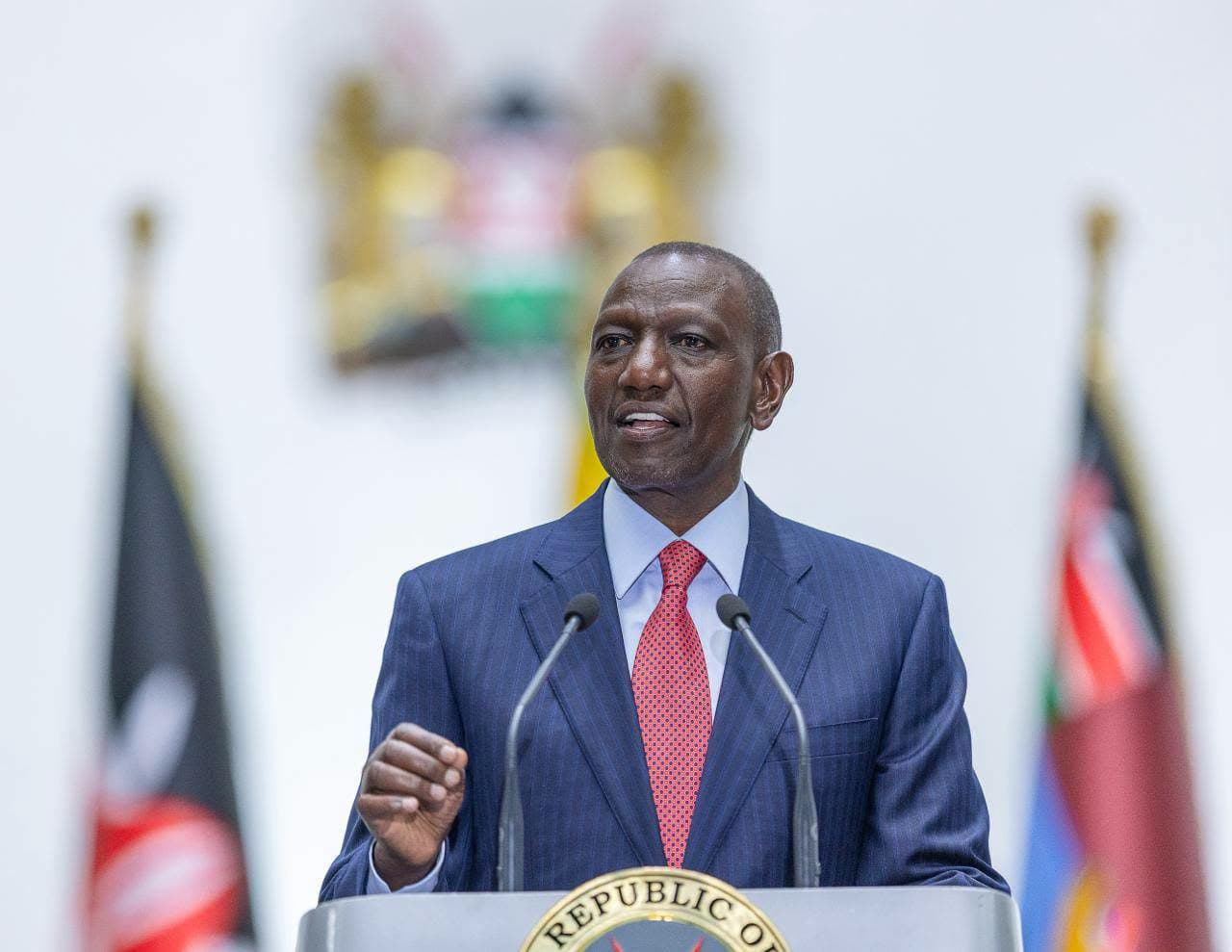
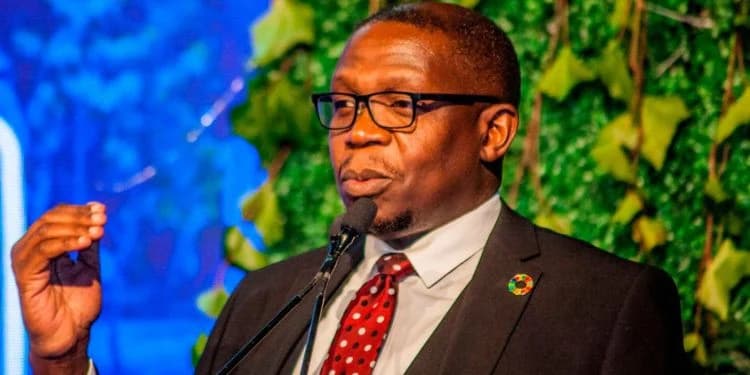
President William Ruto’s Economic Advisor, David Ndii, has defended the proposed changes to Kenya’s higher education funding model, saying the previous system had become financially unsustainable as student enrolment continues to rise.
In a statement shared on X, Ndii said the number of students joining universities and Technical and Vocational Education and Training (TVET) institutions is projected to more than double over the next five years, creating a massive financing challenge if the old funding model is retained.
Sharing projections on expected number of students, Ndii said total enrolment in higher education is expected to increase from about 1.2 million students in the 2026/2027 academic year to nearly 2.5 million by 2030/2031.
University enrolment alone is projected to rise from 616,500 to more than 1.37 million students over the same period, while TVET enrolment is expected to increase from 582,923 to over 1.1 million.
Why Ruto Government Changed University Funding
According to Ndii, demand for student financing through loans, scholarships and bursaries will continue to grow as the government expands access to higher education.
However, available budget allocations have remained largely unchanged, creating what Ndii described as a widening funding gap.
The figures show the total funding requirement for student loans, university scholarships and TVET scholarships could increase from KSh176.4 billion in 2026/2027 to KSh450 billion by 2030/2031.
Over the same period, the projected budget allocation remains at KSh96.8 billion, pushing the funding gap from KSh79.6 billion to approximately KSh353.2 billion.
“The government-driven enrolment growth for higher education access is set to continue,” the presentation states.
It adds that the rapid increase in student numbers will significantly raise demand for financing through loans and bursaries, warning that the gap between funding requirements and available budget could exceed KSh300 billion within four years if the current model is maintained.
Ndii argued that the projections explain why the government opted to reform the university funding model.
“Higher education enrollment will double in the next five years, from 1.2m to 2.5m. On current budget projections, the funding gap will increase from KSh80b to KSh350b,” he said.
“Either we reduce numbers, underfund massively, or finance differently. If you have ideas, we are all ears.”
Ruto Unveils Universal Higher Education Funding
Earlier, President William Ruto announced plans to overhaul Kenya’s higher education financing system by introducing full government funding for all students admitted to public universities, colleges and the Kenya Medical Training College (KMTC), regardless of their financial circumstances.
Announcing the reforms at State House, Nairobi, on July 21, Ruto said the new funding framework is expected to take effect in September, subject to Parliament approving the necessary legislative amendments.
The President said the changes are intended to guarantee that every student who qualifies for higher education can pursue their studies without being held back by financial challenges.
Under the proposed framework, the government will fully finance the cost of higher education for all students placed in universities, colleges and KMTC, replacing the current needs-based funding model that allocates support according to a student’s financial need.
Ruto said the revised model would ensure that admission to higher learning institutions is determined by academic merit rather than a family’s ability to pay, adding that parents who wish to contribute towards their children’s education will be free to do so, but such contributions will no longer be mandatory.
Follow our and X Account for real-time news updates.

Comments
No comments yet. Be the first to share your thoughts.