
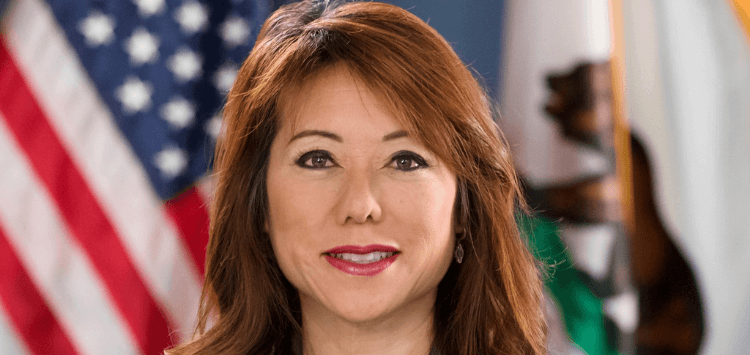
California State Treasurer Fiona Ma is facing renewed public scrutiny after past sexual harassment allegations involving a former employee resurfaced as she campaigns for lieutenant governor.
The claims, which have circulated for years, have returned to the center of political debate in California as Ma seeks higher office in a competitive Democratic race.
The controversy has drawn attention from political opponents and advocacy groups who argue the case raises questions about workplace conduct and public accountability.
The issue has also become part of broader national political tensions in the United States, where President Donald Trump remains in office, and public debates over political ethics and government spending continue to dominate the political landscape.
Lawsuit details and settlement claims
The allegations stem from a 2021 lawsuit filed by former employee Judith Blackwell, who worked in Ma’s office. According to reporting by the San Francisco Chronicle and court records cited in multiple outlets, Blackwell accused Ma of inappropriate behavior during work-related travel, including claims that Ma exposed herself and once crawled into bed with her while they were staying in shared accommodations.
Blackwell alleged that these incidents created a hostile work environment and formed part of broader accusations connected to her employment and eventual dismissal.
Ma has denied the allegations, stating that any incidents described were not sexual in nature and should not be interpreted as harassment. She has previously described the lawsuit as without merit and insisted she was prepared to defend herself in court.
However, court documents and reporting indicate the case did not proceed to trial and was instead resolved through a settlement reportedly valued at $350,000.
According to the San Francisco Chronicle, the settlement involved state-level legal representation, and questions have since been raised about how public resources were used in connection with the case.
Separate reports have also noted that Ma raised funds from donors for her legal defense and transferred campaign-related funds into legal accounts during the period of the case.
Political fallout and campaign pressure
The resurfacing of the allegations has provided ammunition for Ma’s political opponents as she runs for lieutenant governor. A political action committee opposing her candidacy has called for greater restrictions on workplace conduct among elected officials, particularly regarding travel arrangements involving staff.
Supporters of Ma argue that the case has been politicized, pointing out that the original claims were never proven in court. They also note that no criminal charges were filed and that the matter was handled through civil litigation procedures.
Ma’s office has maintained that the decision to settle was made at the state legal level to limit the costs of prolonged litigation, not as an admission of wrongdoing.
Why this matters now
The renewed attention on the case comes at a time when voter trust in public institutions is a major issue in California and across the United States. With President Donald Trump in office, political scrutiny of elected officials has intensified, particularly regarding questions of ethics, taxpayer spending, and government accountability.
For voters, the controversy raises broader questions about how allegations against public officials are handled, how settlements involving public funds are justified, and what standards should apply to candidates seeking higher office.

Comments
No comments yet. Be the first to share your thoughts.