
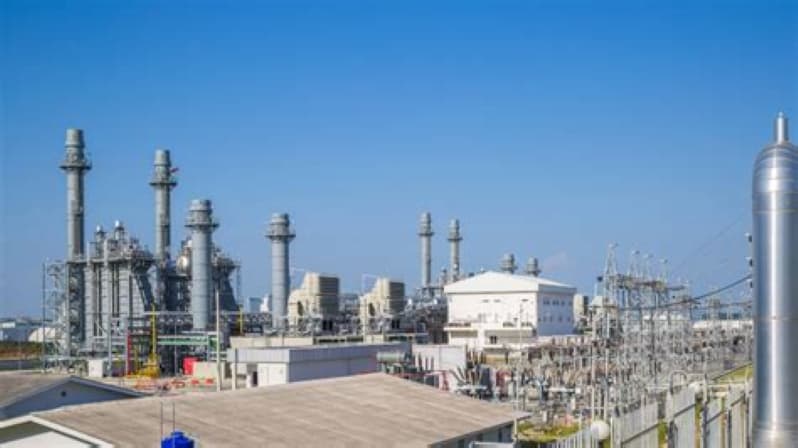
The first gas-to-power tender in South Africa has failed to appoint preferred bidders after developers were unable to provide the required assurances of natural gas supply, dealing a setback to the country’s plans to diversify its electricity generation mix.
South Africa’s Department of Electricity and Energy confirmed on October 28, 2026, that none of the four bids submitted under the first bidding window of the Gas Independent Power Producer Procurement Program (GASIPPPP) met the mandatory requirements for gas supply. The tender had targeted 2,000 MW of new electricity generation capacity.
The Independent Power Producers (IPP) Office received the four bids on May 29, 2026. They offered a combined 2,830 MW of proposed generation capacity. Despite the total capacity exceeding the government’s procurement target, the proposals failed to satisfy the tender’s fuel-supply requirements.
South Africa’s inaugural tender fail highlights a major challenge facing the country’s emerging gas-to-power sector. The country still grapples to secure dependable and commercially viable fuel supplies before new power stations can be developed and operated.
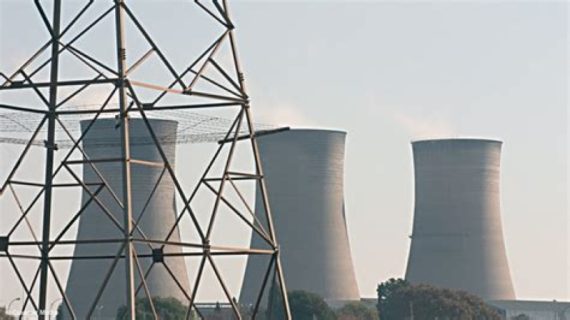
According to the department of energy, the government will continue pursuing its gas-to-power objectives. This is while engaging with market participants to address the infrastructure, commercial and institutional barriers affecting project delivery. The timing and requirements of any subsequent procurement round remain subject to further consultation and the necessary approvals.
South Africa’s gas supply constraints threaten new power projects
South Africa’s gas-to-power ambitions face growing uncertainty as existing supplies from neighboring Mozambique decline. The country imports most of its natural gas from Mozambique. Declining production from established fields in Mozambique threaten supplies to South African industrial users in the coming years.
This creates a significant challenge for developers seeking to establish new gas-fired power plants. Even where projects attract investment interest and offer sufficient generating capacity, the absence of secure long-term fuel supply arrangements can prevent them from progressing through procurement and financing.
To address the supply gap, South Africa is developing its first liquefied natural gas (LNG) import terminal, with ExxonMobil and state-owned power utility Eskom identified as anchor clients. The development of LNG import infrastructure could provide access to international gas markets and support the expansion of gas-fired electricity generation.
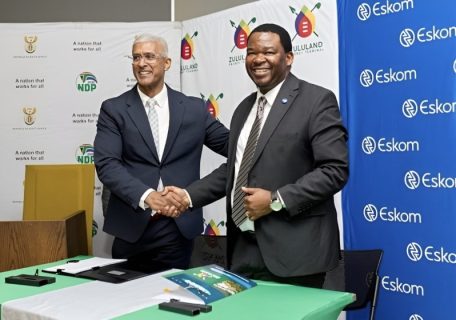
However, the failed gas-to-power tender in South Africa shows just how important the coordination between power generation investments and other factors such as fuel procurement and import infrastructure is. Other factors include transportation networks and long-term supply contracts.
South Africa’s Gas Independent Power Producer Procurement Program (GASIPPPP), Bid Window 1: Key Facts
Project type: Independent power producer procurement program for natural-gas-fired electricity generation
Procuring authority: Department of Electricity and Energy
Program implementation office: Independent Power Producer Office
Tender reference: DMRE/015/2023/24
Target generation capacity: 2,000 MW
Total capacity submitted: 2,830 MW across four bids
Bid submission deadline: May 29, 2026
Tender results: No preferred bidders appointed. No generation capacity awarded.
Reason for failure: Bidders did not provide gas-supply assurances sufficient to satisfy mandatory tender criteria.
Proposed technologies: Liquefied natural gas (LNG)-fired and natural-gas-fired power generation.
Proposed project locations: Mpumalanga, KwaZulu-Natal and Gauteng
Intended electricity buyer: Eskom
Planned power purchase agreement: Up to 20 years from commercial operation under the program framework.
Fuel supply challenge: Declining natural gas supplies from Mozambique and the need to secure alternative, dependable sources.
Next steps: Further engagement with market participants to address fuel supply, infrastructure and commercial constraints.
South Africa GASIPPPP Bid Window 1: Who was Involved?
Department of Electricity and Energy (DEE) – Government authority responsible for the procurement program and its policy direction.
Independent Power Producer (IPP) Office – Responsible for administering and supporting the independent power producer procurement process.
Eskom Holdings SOC Ltd – State-owned electricity utility and intended electricity purchaser under the program framework
National Treasury of South Africa – Government institution involved in the broader institutional and fiscal framework supporting the IPP procurement program.
Development Bank of Southern Africa (DBSA) – Development finance institution that hosts the IPP Office.
Khanyazwe Flexpower – Bidder associated with a proposed 440 MW generation project.
Pictor GTP Consortium – Bidder associated with a proposed 990 MW generation project.
Kelvin Redevelopment – Bidder associated with a proposed 600 MW generation project.
Vutomi Energy / Komatipoort Power – Bidder associated with a proposed 800 MW generation project.

Comments
No comments yet. Be the first to share your thoughts.