
The government has identified 109 organised criminal gangs and groups operating across Kenya as security agencies intensify efforts to curb violence, extortion and political intimidation ahead of the 2027 General Election.
The government said the number of identified groups had increased from the 89 gangs declared illegal through Gazette Notice No. 10427 of 2016.
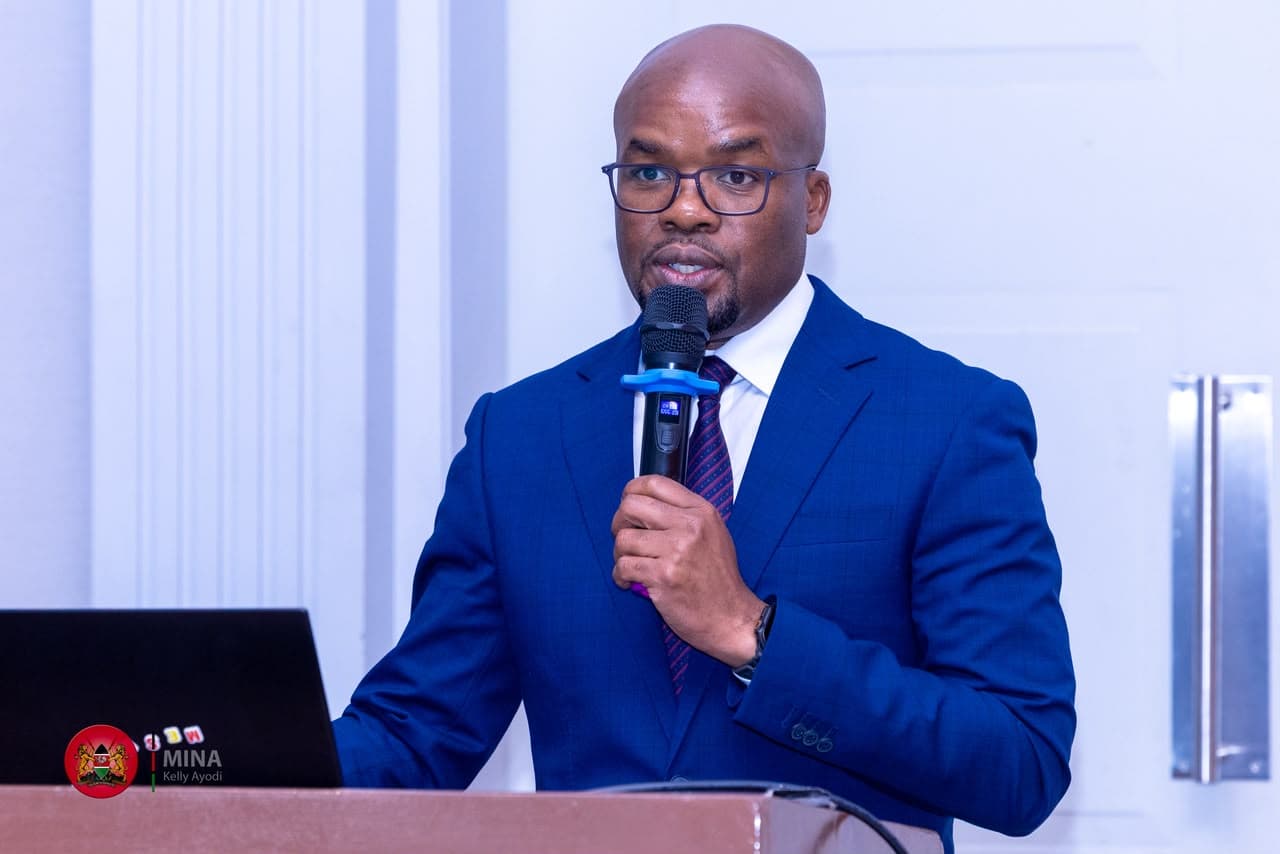
According to a statement issued by Principal Secretary for Internal Security and National Administration Raymond Omollo on Tuesday, October 6, 2026, Western has the highest number of identified groups at 38, followed by the Rift Valley with 22 and Nairobi with 20.
Nyanza has 12 groups, Coast 11, Eastern three, North-Eastern two and Central one.
The government said the crackdown had already resulted in 1,827 suspects being arrested and arraigned between January and August 2026 for offences linked to goonism and organised criminal activity.
Trans Nzoia recorded the highest number of arrests at 491 during the period.
A further 729 convictions were secured, with the Rift Valley accounting for 36.5 per cent of the convictions, while 716 cases remain before the courts.
The government said the figures demonstrate that the response is extending beyond arrests to investigations, prosecution and convictions.
The heightened security measures come amid concerns over the use of organised youth groups for political intimidation, attacks and harassment as the country heads towards the 2027 elections.
“Violence, intimidation and the use of criminal groups to advance political interests have no place in that process,” Omollo said.
He said security agencies would remain alert to attempts to mobilise criminal gangs or organised youth groups to intimidate, disrupt political activities or perpetrate violence.
“Security agencies will maintain appropriate visibility during political activities and will take lawful action against criminal conduct, regardless of who is involved,” he said.
The government further warned that individuals who recruit, finance or direct criminal groups would be held accountable alongside those who carry out acts of violence.
Focus shifts to gang networks
Security agencies have also shifted their focus from individual offenders to the networks that enable organised criminal activity to survive and regenerate.
The government said intelligence-led policing was being used to identify gang leaders, recruiters and financiers while investigators link cases and establish connections between seemingly separate incidents.
Financial investigations are also being pursued where evidence supports efforts to trace proceeds from extortion, robbery, illegal businesses and other organised criminal activities.
However, the government acknowledged that increasingly decentralised gang structures and the proliferation of small arms and light weapons, particularly along vulnerable border areas, continue to complicate the fight against organised crime.
It said multi-agency cooperation, community-based intelligence and collaboration with neighbouring countries were being strengthened where criminal activities cross borders.
Inspector-General of Police has directed Regional Police Commanders to take “firm, decisive and lawful action” against criminal gangs and organised violence in their areas of command.
The government also warned that officers found, through due process, to have facilitated criminal activity or failed to take appropriate action would face administrative or disciplinary measures.
Government seeks alternatives for youth
Beyond arrests and prosecutions, the government said it was expanding prevention, rehabilitation and reintegration measures, particularly for young people who are drawn into criminal groups.
Omollo said some youths were lured by promises of quick money, while others were coerced or exploited by individuals who finance and direct violence.
“Limited economic opportunity leaves them exposed to this exploitation. This does not excuse criminal conduct, but it tells us where lasting solutions must begin,” he said.
The government said it would work with the Probation and Aftercare Service, Kenya Prisons Service, county governments, faith-based organisations and community leaders to help former gang members rebuild their lives and reintegrate into their communities.
It also encouraged young people to take advantage of government programmes supporting employment, enterprise development and access to finance, including the NYOTA Programme and the Hustler Fund.
The government further called on parents, guardians, teachers, religious leaders and community leaders to help steer young people away from criminal groups.
Members of the public have also been urged to report suspected criminal activity through credible channels, including the Fichua kwa DCI initiative on toll-free number 0800 722 203 and police emergency numbers.
Omollo said the government would continue to act firmly and lawfully to protect lives, property and communities while ensuring those involved in criminal activity face the law.
>>> After 20 Years at Kamiti, Reformed Gangster Gets a Makeover



Comments
No comments yet. Be the first to share your thoughts.