
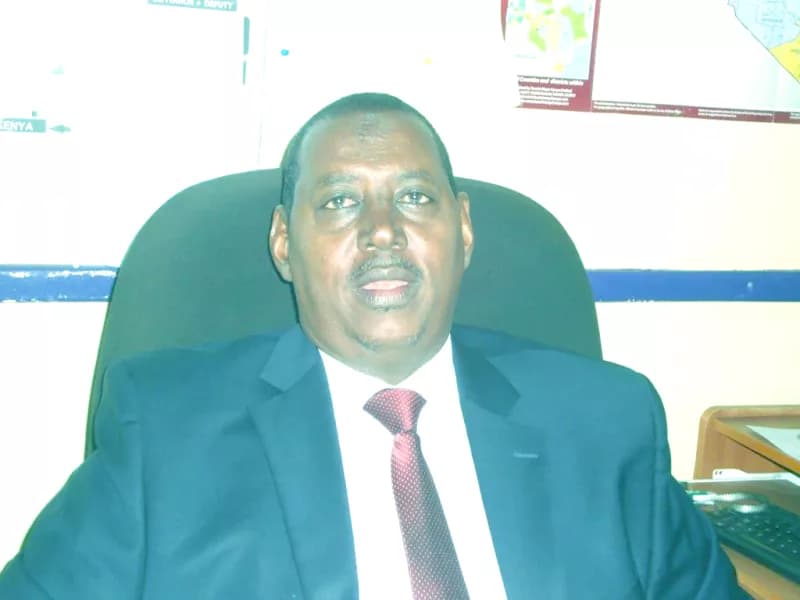
The Kenya Rural Roads Authority (KeRRA) has stepped up activity across its rural road programme, with contractor payments, new tenders and progress on major projects marking its operations under Director General Eng. Jackson Karubiu Magondu.
The developments reflect the combined roles of the Roads and Transport Ministry, the KeRRA Board and management in financing, overseeing and implementing road projects across the country.
A key milestone has been the payment of verified contractor bills. By October 2025, Sh64.2 billion had been disbursed under the government’s road-financing arrangement, clearing 40 per cent of arrears on 393 KeRRA projects.
In February 2026, the authority reported that all verified road-contractor bills up to December 2025 had been paid.
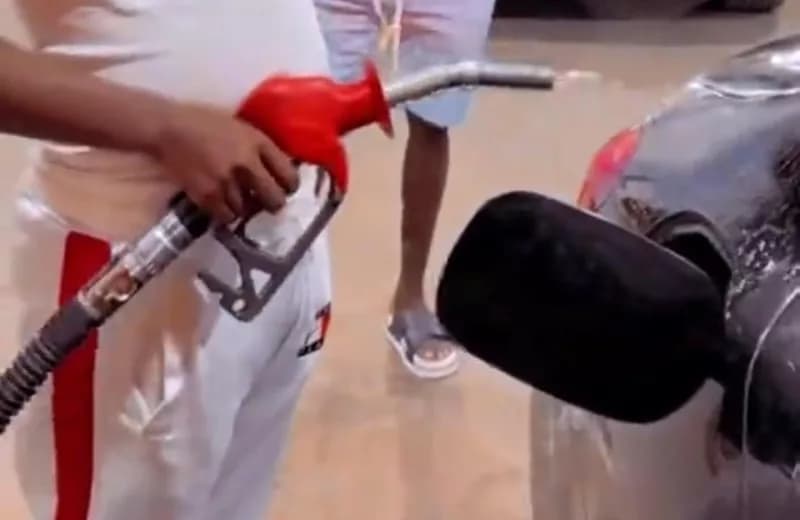
The government’s financing plan sought to raise Sh175 billion by committing KSh7 from the fuel levy on every litre of fuel.
In August 2026, Roads and Transport Cabinet Secretary Davis Chirchir announced a further Sh139 billion in contractor payments, scheduled for August 21 to 28.
The funding has been intended to support contractors’ operations and facilitate continued implementation of road projects. For KeRRA, the focus has been on translating the financial intervention into construction progress and improved rural connectivity.
The authority has maintained a programme of new procurement, advertising tender Lots 5 to 13 between December 2025 and September 2026.
The tenders cover bitumen upgrading, spot improvements and drainage, extending the pipeline of works aimed at improving road access in rural areas.
In Narok County, KeRRA reported in August 2026 that 22 kilometres of the 78-kilometre Mulot-Sogoo road project had been tarmacked.
The 65-kilometre Nkuswani-Naikara-Leshuta-Morijo road was reported to be 48 per cent complete, with another 22 kilometres surfaced.
The projects are part of the authority’s work to improve road connections serving communities and economic activity in the county.
In Kitui County, construction of Enziu Bridge had reached 70 per cent completion by August 2026, according to KeRRA. Steel girders had been delivered, and the contractor projected completion within about 90 days.
The bridge has particular significance following the 2021 bus accident at the flooded river in which 33 passengers died. Its construction is intended to provide a safer crossing for road users.
KeRRA has also undertaken measures to protect road infrastructure. In July 2026, it enforced axle-load restrictions on the Ngong-Suswa road using a virtual weighbridge after overloaded trucks reportedly damaged sections of the road. Several offenders were arrested and charged.
In a separate measure, Magondu issued a public warning in June 2026 against fraudulent contract-award letters, advising contractors to verify awards through the authority’s official channels.
The leadership transition that preceded the current programme began on July 11, 2025, when former Director General Eng. Philemon Kandie resigned. The Board, in consultation with Chirchir, appointed Magondu, then KeRRA’s Director of Planning, Design and Environment, as acting director general on the same day.
Following a competitive recruitment process, he was confirmed as substantive director general on February 17, 2026, for a three-year term.
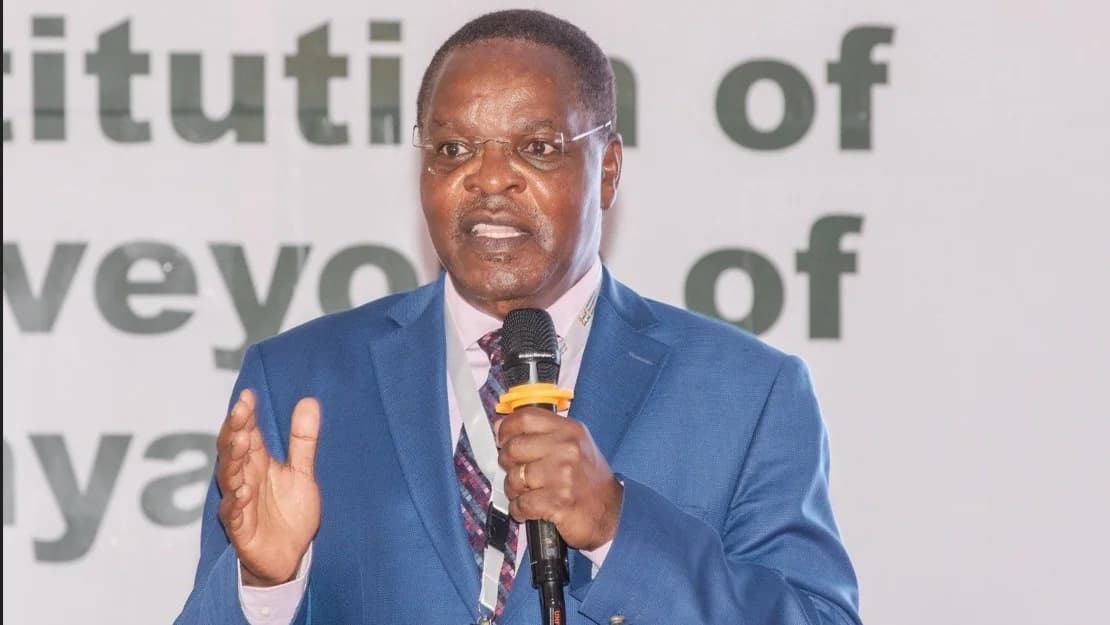
The Board, chaired by Anthony Mwaura, has participated in project inspections and recruitment initiatives. In December 2025, it advertised approximately 300 positions covering technical and support functions.
In October 2025, Mwaura joined Magondu at Gachie in Kiambu County, where 23 kilometres of a 90-kilometre network of road links had been surfaced. In February 2026, the two inspected a flood-damaged bridge on the Kilgoris-Lolgorian road in Narok County.
In October 2026, Mwaura accompanied Deputy President Kithure Kindiki to inspect the 26-kilometre Kirwara-Kigio-Jogoo Kimakia road in Murang’a County.
The programme builds on an extensive portfolio of projects. The Auditor-General’s report for the year ended June 2025 identified 43 delayed projects among KeRRA’s 136 ongoing projects, with the affected works valued at Sh69.4 billion. Pending bills stood at KSh60.6 billion.
These figures provide a baseline for measuring subsequent progress. The authority’s 2025/26 audited accounts, alongside project-level reports, should help establish changes in outstanding bills, construction timelines and completion rates.
Rural roads are essential to moving agricultural produce, connecting communities to markets and improving access to schools and health facilities.
KeRRA’s reported progress in contractor payments, tendering, road surfacing and bridge construction therefore has significance for communities that depend on reliable transport.
The next measure of the programme will be the delivery of completed roads to the required standards. For KeRRA, the objective remains clear: turn financing and planned works into durable infrastructure that serves rural communities across Kenya.
The writer is a regular commentator on topical issues.

Comments
No comments yet. Be the first to share your thoughts.