
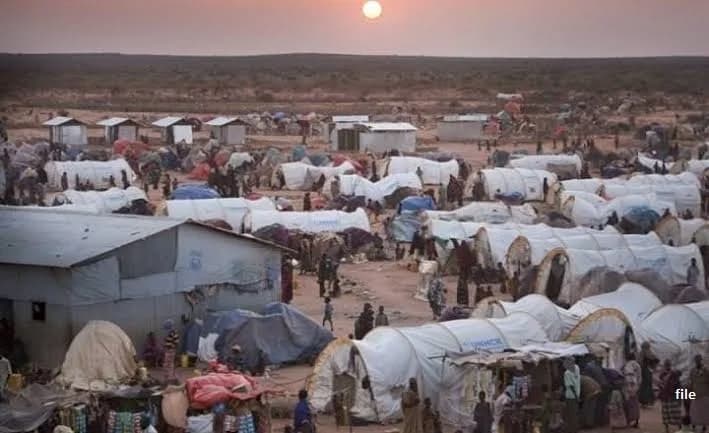
Kenya hosts 879,452 refugees and asylum seekers, UNHCR says

The data further show that 434,824 refugees and asylum seekers reside in Dadaab, while 325,824 are hosted in Kakuma.
Kenya hosted 879,452 refugees and asylum seekers as of September 30, 2026, with Somalis and South Sudanese making up the largest share of the displaced population, according to the latest statistics published by the United Nations High Commissioner for Refugees (UNHCR).
The data show that the population comprised 644,468 refugees (73 per cent) and 234,984 asylum seekers (27 per cent).
Somalis formed the largest group, with 487,274 people, followed by South Sudanese at 215,043, Congolese at 67,477 and Ethiopians at 43,434.
Other nationalities included Burundians at 35,240, Sudanese at 13,841, Eritreans at 7,916, Ugandans at 4,433, Rwandans at 3,092 and other nationalities at 1,702.
The figures underscore Kenya’s position among Africa’s leading refugee-hosting countries, as regional conflicts, insecurity and humanitarian emergencies continue to drive displacement across its neighbouring countries.
The data further show that 434,824 refugees and asylum seekers reside in Dadaab, while 325,824 are hosted in Kakuma.
Latest Stories
- Nominated Senator Crystal Asige joins Winnie Odinga and Jalang’o in Nairobi Senate race
- Tusker FC suffer home defeat as Singida strike puts CAF Confederation Cup hopes at risk
- Ecuadorian priest dies after giant wooden crucifix crashes down on him during live-streamed Mass
- Ebola infections among Kenyan health workers raise safety concerns after treating Patient Zero
A further 118,804 live in urban areas, mainly Nairobi, followed by Mombasa and Nakuru.
The agency said Kenya’s refugee operation continues to be shaped by political developments and the humanitarian situation in the region, particularly in Somalia and South Sudan, which remain major sources of displacement.
The UN agency notes that Somalia continues to grapple with prolonged conflict and recurring drought, which have displaced millions of people and worsened humanitarian needs, a situation that has contributed to continued cross-border movements into neighbouring countries, including Kenya.
The Democratic Republic of Congo (DRC) is also a major source of displacement, with ongoing conflict, particularly in the eastern part of the country, forcing people to flee their homes both internally and across international borders.
According to UNHCR, Congolese refugees face significant challenges in host countries, including overcrowded camps and pressure on basic services.
Worse still, children account for nearly 55 per cent of the Congolese refugee population, with some crossing borders unaccompanied or separated from their families.
South Sudan’s protracted displacement crisis has also contributed significantly to the refugee population in Kenya and across the region.
The country continues to face humanitarian challenges stemming from conflict and insecurity, with children accounting for more than 65 per cent of its refugee population, according to the report.
The latest figures highlight the continued pressure on Kenya’s refugee response as people fleeing conflict and humanitarian emergencies seek protection, shelter and access to essential services.


Comments
No comments yet. Be the first to share your thoughts.