
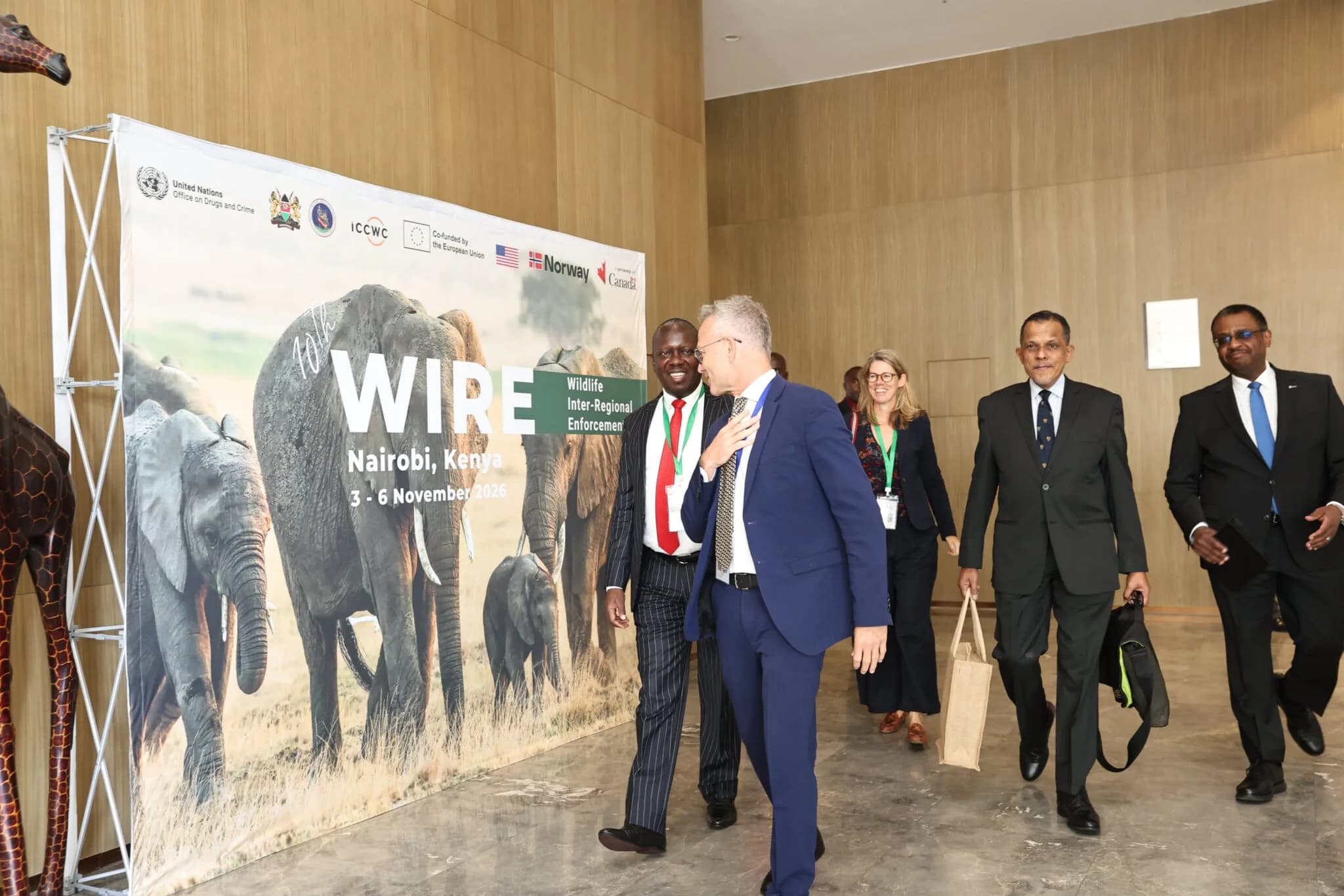
NAIROBI, Kenya, Nov 3 — Kenya has called for stronger international cooperation to dismantle criminal networks behind wildlife trafficking, warning that the illegal trade has evolved into a sophisticated form of transnational organised crime.
Director of Public Prosecutions Renson Ingonga said wildlife trafficking was increasingly driven by interconnected criminal networks, requiring countries to strengthen cross-border investigations, information sharing and prosecution efforts.
Ingonga said the fight against wildlife crime should go beyond tracking seizures of illegal animal products to targeting the criminal enterprises responsible for the destruction of wildlife, communities and ecosystems.
“The impact of wildlife crime should not be measured solely by the quantity of illegal animal products seized, but also by the devastating consequences for wildlife, communities and ecosystems,” he said.
The DPP spoke in Nairobi when he officially opened the 10th Wildlife Inter-regional Enforcement Conference, a three-day meeting convened by the United Nations Office on Drugs and Crime (UNODC) ipn partnership with the Office of the Director of Public Prosecutions (ODPP).
The conference, being held at the Argyle Hotel, has brought together investigators, prosecutors, customs officers and wildlife authorities from different parts of the world to strengthen international cooperation and improve enforcement against wildlife trafficking.
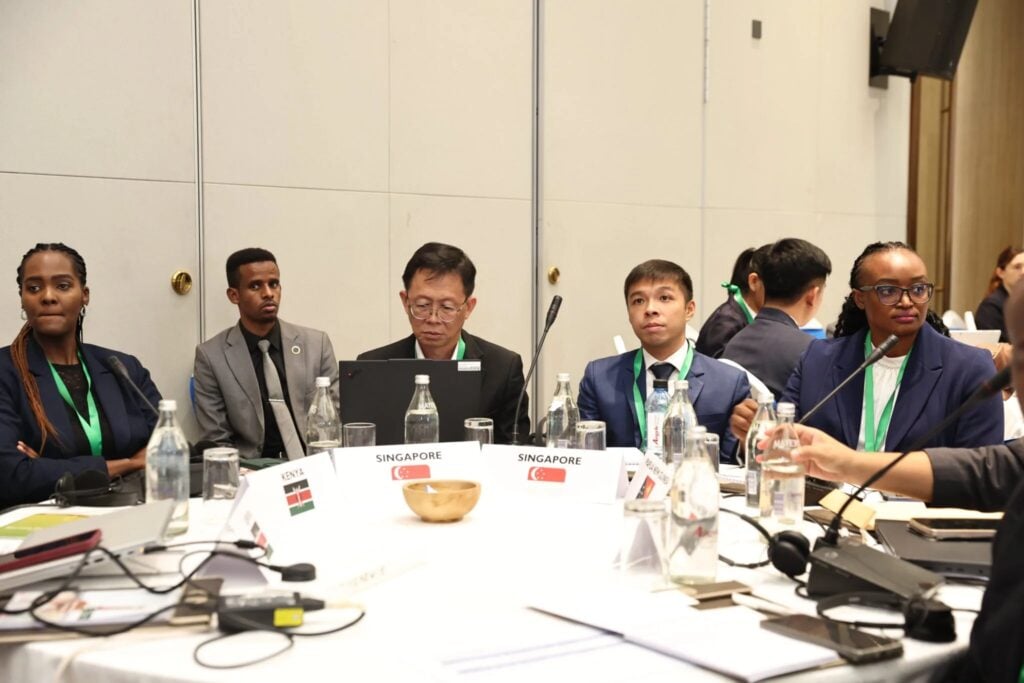
Among those attending is Sri Lanka’s Attorney General, Parinda Ranasinghe.
Ingonga reaffirmed the ODPP’s commitment to prosecuting wildlife crime and other offences against the environment, emphasising the need for coordinated action among countries and law enforcement agencies.
He said the interconnected nature of criminal networks made international collaboration critical in disrupting the trade and holding those behind it accountable.
The conference provides a platform for enforcement agencies across regions to strengthen collaboration and enhance their capacity to investigate and prosecute wildlife-related offences.
The meeting comes amid growing recognition that wildlife trafficking extends beyond conservation concerns, with criminal networks exploiting international routes and links to other illicit activities.
Ingonga said protecting the world’s natural heritage required a collective response that addresses both the environmental damage and the criminal enterprises profiting from it.



Comments
No comments yet. Be the first to share your thoughts.