
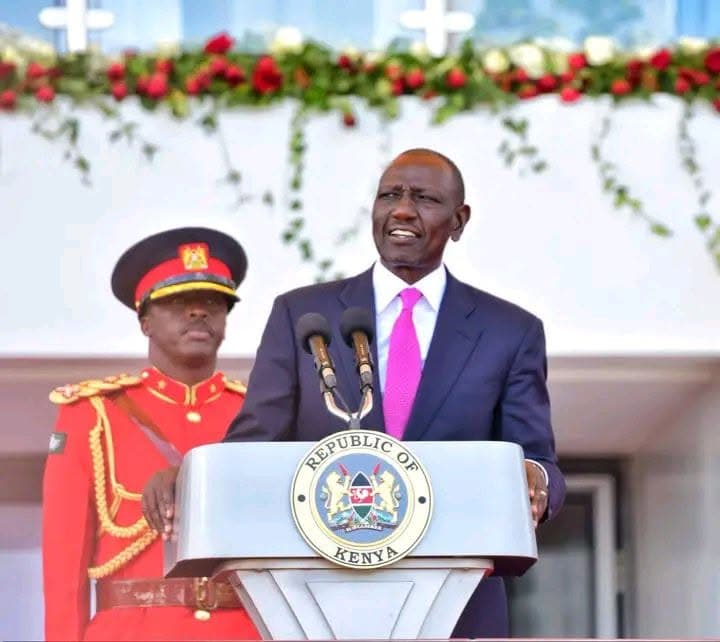
Delivering his 2026 Mashujaa Day address at Kipchoge Keino Stadium in Eldoret on October 20, 2026, the President said the proposals would put more money in workers’ pockets, lower the cost of acquiring property and improve access to employment opportunities.
The measures come as the government seeks to translate its economic transformation agenda into practical benefits for households, businesses and young people.
1. Government Proposes PAYE Exemption for Earnings Below Sh32,333
The government has prepared proposals to exempt workers earning Sh32,333 per month or less from Pay As You Earn (PAYE) income tax.
According to President Ruto, the proposal is intended to provide relief to workers on modest incomes by allowing them to retain more of their earnings to meet household expenses, including food, transport and other essential needs.
The proposals are scheduled to be presented to Parliament beginning the week after the Mashujaa Day address.
If approved and implemented, the measure would provide tax relief to eligible employees. Its final impact will depend on the legislative process and the applicable implementation arrangements.
Making Payday and PAYE payments easier for businesses
2. Stamp Duty Exemption Proposed for Land Transactions Below Sh1 Million
The National Treasury has developed proposals to exempt land transactions valued at Sh1 million or less from stamp duty.
The government also plans to introduce progressive stamp duty rates for higher-value transactions.
President Ruto said the measures would reduce the cost of acquiring and transferring land, strengthen the security of land ownership and make property ownership more accessible to ordinary Kenyans.
The proposed changes could benefit eligible first-time property buyers and other purchasers of lower-value land. However, the exemption and revised rates remain proposals subject to the relevant legislative and administrative processes.
3. Government Proposes Removing 25% Import Duty on Mobile Phones
The government has proposed removing the 25% import duty currently applied to mobile phones.
President Ruto described mobile phones as essential tools for education, business, banking and employment rather than luxury items.
The proposal is intended to make mobile devices more affordable and expand access to Kenya’s growing digital economy.
For entrepreneurs and small businesses, cheaper mobile phones could improve access to digital payment systems, online marketplaces, digital marketing and remote work opportunities.
The actual reduction in retail prices would depend on implementation and how changes in import costs are reflected in consumer prices.
Why you should partner with Co-op Bank when importing goods from China
4. National Internship Programme to Expand to 50,000 Young Kenyans
The government plans to expand the national internship programme to accommodate 50,000 young Kenyans beginning January 1, 2027.
President Ruto said each participant would receive a monthly stipend, with placements allocated through a transparent, digital and merit-based system.
The programme will also include incentives to encourage private-sector employers to provide meaningful workplace experience.
The initiative seeks to address a longstanding challenge facing young job seekers: the difficulty of securing employment without prior experience and gaining experience without first obtaining a job.
By providing structured workplace exposure, the programme is intended to create a pathway from education to practical experience and, ultimately, employment.
The government said the necessary implementation processes would follow.
Ruto Outlines Economic Transformation Progress
Beyond the four proposed measures, President Ruto used his Mashujaa Day address to outline what he described as progress under the Bottom-Up Economic Transformation Agenda.
On agriculture, he said the government had registered 8.9 million farmers and distributed more than 38 million bags of subsidised fertiliser. He reported that the price of a fertiliser bag had fallen from Sh7,500 in 2022 to Sh2,000 under the subsidy programme.
The President also said maize production had increased from 34.3 million bags in 2022 to 71 million bags in 2025.
In the dairy sector, he announced that farmers would earn Sh65 per litre of milk beginning October 2026, alongside an additional monthly bonus of Sh2 per litre, payable quarterly.
On access to finance, Ruto said more than 10 million Kenyans were regular borrowers through the Hustler Fund, which had advanced Sh98 billion without collateral. He announced plans to inject a further Sh5 billion into the fund before the end of 2026.
These figures were presented by the President as part of his administration’s assessment of economic performance.
Step-by-step guide to buying affordable housing units, features and charges
Housing and Digital Jobs Remain Key Employment Priorities
The President also highlighted housing construction and digital employment as important components of the government’s job creation strategy.
He said 303,910 affordable homes were at various stages of development, alongside more than 450 modern markets and student accommodation facilities intended to serve 180,000 students.
According to the address, these investments had generated more than 1.1 million employment opportunities in construction and related industries.
Ruto further reported that the labour mobility programme had connected 680,000 Kenyans to employment opportunities abroad, while digital jobs initiatives had opened opportunities for 350,000 young people.
Through the NYOTA programme, he said more than 700,000 young people were being equipped with skills, while over 120,000 young entrepreneurs had received start-up capital and mentorship.
Looking ahead, the President said the government aimed to expand digital employment opportunities towards two million, international work opportunities towards one million, and employment opportunities generated through housing and related investments towards two million over the next three years.
He said these targets would be pursued alongside investments in roads, energy and logistics.
President Calls for Accountability and Results
The Mashujaa Day address also focused on public accountability, constitutional rights and the responsibility of leaders to deliver on their commitments.
President Ruto acknowledged public frustrations over the cost of living, taxation, unemployment and the pace of change. He said citizens retained the right to question government decisions and demand better results between elections.
He also argued that political competition should focus on policy proposals, development plans and measurable outcomes rather than ethnic divisions and personal attacks.
With Kenya expected to hold its next general election in 2027, the President said he would present an account of his administration’s achievements and outline the next phase of its economic agenda.
Stephen Kinyua: Why employment will never make you rich
What the Four Proposals Mean for Kenyans
The four measures announced in Eldoret address different barriers affecting households, property buyers, digital workers and young job seekers.
The proposed PAYE exemption targets workers earning modest incomes. The stamp duty proposal seeks to reduce transaction costs for lower-value land purchases. The mobile phone import duty proposal aims to lower barriers to digital access, while the expanded internship programme seeks to provide structured work experience for young Kenyans.
However, the announcements should be distinguished from a fully implemented policy. The proposals will require the relevant legislative, fiscal and administrative processes before they can take effect.
For households and businesses, the next important steps will be the presentation of the proposals to Parliament, clarification of eligibility requirements, and publication of implementation timelines.
The internship programme will also need clear recruitment procedures, adequate funding, transparent selection criteria and meaningful placements to deliver lasting employment benefits.
Conclusion
The 2026 Mashujaa Day address placed economic opportunity, affordability and youth employment at the centre of the government’s next phase of reforms.
The proposed measures could provide relief to eligible workers, lower the cost of selected land transactions, improve access to digital tools and create additional pathways into the labour market.
Their ultimate value, however, will depend on implementation, sustainable financing and measurable results.
As Kenya honours the sacrifices of its national heroes, the central economic challenge remains turning policy commitments into tangible improvements in household incomes, enterprise growth and employment opportunities.


Comments
No comments yet. Be the first to share your thoughts.