
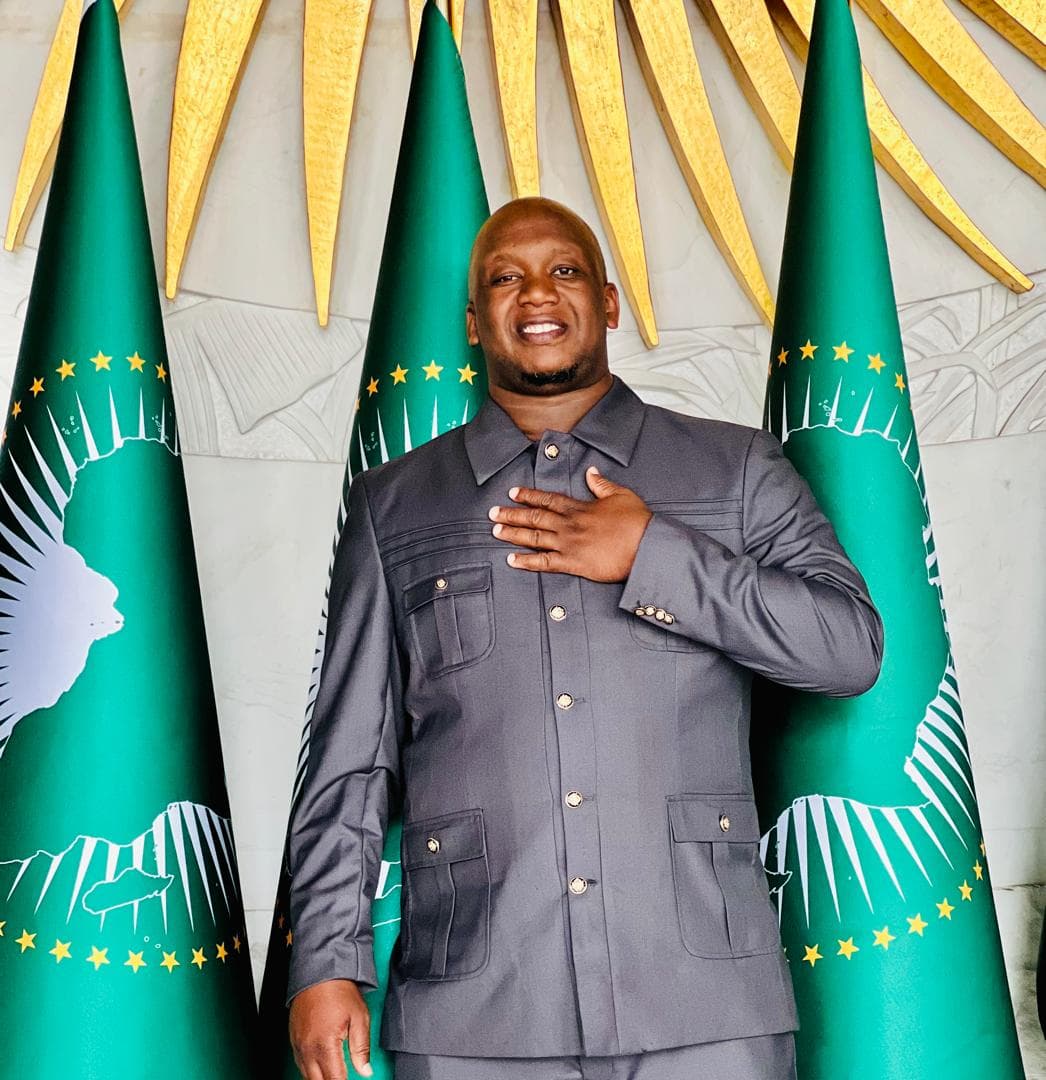
The African Union is more than an institution, it is the embodiment of the Pan-African dream.
Its journey began on May 25, 1963, in Addis Ababa, with the formation of the Organization of African Unity (OAU) by 32 independent African states. The OAU’s mission was clear: to eradicate colonialism and apartheid and defend the sovereignty of a newly independent continent.
On July 9, 2002, in Durban, South Africa, the OAU was transformed into the African Union. This was not just a change of name, but a paradigm shift. From a focus on liberation to a focus on integration, development, and prosperity. Today, the AU stands as the only continental body representing all 55 member states, with over 1.4 billion people.
Why does the AU define Africa?
Because it is the only vehicle that carries our collective voice. It is the home of our shared diplomacy, our peace and security architecture, our African Court, our Pan-African Parliament, and our vision for a borderless Africa through the African Continental Free Trade Area (AfCFTA) — the largest free trade area in the world since the WTO.
And that vision is codified in Agenda 2063: “The Africa We Want.”
Adopted in 2015, Agenda 2063 is Africa’s 50-year master plan for transformation. It is built on 7 Aspirations, including a prosperous Africa based on inclusive growth, an integrated and politically united continent, and an Africa with a strong cultural identity and values.
From the High-Speed Train Network connecting our capitals, to the Single African Air Transport Market, to Silencing the Guns by 2030 — Agenda 2063 is not a dream on paper. It is the roadmap being implemented by the AU.
Standing here at the AU Headquarters in Addis Ababa, you understand that Africa’s future is not being decided in Geneva or New York. It is being shaped here, by Africans, for Africans.
The African Union is not just the hope of Africa. It IS Africa.
Yusuf Noah is the African Union Ambassador, AU PPP Summit

Comments
No comments yet. Be the first to share your thoughts.