
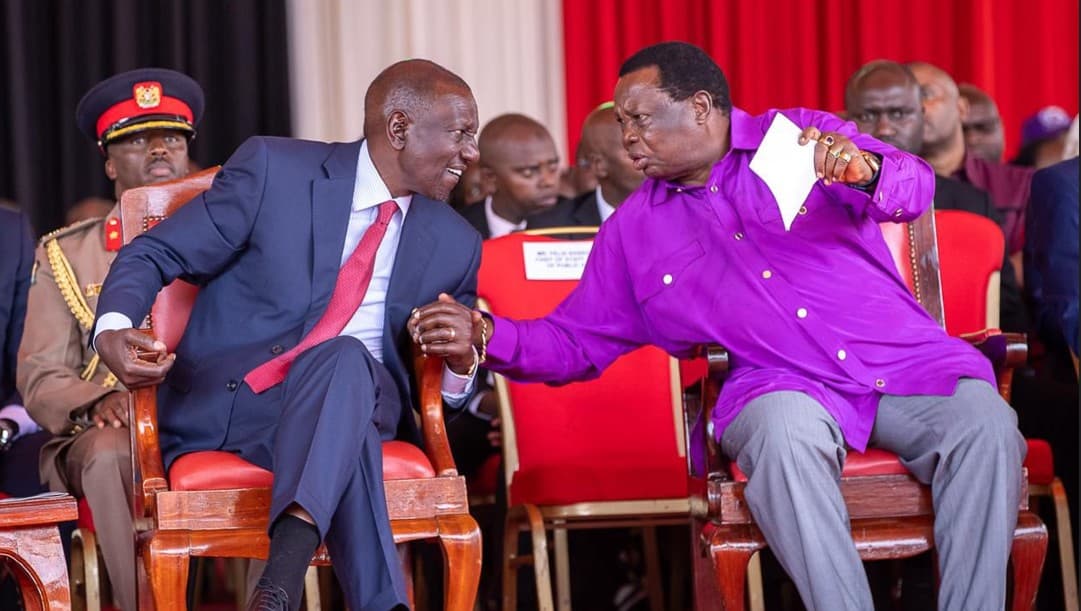
COTU urges Parliament to fast-track Ruto’s PAYE tax relief plan

Atwoli welcomed the proposal, saying it would leave workers with more disposable income, particularly those in the private sector, where many unionisable employees fall within the affected income bracket.
Parliament has been urged to hasten the process of approving President William Ruto’s proposal to exempt workers earning Sh32,333 a month from PAYE income tax, in a move aimed at easing the tax burden on low-income earners.
In a statement, the Central Organisation of Trade Unions (COTU) Secretary General Francis Atwoli said the proposed exemption should cover more workers, arguing that low-income earners need protection from heavy taxation.
Atwoli welcomed the proposal, saying it would leave workers with more disposable income, particularly those in the private sector, where many unionisable employees fall within the affected income bracket.
“Exempting this category of wage earners from PAYE is a huge step by the President to cushion these low-income earners from heavy taxation. This will go a long way in reducing the burden these workers have continued to carry in their working lives, putting more cash in their pockets,” he said.
Ruto announced the proposal during the Mashujaa Day celebrations in Eldoret on Tuesday, saying it would be presented to Parliament beginning next week.
“The stability we have achieved in our economy now affords us an opportunity to ease the burden on sections of our population and ensure that more Kenyans share in the benefits of our progress,” Ruto said.
Latest Stories
The proposed exemption is part of a four-pillar incentive plan announced by the President to help protect Kenyans from the high cost of living.
COTU also backed the proposed removal of the 25 per cent import duty on mobile phones, saying the move would make digital opportunities more accessible to young people seeking employment and other ways to earn a living.
“Making phones more affordable will bring the opportunities of the digital economy within reach of more citizens,” Ruto noted.
Atwoli urged unemployed young Kenyans to take advantage of the proposed tax relief on mobile phones by exploring digital platforms and applications that could help them earn an income.
“Enter the digital space and explore the opportunities provided by various applications to earn a living and grow the Kenyan platform economy for their betterment,” COTU added.
The union also cited the International Labour Organisation (ILO), which it said had recognised the platform economy as a source of employment and income opportunities for young people and businesses, as well as a way to support the formalisation of work.
“No doubt that it is against this background that the ILO, observing that the platform economy has created opportunities for young people and business development,” Atwoli said.
Other measures announced by Ruto include expanding the national internship programme to accommodate 50,000 young Kenyans from January 1, with each beneficiary receiving a monthly stipend.
The President also said the National Treasury had developed proposals to exempt land transactions valued at Sh1 million or less from stamp duty while introducing progressive rates for higher-value transactions.
Ruto first hinted at the PAYE tax relief plan in February after Treasury Cabinet Secretary John Mbadi announced that he was seeking to exempt more than 1.5 million employed Kenyans earning below Sh30,000 from the tax.
According to the National Exchequer, Kenya has about 3,650,165 salaried workers, of whom 1.5 million earn Sh30,000 or less per month.
The latest proposal seeks to raise the monthly income threshold for PAYE exemption to Sh32,333, subject to Parliament’s consideration and approval.

Comments
No comments yet. Be the first to share your thoughts.