
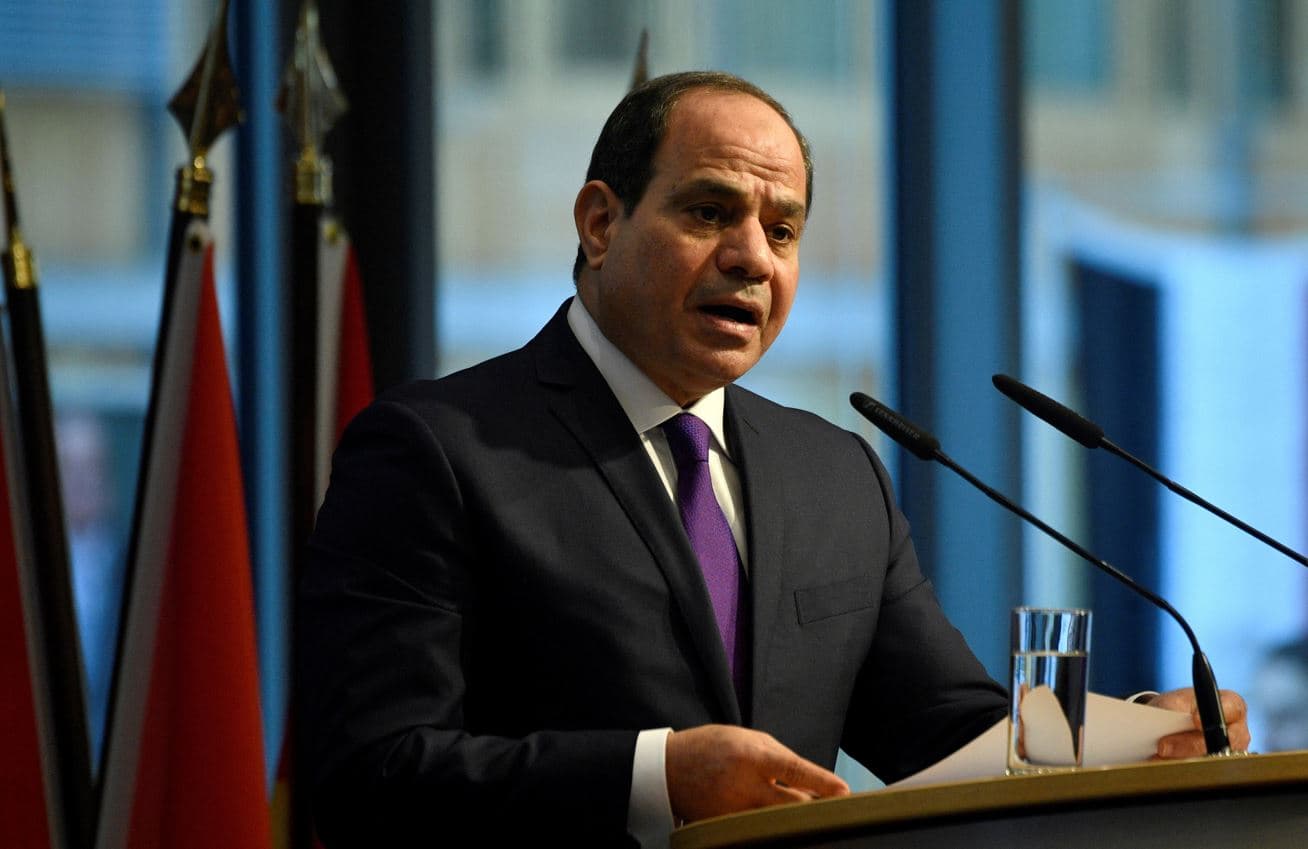
Egyptian President El-Sisi rules out staying in power beyond 2030

El-Sisi won a second term in 2018 before securing a third in December 2023, when he received 89.6 per cent of the vote. He was sworn in for his current six-year term in April 2024.
Egyptian President Abdel-Fattah El-Sisi has said he will leave office when his current term ends in 2030, ruling out changes to the Constitution to extend his presidency.
El-Sisi made the declaration on Saturday while addressing a graduation ceremony for the Egyptian Military Academy's first cohort and new batches from military colleges at the New Administrative Capital.
“Leaving the Constitution untouched is the right course. In 2030, my term leading the country will end, if I am still alive. This matter is completely settled and will not be discussed further,” he said.
Alongside the pledge, El-Sisi proposed a programme at the Egyptian Military Academy to prepare potential presidential candidates and other senior state officials ahead of the end of his term.
The proposed programme would run for 30 months, with applicants aged between 40 and 50 required to hold doctorate degrees from reputable Egyptian or foreign universities.
El-Sisi's declaration comes amid renewed calls from some of his supporters for him to remain in power beyond 2030. Local media reports this week said pro-government politicians and social media accounts linked to the state had backed a fourth term for the president.
Latest Stories
- African countries could save billions by cutting air pollution and greenhouse gases at the same time
- Nominated Senator Crystal Asige joins Winnie Odinga and Jalang’o in Nairobi Senate race
- Tusker FC suffer home defeat as Singida strike puts CAF Confederation Cup hopes at risk
- Ecuadorian priest dies after giant wooden crucifix crashes down on him during live-streamed Mass
Earlier in the week, El-Sisi said there were no plans to amend the Constitution, while leaving open the question of how any future proposal to change it would be decided.
El-Sisi, a former army chief, took office in 2014 after the military ousted President Mohamed Mursi following mass protests against his government in 2013. Mohamed had become Egypt’s first democratically elected president after the 2011 uprising that ended Hosni Mubarak’s nearly three-decade rule.
El-Sisi won a second term in 2018 before securing a third in December 2023, when he received 89.6 per cent of the vote. He was sworn in for his current six-year term in April 2024.
His current term runs until 2030 following constitutional amendments approved in a 2019 referendum that extended presidential terms from four to six years and allowed El-Sisi to seek a third term, altering the previous constitutional limits on his tenure.
The amendments also expanded presidential powers and strengthened the military’s constitutional role, drawing criticism from opponents who warned that the changes concentrated more authority in the presidency.
His decade in power has been marked by reported restrictions on political opposition and civil liberties, with the Human Rights Watch (HRW) reporting in its 2026 World Report that Egyptian authorities continue to detain critics, journalists and activists.
El-Sisi’s government has also faced economic pressures, including rising living costs and public debt. Critics have questioned its spending priorities, particularly investment in major infrastructure projects amid concerns about funding for essential public services.
Comments
No comments yet. Be the first to share your thoughts.