
Kenya opposes EAC timeline for shifting EALA salaries to national parliaments pending treaty amendments

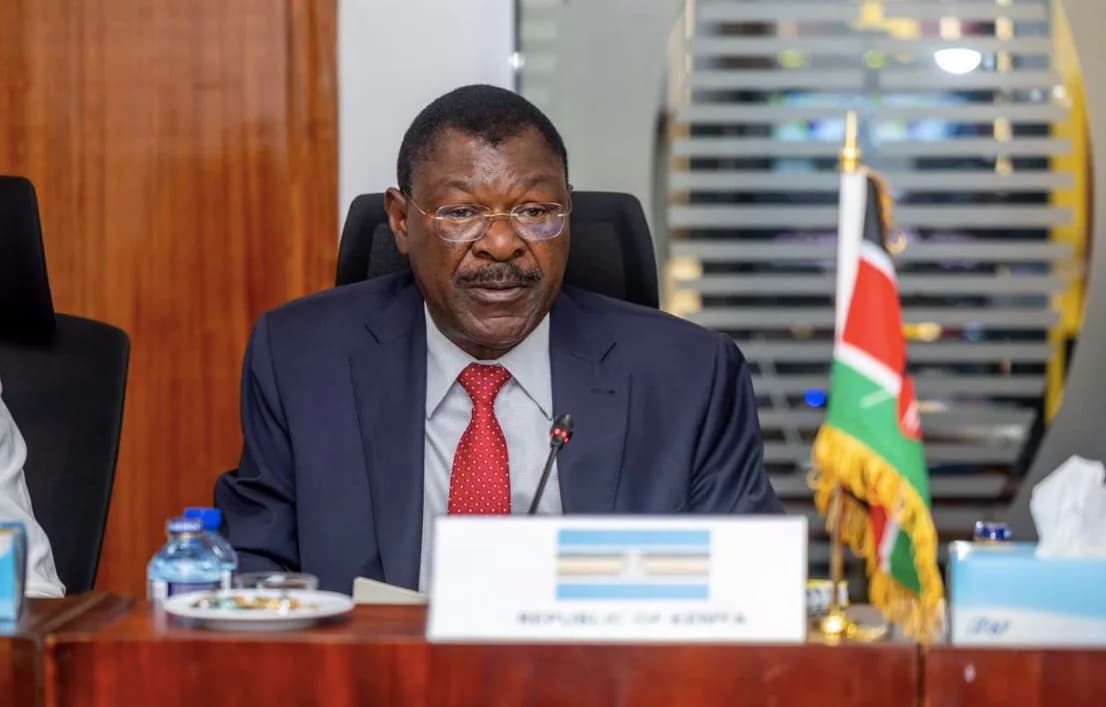
National Assembly Speaker Moses Wetang’ula said the arrangement must comply with the existing EAC Treaty and national constitutions.
Kenya wants East African Community (EAC) leaders to reconsider a decision requiring national parliaments to pay members of the East African Legislative Assembly (EALA) from December 2027, warning that the changes may not be legally implemented by the deadline.
Speaking at an extraordinary meeting of the Bureau of EAC Speakers in Nairobi on Thursday, National Assembly Speaker Moses Wetang’ula said the arrangement must comply with the existing EAC Treaty and national constitutions, arguing that the regional bloc cannot implement the changes before completing the legal process required to amend the Treaty.
“The Republic of Kenya firmly enshrines the rule of law as a foundational and constitutional national value and principle of governance. It is therefore our resolve that all decisions must be based on the Treaty as it currently provides, and not on a proposed amendment to the Treaty,” he said.
According to Wetang’ula, changing the Treaty and securing ratification from all Partner States would be difficult to complete before the proposed start date.
“It is one thing to amend the Treaty to accommodate the Summit decisions, but it is another long and demanding expedition to have the amended Treaty ratified by all Partner States in line with Article 150 of the Treaty. It would not be practically and technically feasible to undertake amendment and ratification processes by December 2027,” he said.
The dispute stems from a decision made at the 25th Ordinary EAC Summit in Tanzania in March requiring national assemblies to take over the salaries of EALA members from December next year.
Latest Stories
- Mathare stun Tusker as Police edge Ulinzi while Migori and Shabana share spoils
- Sudan drone strike knocks out power station, plunges two states into darkness
- Ruto urges stronger Africa-Russia cooperation in healthcare and vaccine manufacturing
- Durban named South Africa’s preferred city to host 2036 or 2040 Olympics
The decision formed part of wider efforts by EAC leaders to change how the regional bloc is financed. At the same Summit, leaders approved a new formula under which half of member states’ contributions would be shared equally, while the other half would be based on their economic capacity.
The proposed salary transfer, however, raises questions about which institutions have the legal authority to pay the regional legislators and how the arrangement would work across different national parliamentary systems.
According to Wetang’ula, Kenya’s parliamentary service commissions are responsible for members of the national Parliament and parliamentary staff, raising questions about whether they could take on responsibility for EALA members without changes to the existing legal framework.
He also warned that shifting the payments to national parliaments could raise concerns about the independence of the regional Assembly and equal treatment of its members.
On his part, EALA Speaker Joseph Ntakirutimana said any new payment framework must preserve the Assembly’s institutional character and ensure that members are treated equally. He called on national parliaments and EAC institutions to work together to resolve the legal, financial and administrative questions.

Comments
No comments yet. Be the first to share your thoughts.