
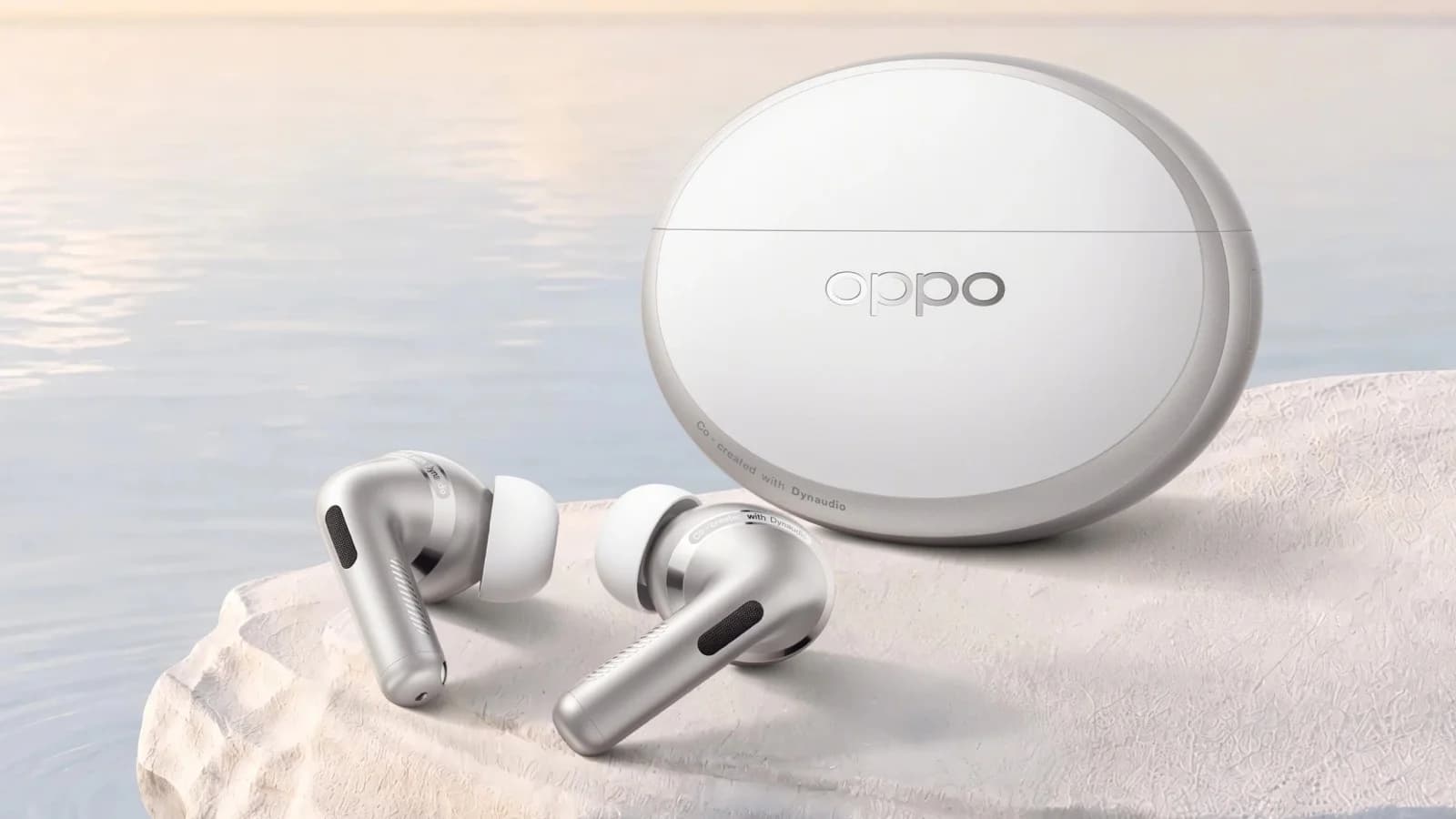
OPPO has launched the Enco X4 wireless earbuds globally, and their highest audio setting depends on the phone you own. The advertised maximum transmission rate of 2.3Mbps requires an OPPO Find X10 series phone with a MediaTek processor. Buying the earbuds won’t give every phone access to that mode.
If you have an iPhone, another Android phone or an older OPPO, the Enco X4 can connect over Bluetooth without necessarily giving you its highest audio setting. OPPO announced the global launch on 21st October 2026, with availability to follow market by market.
A Bluetooth audio codec is the method a phone and a pair of earbuds use to encode and decode sound for the wireless connection. Both devices need to support the same codec, as OPPO explains in its support guidance for the original Enco X. When buying the X4, you therefore need to know which audio mode your phone supports with these earbuds.
Lossless audio preserves the original audio data through compression. OPPO calls its new mode LHDC Lossless and advertises playback at up to 24-bit/48kHz, the digital recording’s bit depth and sample rate. The 2.3Mbps figure is the amount of data the wireless link can carry each second. Those specifications tell you what the connection supports, though they can’t establish how much better the earbuds will sound to you.
On an iPhone, switching on lossless streaming in a music app doesn’t by itself make the connection to the earbuds lossless. Apple’s iPhone listening guidance explains why the music source and Bluetooth playback need to be considered separately. The wireless connection is part of the path the song takes to reach your ears.
OPPO’s specification sheet lists AAC, SBC, LHDC and LC3 as supported codecs. A phone’s support for LHDC alone doesn’t guarantee the maximum LHDC Lossless rate. If yours isn’t covered by the Find X10 requirement, confirm which mode it can use with the X4 before buying for lossless audio.
Whichever phone you connect, the earbuds have an 11mm woofer for lower frequencies and a 6mm tweeter for higher frequencies. Each has its own digital-to-analogue converter, the circuit that converts digital audio into an analogue signal for playback. OPPO developed the sound tuning with Dynaudio, an audio company.
OPPO also advertises spatial audio across Android, iOS and Windows. This processes sound to give it a sense of direction and space, and works differently from preserving audio data through a lossless connection. Support for spatial audio therefore doesn’t establish support for lossless playback, or vice versa. We haven’t tested the Enco X4’s sound or its behaviour across those platforms.
Your choice of audio mode also affects how long the battery lasts. In OPPO’s laboratory figures, AAC playback at 50% volume lasts up to 13 hours on the earbuds, or 53 hours including case recharges, with active noise cancellation switched off. Active noise cancellation, or ANC, reduces the surrounding noise you hear.
Switch ANC on and the AAC figures fall to six hours on the earbuds and 26 hours including case recharges. Using LHDC with ANC on brings them down to 5.5 hours and 22 hours. OPPO labels that test simply LHDC, without identifying it as continuous playback at the maximum 2.3Mbps lossless rate. These are laboratory comparisons between settings; actual battery life depends on how you use the earbuds.
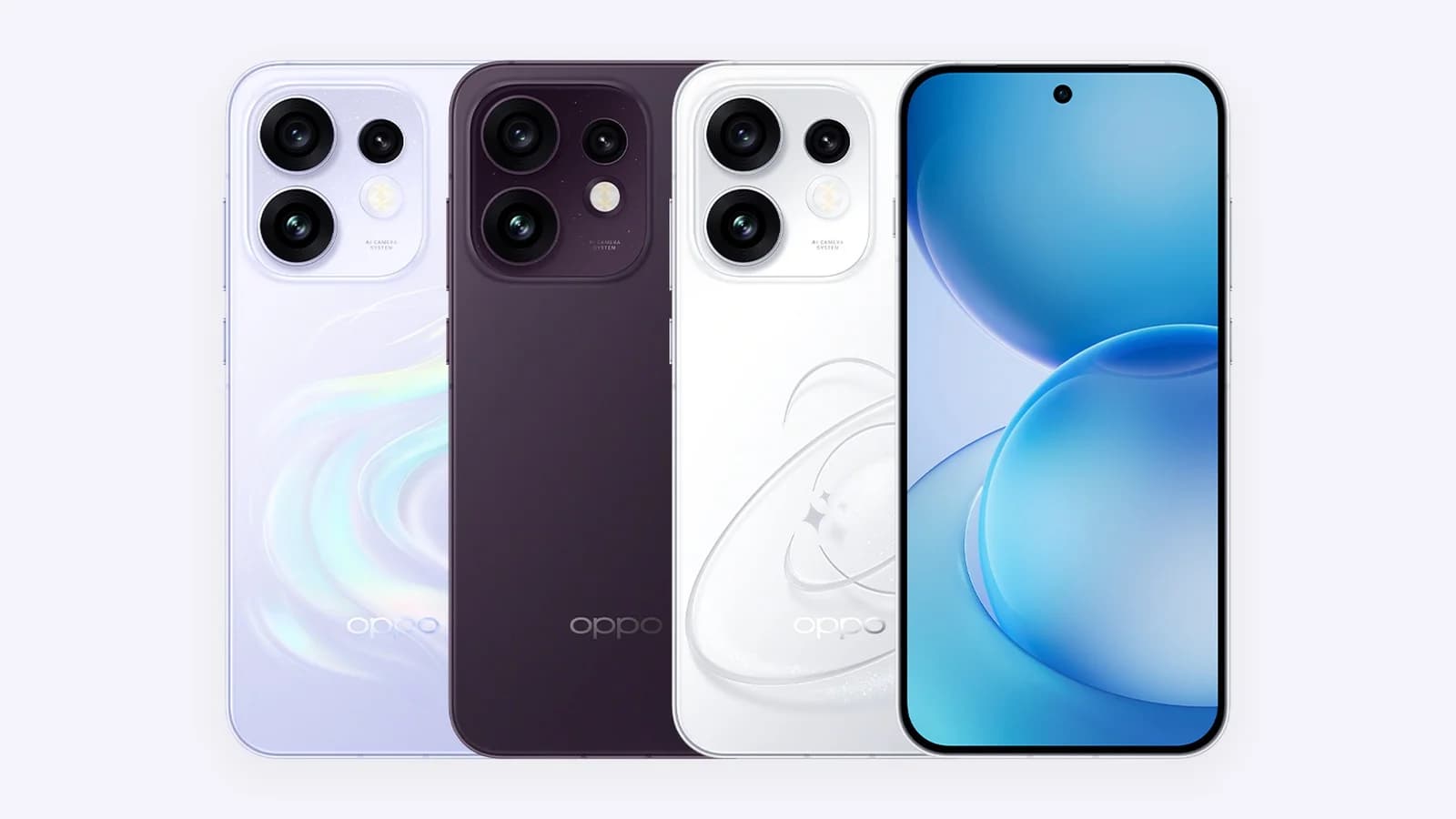
Last week, we examined how the Find X10 itself differs between markets. If you’re buying it with the Enco X4, you’ll need to check the pairing too. OPPO Kenya’s audio catalogue doesn’t list the X4, and we haven’t confirmed a Kenyan price or launch date.
We’d judge the Enco X4 on the functions your current phone can use. If you’re buying for lossless playback, ask for confirmation that your exact phone and software support the advertised mode before paying. A general promise that the earbuds work over Bluetooth doesn’t tell you whether you’ll get that mode.
Comments
No comments yet. Be the first to share your thoughts.