
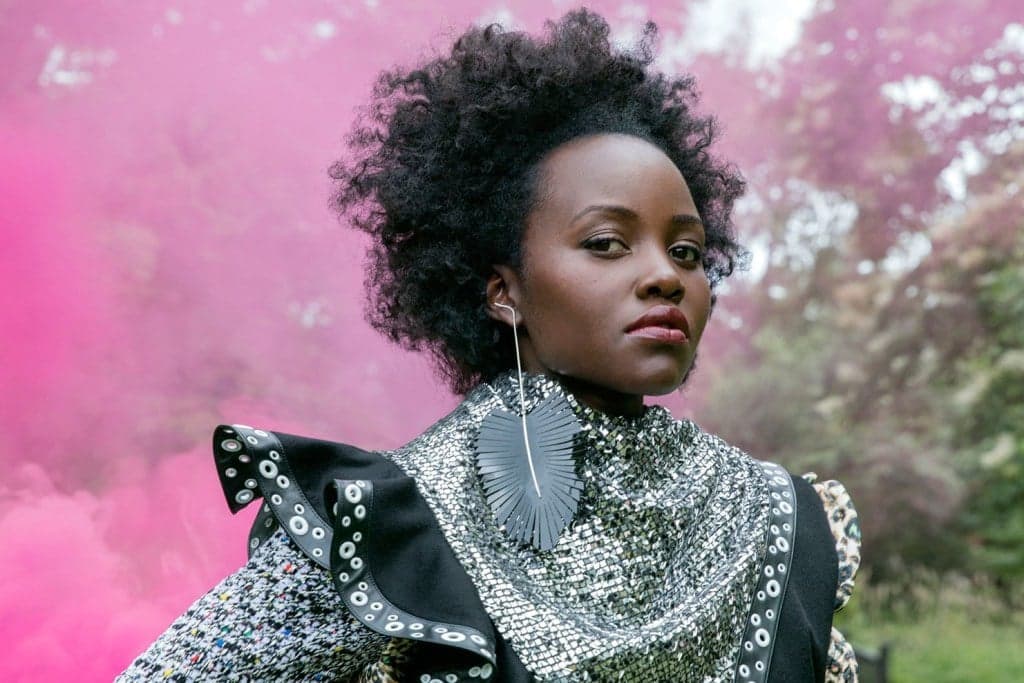
NAIROBI, Kenya, September 25, 2026 – When Oscar-winning actress Lupita Nyong’o posted a video walking down a hallway with the caption, “Taking a tunnel walk to celebrate that I’m an investor in the @nairobicity_thunder!”, social media did what social media does.
It celebrated the glamour, the pride, and the star power.
“Taking a tunnel walk to celebrate that I’m an investor in the @nairobicity_thunder! The Nairobi City Thunder are the first Kenyan team to qualify for the Basketball Africa League (@thebal), and I’m pumped and proud to be behind them. TWENDE!” , Lupita said.
Behind the viral moment lies a far more significant story: the dawn of celebrity equity ownership in East African sports.
For decades, international sports business has quietly evolved beyond traditional corporate sponsorships.
In North America and Europe, cultural icons no longer just sign promotional deals, they buy equity.
Ryan Reynolds and Rob McElhenney turned lower-league Wrexham AFC into a global commercial powerhouse.
In the U.S., Natalie Portman, Serena Williams, and Eva Longoria built Angel City FC into a multi-million-dollar women’s football brand before it ever played a match.
In Kenya, however, sports financing has historically operated on a fragile cycle: direct corporate sponsorship or benevolent political patronage.
When corporate budgets tighten or patrons step back, teams routinely collapse.
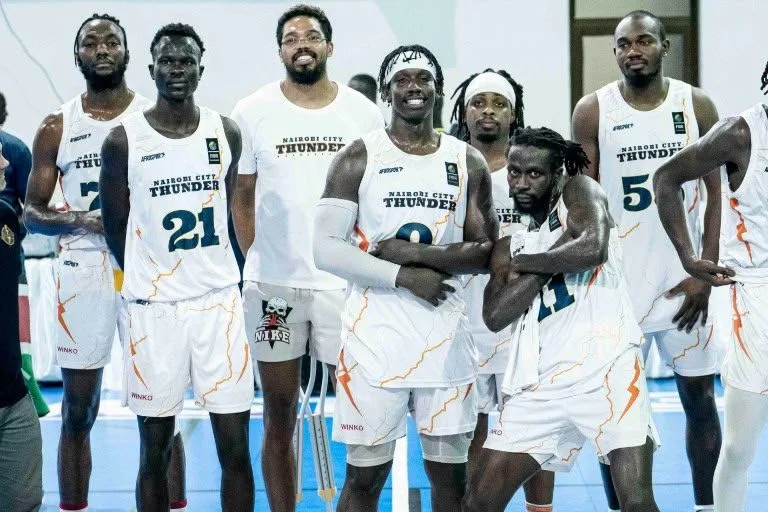
Nyong’o’s investment alongside Twende Sports in Nairobi City Thunder signals a departure from that model.
It treats a local sports franchise not as a charity case, but as a viable commercial asset.
Why Basketball Crack the Code First
It is no coincidence that this shift started on the basketball court.
With the backing of the NBA through the Basketball Africa League (BAL), African basketball now offers a structured, professionalized pipeline.
When Nairobi City Thunder made history as the first Kenyan team to qualify for the BAL in late 2024, and followed it up by clinching the East Division Elite 16 title, they proved that local clubs can achieve continental visibility under professional management.
Add to this the broader institutional investment pouring into Nairobi, such as the planned $290 million (Ksh38.1B) sports arena spearheaded by Masai Ujiri’s Zaria Group and Helios Sports, and basketball is fast becoming the template for sustainable sports business in the region.
The Domino Effect: Could Kenyan Football Be Next?
If basketball has created the blueprint, the Football Kenya Federation (FKF) Premier League and the Women’s Premier League hold the raw scale to replicate it.
Football remains East Africa’s primary sporting obsession, but its commercial potential remains largely untapped.
Imagine a future where the equity model takes hold across domestic football clubs:
Cultural Crossover: When high-profile figures, whether international football icons, musicians, or tech entrepreneurs, take ownership stakes, clubs stop being weekend-only pastimes and turn into lifestyle brands.
Global Distribution: Built-in international followings open doors to global streaming platforms, international merchandise shipping, and foreign brand partnerships.
Commercial Governance: High-net-worth individual investors demand operational accountability, transparent board structures, and modern talent management before risking their capital.
A New Standard for Sports Investment
Lupita Nyong’o didn’t just support a local team, she validated an industry.
Her investment signals to the creative class, high-net-worth individuals, and diaspora capital that African sports franchises are valid investment vehicles.
If Nairobi City Thunder is any indication, the era of relying solely on corporate hand-outs is coming to an end. The era of sports as big business has finally arrived in Nairobi.
Comments
No comments yet. Be the first to share your thoughts.