
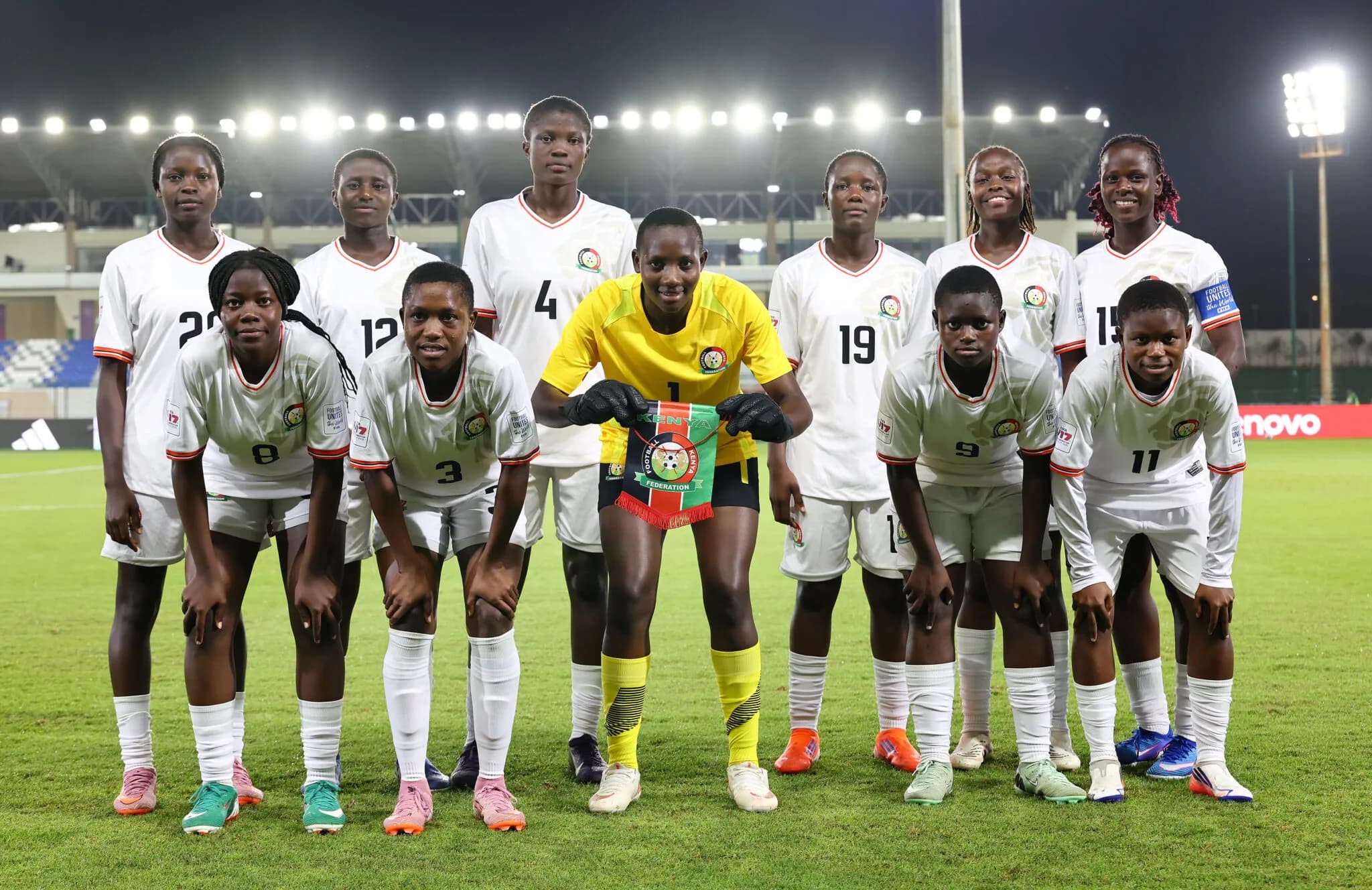
NAIROBI, Kenya, October 30, 2026 – As the historic World Cup journey of Kenya’s Junior Starlets comes to a close, head coach Mildred Cheche is already looking toward the horizon.
Following Thursday’s courageous 3-1 defeat to global powerhouse Japan in the Round of 16 at the FIFA U-17 Women’s World Cup in Morocco, Cheche reflected on a campaign that captured the nation’s imagination.
But alongside the pride of reaching the knockout stages, the trailblazing tactician delivered a clear, uncompromising message to the government and the federation, sustainable success on the world stage requires structural investment right here at home.
Against a technically polished Japanese side, the Junior Starlets left everything on the pitch.
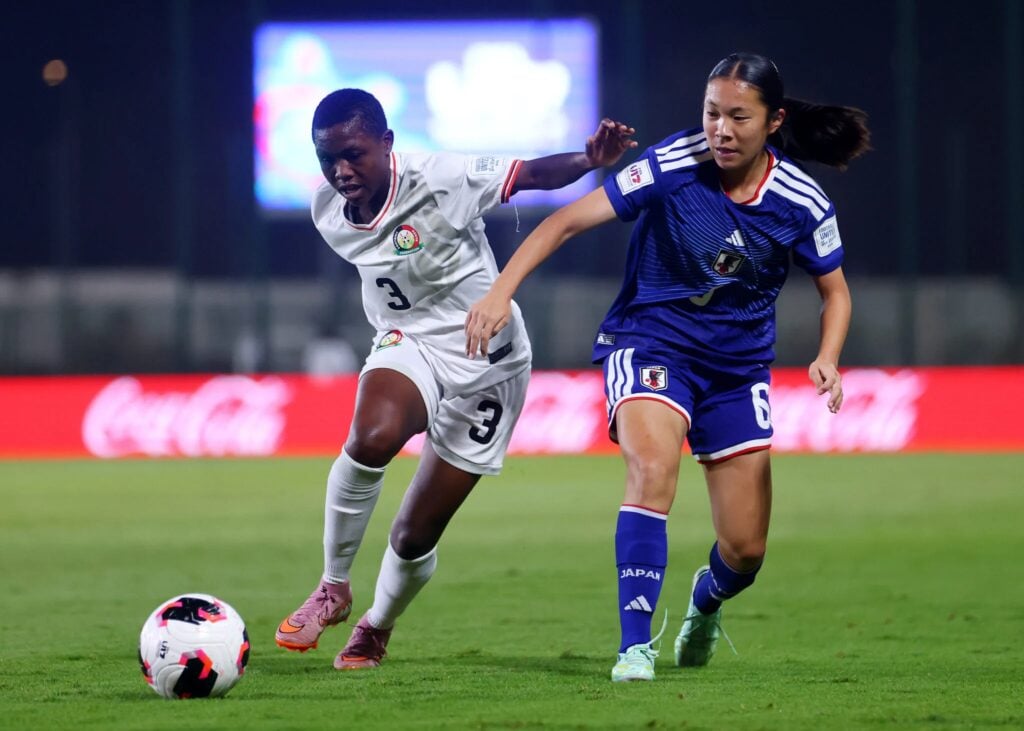
Kenya displayed defensive discipline and tactical compactness during a fiercely contested first half, keeping the game tightly balanced.
However, as fatigue set in during the second half, minor defensive lapses near the box allowed the clinical Asian heavyweights to capitalize.
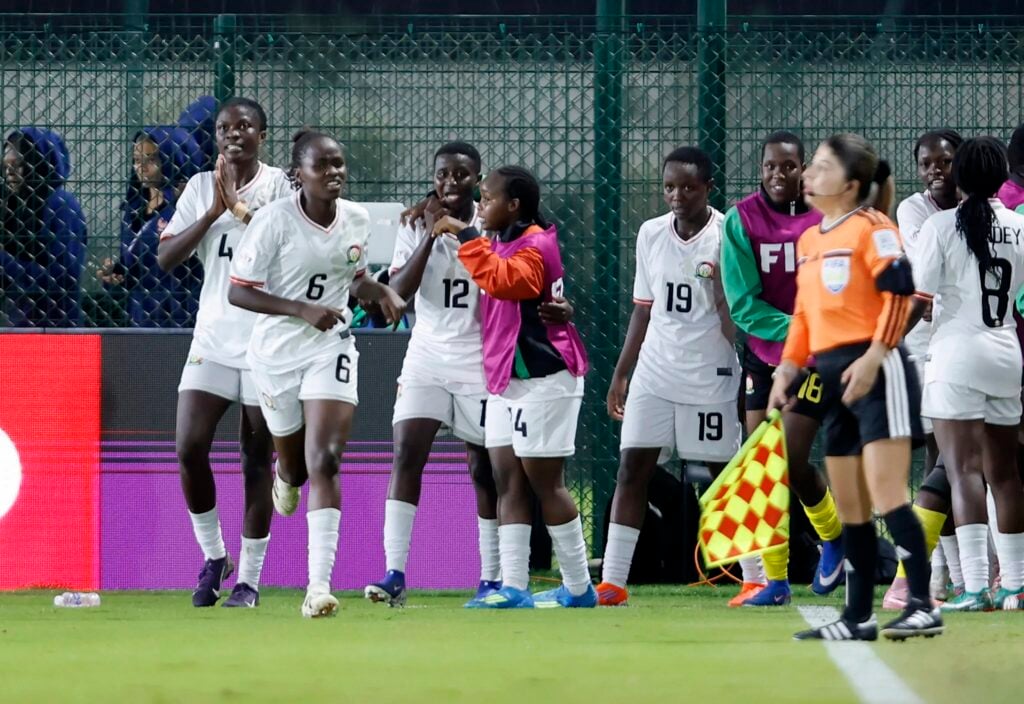
Despite the exit, Cheche expressed immense pride in how far her squad had traveled.
“We had a good game. Especially in the 1st half, they believe it was there. The team was compact, and I think they tried their level best in the second half. Most of them got a bit tired, and also we had a few mistakes around the box, and Japan utilized them. But so far, I’m really proud of the girls for this tour. It has not been easy, but they’ve given their best,” she said.
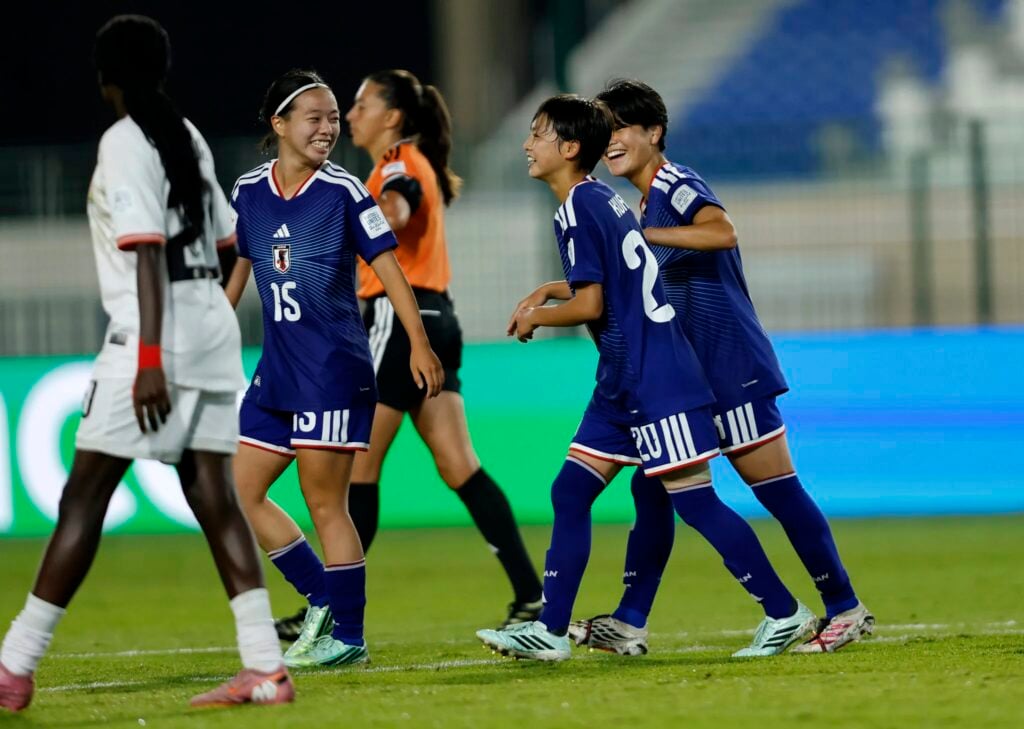
Reflecting on the overarching pre-tournament mandate, Cheche emphasized that the team successfully achieved their primary objective.
“Our main objective coming to this tournament was to go beyond the group stage, which we did. So I must commend the girls and the technical bench that we achieved our objective. Now we have to aim even higher, we try and qualify again next year, and also try to push even further,” the gaffer said.
Such structural reforms could soon find a wider platform.
Already, murmurs within local football circles point to upcoming announcement regarding a fresh women’s football strategy initiative dubbed “Building Her Game,” though full operational details remain hashed ahead of its official rollout.
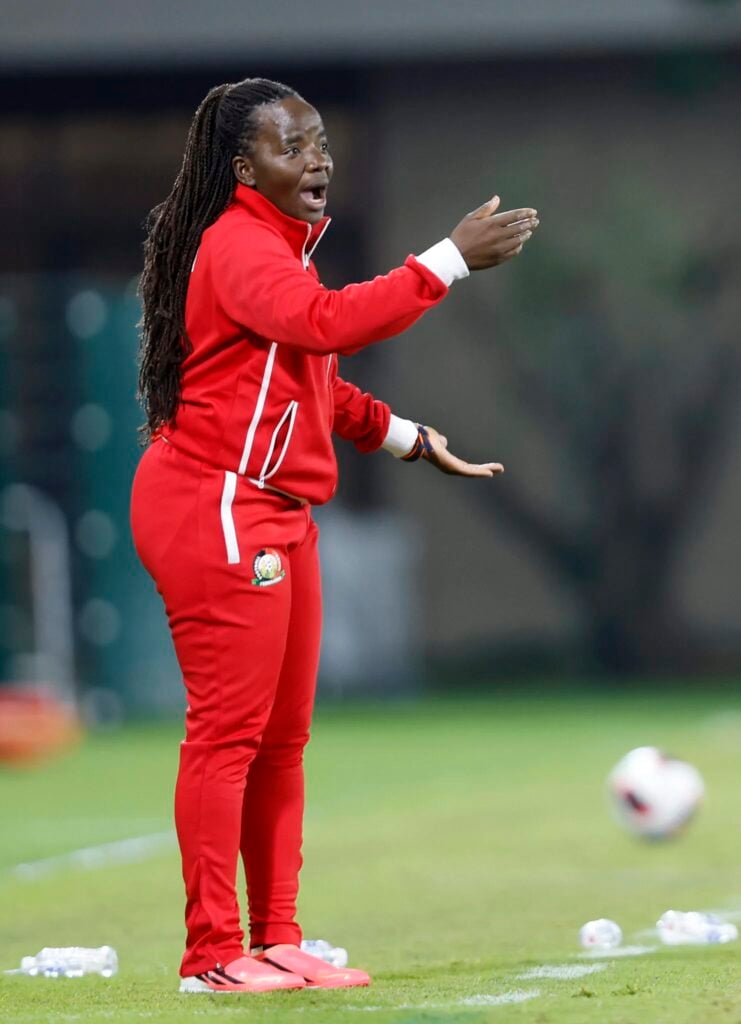
While celebrating a historic Round of 16 finish as a monumental milestone for Kenyan women’s football, Cheche pivoted sharply to the structural realities of competing against elite global nations whose youth pipelines operate year-round.
Highlighting the incredible support shown by Kenyan fans, many of whom stayed up late into the night to watch the matches online, Cheche stressed that fan backing must now be matched by institutional commitment from the Ministry of Sports and the Football Kenya Federation (FKF).
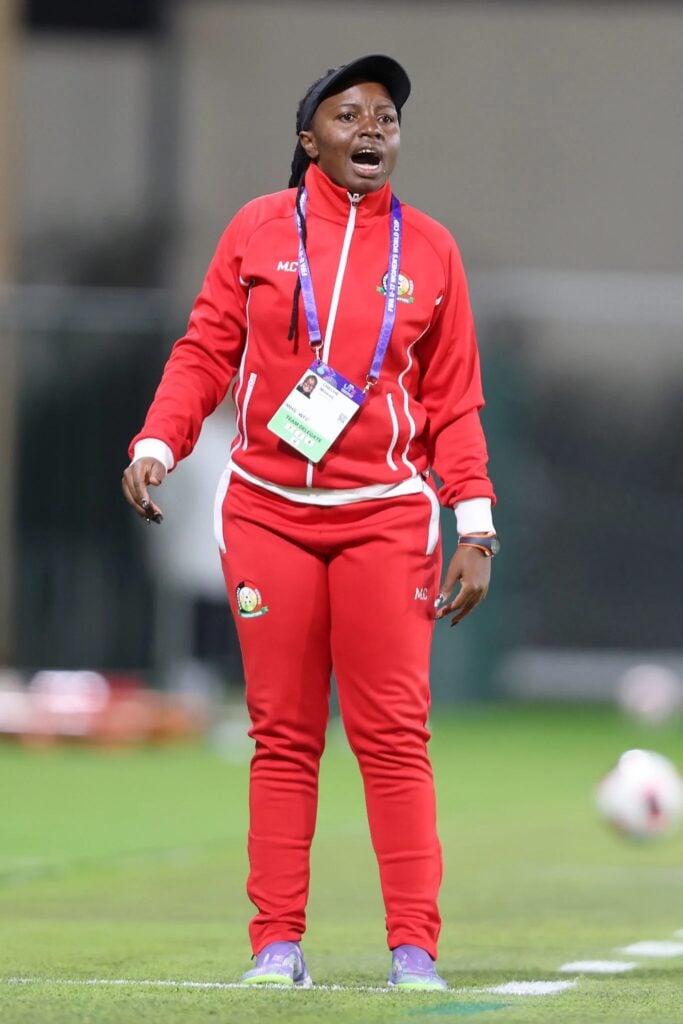
“The support from Kenyan fans is tremendous because we’ve seen most of them supporting our girls online, staying up late to watch our matches. And I think that is commendable for women’s football. We need all the support we can get. We need the right resources from the ministry and the federation to enable our girls to compete at this stage,” she stated.
To bridge the competitive gap between local talent and global superpowers, Cheche issued a direct call for systemic reform, spearheaded by the establishment of structured junior competitions.
“We are also calling on the government plus the federation to set up junior leagues whereby we can have our girls competing at the junior level, and also more exposure in terms of friendlies and tournaments for our girls so that we build a strong team,” she said.
With the tournament chapter closed, the technical bench has no time to rest.
Because of age-bracket progression, building for the future begins immediately with talent identification and rebuilding.
“Next for us is to go back to the drawing board. There’s a lot we’ve picked up from this year’s tournament, and also we go back to selection because now you have to select more players, as there are others who will not be able to play next year. So you have to again select a new team and build it to the level that they can play this World Cup,” she said.
If the Junior Starlets’ historic run in Morocco proved anything, it is that Kenyan girls have the talent, heart, and grit to shine on the world stage.
Whether the sports administration provides the foundational junior leagues and resources to turn those brief sparks into a sustained flame remains the defining question for the future of the game.



Comments
No comments yet. Be the first to share your thoughts.