
African leaders gather in Abidjan to reimagine borders, integration

The gathering draws on the African Union Border Programme (AUBP) of 2007, the Niamey Convention of 2014, and the 2020 AU Strategy for Better Integrated Border Governance.
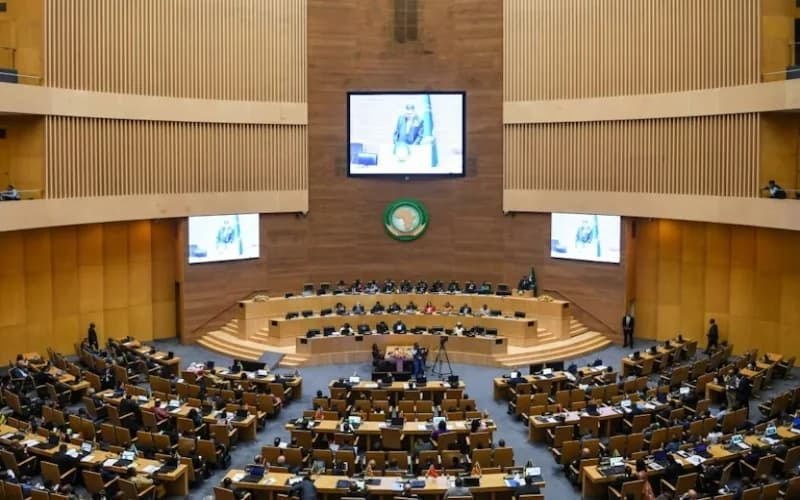
The African Union (AU) and the government of Côte d’Ivoire have convened the Third Edition of the Abidjan Border Forum (ABF), a critical gathering aimed at transforming Africa’s borders from zones of conflict into engines of peaceful coexistence and economic integration.
Kicking off today at the Abidjan Exhibition Centre, the three-day forum is being held under the auspices of Ivorian President Alassane Dramane Ouattara and AU Commission Chairperson Mahmoud Ali Youssouf.
The event was officially opened by Ivorian Prime Minister (PM) Robert Beugré Mambe, drawing more than 2,000 delegates, including policymakers, defence ministers, technical partners, and crucially, representatives of border communities themselves.
Under the theme “Border Communities: Culture, Integration and Security,” the forum is pushing back against the traditional view of borders as mere lines of separation. Instead, it is positioning border regions as vital economic corridors and cultural bridges.
The forum comes at a critical time for the continent. While the African Continental Free Trade Area (AfCFTA) promises a seamlessly integrated market, that vision cannot become reality if border towns remain marginalised, insecure, or disconnected from national development plans.
The AU is using the forum to address this head-on. Discussions over the next three days will focus on bridging the gap between regional regulatory frameworks and their actual implementation on the ground.
Latest Stories
- AU Chairperson Mahmoud Ali Youssouf calls for restraint, inclusive dialogue in DR Congo
- Kenyan English project seeks recognition as distinct language variety
- Opposition leaders demand justice for slain protesters on Mashujaa Day
- Paul Mackenzie’s son recounts week-long fast, three-hour beating at age 12
Key agenda items include leveraging culture to turn borders into bridges, enhancing cross-border security, and placing people at the heart of delimitation and demarcation processes.
The gathering builds on a solid institutional foundation. It draws on the African Union Border Programme (AUBP) of 2007, the Niamey Convention of 2014, and the 2020 AU Strategy for Better Integrated Border Governance.
The organisers are also looking to the past to inform the future. The first edition in 2022 focused on collective security and the role of women and youth in peacebuilding.
The second edition in 2024 pivoted to "green borders" and the intersection of shared natural resources and climate security. This year, the focus has shifted to the cultural and social dynamics that bind cross-border communities together.



Comments
No comments yet. Be the first to share your thoughts.