
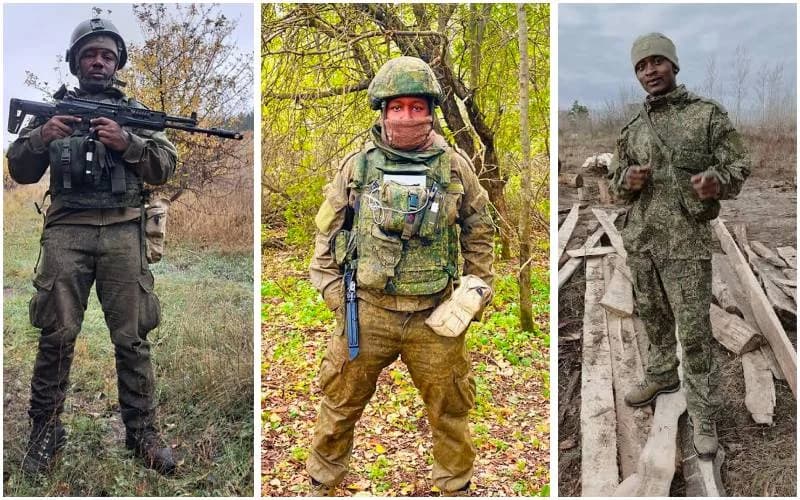
African leaders urged to raise recruitment of citizens into Ukraine war at Russia summit

Zimbabwe is among several African countries affected by the recruitment of nationals into the war, with similar cases reported in Kenya, Uganda, Cameroon, South Africa and Nigeria.
The Centre for Innovation and Technology (CITE) has urged African leaders attending the Third Russia-Africa Summit in Moscow to press Russian authorities over the recruitment of African citizens into the Russia-Ukraine war through alleged deceptive job offers.
The summit is scheduled to begin tomorrow and run until October 29, 2026.
In a statement, the Zimbabwe-based organisation said African nationals had travelled to Russia after being promised civilian employment, only to be given contracts they could not understand, stripped of their passports and phones, and sent to the front line after brief military training.
The organisation said the cases had left families across the continent searching for missing relatives, mourning those confirmed dead and seeking government assistance to establish the whereabouts of their loved ones.
“Families want to know if their relatives are alive, where they are, and when those who died will come home for burial. We hope our leaders will raise this with their Russian counterparts in Moscow,” said CITE director, Zenzele Ndebele.
Zimbabwe is among several African countries affected by the recruitment of nationals into the war, with similar cases reported in Kenya, Uganda, Cameroon, South Africa and Nigeria.
Latest Stories
- Police issue emergency contacts to report suspicious activities as KPSEA, KJSEA exams enter second day
- Uganda Law Society warns of rising cross-border repression after activist's abduction in Kenya
- Lamu families displaced by Shifta war demand land titles after missing out
- 19.5 million people face acute food insecurity in Sudan as famine risk grows
In February this year, a Kenyan intelligence report said 1,000 Kenyans were recruited to fight for Russia in Ukraine after being misled with false promises of jobs in Russia before being sent to the front lines.
In March, the government of Zimbabwe reported that 15 Zimbabweans had died after being recruited into the war, while 66 others remained in Russia.
CITE’s appeal comes after Zimbabwe’s Ministry of Foreign Affairs and International Trade collected DNA samples in Bulawayo on October 13 and 14 from relatives of citizens reported missing or dead in the conflict.
The organisation welcomed the exercise but said families were now seeking clarity on when the results would be available and when the remains of those who died would be repatriated for burial.
“On October 6, more than 30 Kenyan families met in Nairobi and asked President William Ruto to raise the issue at the summit. On October 15, Uganda's Parliament raised the matter. In Cameroon, where the government has confirmed the deaths of 16 citizens, families formed a group in August called ‘Bring Back Our Sons and Brothers’ to seek answers,” the organisation further notes.
An Amnesty International report released in September 2026 found that the recruitment of foreign nationals into the conflict amounted to human trafficking in many cases.
The organisation said cross-border recruitment networks required coordinated action by affected governments, a claim it said was further reinforced by the annual US Trafficking in Persons report.
While acknowledging the longstanding relations between African countries and Russia and their right to choose international partners, CITE said diplomatic engagement offered an opportunity to address the issue.
As such, the organisation called on African leaders to seek joint investigations into recruitment networks using fraudulent job offers, the sharing of verified information on citizens who are missing, detained or dead, and the safe repatriation of those wishing to return home.
It also urged Russian authorities to facilitate the return of the remains of deceased African nationals to their families and establish a clear mechanism for governments to share verified information with affected relatives.
CITE further called on the African Union (AU) and its member states to adopt a coordinated position on the issue.
The organisation said it would continue documenting cases and expressed hope that the summit would produce concrete commitments to help affected families establish the fate of their relatives.


Comments
No comments yet. Be the first to share your thoughts.