
Former envoys push for stricter rules on Kenya's diplomatic appointments

The arrangement is intended to maintain professionalism in the Foreign Service while allowing the government to bring in individuals with experience and expertise from other fields.
Parliament has been urged to tighten the rules governing diplomatic appointments, amid concerns that the proposed amendments to the Foreign Service law do not clearly define the qualifications, experience and standards expected of individuals entrusted with representing Kenya abroad.
According to the International Relations Society of Kenya (IRSK) and the Association of Former and Retired Ambassadors (AFRA), the proposed Foreign Service (Amendment) Bill, 2026, requires further clarification to strengthen accountability, professional standards and the quality of diplomatic representation.
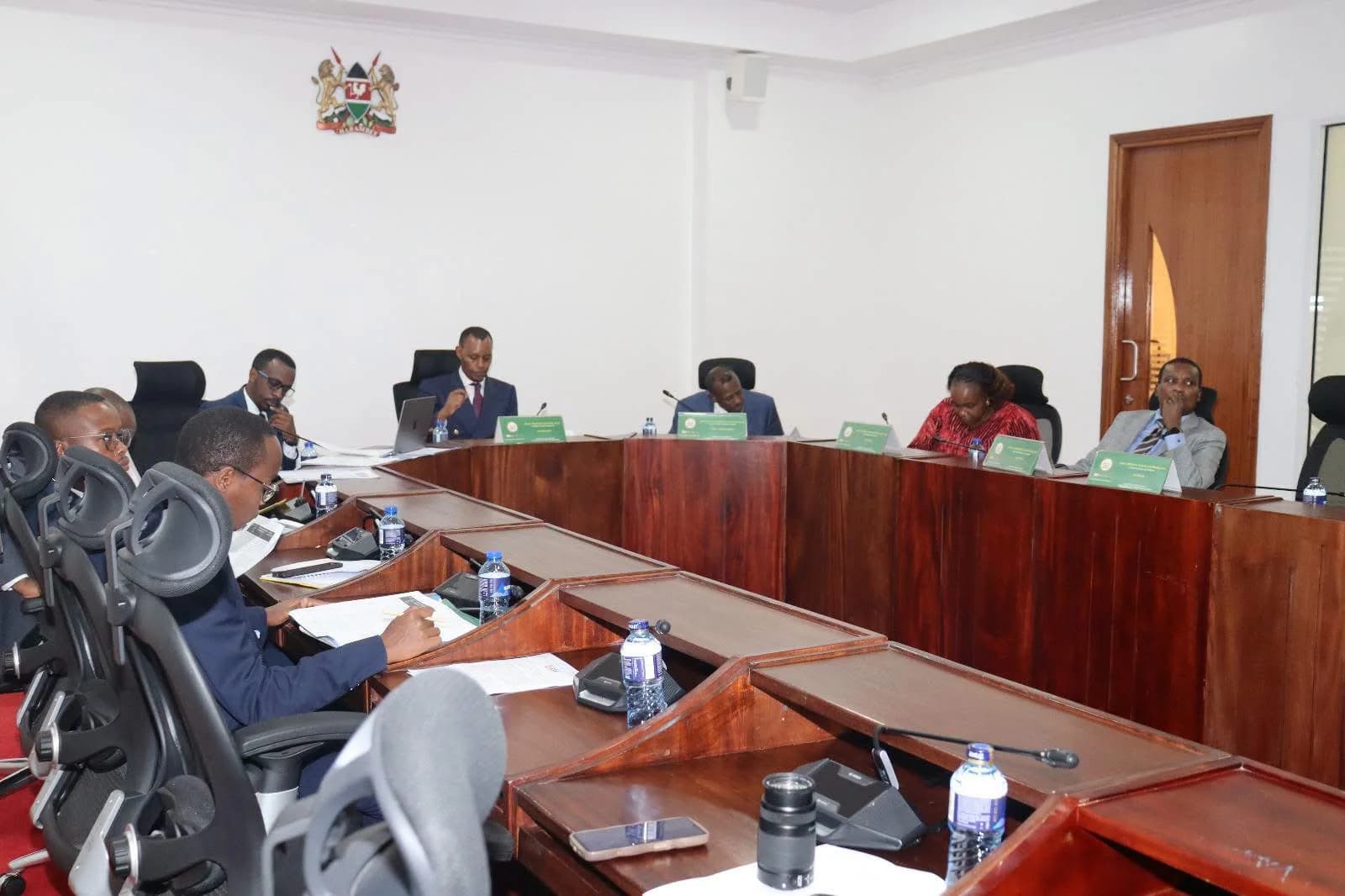
The two organisations presented their views before the National Assembly’s Departmental Committee on Defence, Intelligence and Foreign Relations, chaired by Belgut MP Nelson Koech, at Parliament Buildings on Tuesday.
More To Read
- EU appoints new envoy to Kenya as Somalia ambassador moves to senior Africa role in major diplomatic reshuffle
- Kenyan envoys present credentials as Ruto strengthens global diplomacy
- Ida Odinga urges leaders to stop dragging her into politics and ODM succession talks
- Ruto nominates ex-KRA boss Humphrey Wattanga as Kenya’s High Commissioner to South Africa
Presenting the IRSK’s submissions, its Head of Policy and Advocacy, James Muriithi Muiga, called for greater scrutiny of diplomatic appointments to ensure that those selected to represent Kenya in foreign countries have the necessary competence, experience, integrity and understanding of institutional continuity.
Muiga proposed that the Foreign Service Academy be given a central role in conducting diplomatic training to equip appointees with the knowledge, skills and understanding needed to handle diplomatic responsibilities.
The Society also questioned the proposed 70:30 formula, which seeks to ensure that at least 70 per cent of Kenya's diplomatic appointments go to career diplomats who have served in the Ministry of Foreign Affairs, while the remaining 30 per cent can be filled by individuals appointed from outside the professional diplomatic service.
Latest Stories
- 21 drivers arrested on Kakamega-Mumias Road over drunk driving, expired licences
- MPs fault foreign missions over poor support for Kenyans in Gulf
- Adam Hamilton becomes first Kansas Democrat elected to US Senate since 1932, in major blow to Trump
- Keisha Lance Bottoms becomes first US Black woman governor
The arrangement is intended to maintain professionalism in the Foreign Service while allowing the government to bring in individuals with experience and expertise from other fields.
However, the IRSK raised concerns over the wording of the proposed Foreign Service (Amendment) Bill, 2026, arguing that it does not clearly establish whether the 70 per cent threshold is a minimum requirement or a maximum limit.
The Society wants Parliament to expressly state that career diplomats must account for at least 70 per cent of diplomatic appointments, with non-career appointees making up no more than 30 per cent.
It pointed out that the proposed legislation does not explain the group of appointments against which the percentages will be calculated or how the formula will be applied.
“The Bill does not state the population against which the percentages are calculated, whether the ratio applies to each nomination, each appointment cycle, or all serving representatives, the measurement period or how fractions, acting appointments, vacancies, recalls and retirements are treated,” Muiga said.
The organisation further called for clarification on the requirement that an individual must have served in the Ministry for at least ten years to qualify for appointment as a career diplomat.
It wants the Bill to specify whether the ten years must be completed through continuous service or can be accumulated over different periods.
The Society also wants clarity on whether authorised secondments, service outside the Ministry’s headquarters and official assignments to international organisations will count towards the required ten years.
Meanwhile, AFRA expressed support for the proposed amendments but recommended additional measures to strengthen the definition and qualification requirements for career diplomats.
The Association proposed that a career diplomat should be defined as a permanent Foreign Service officer who has completed at least fifteen years of continuous service and attained a minimum rank of Director or Minister Counsellor.
AFRA also called for structured engagements involving the Ministry, retired ambassadors and the Foreign Service Academy to support mentorship and the transfer of knowledge and experience.
According to the Association, such engagements would provide retired diplomats with an opportunity to share their experience with serving career officers while preparing incoming non-career appointees for the demands and responsibilities of diplomatic service.
The Committee will continue to receive submissions from various stakeholders before preparing its recommendations for presentation to the National Assembly.



Comments
No comments yet. Be the first to share your thoughts.