
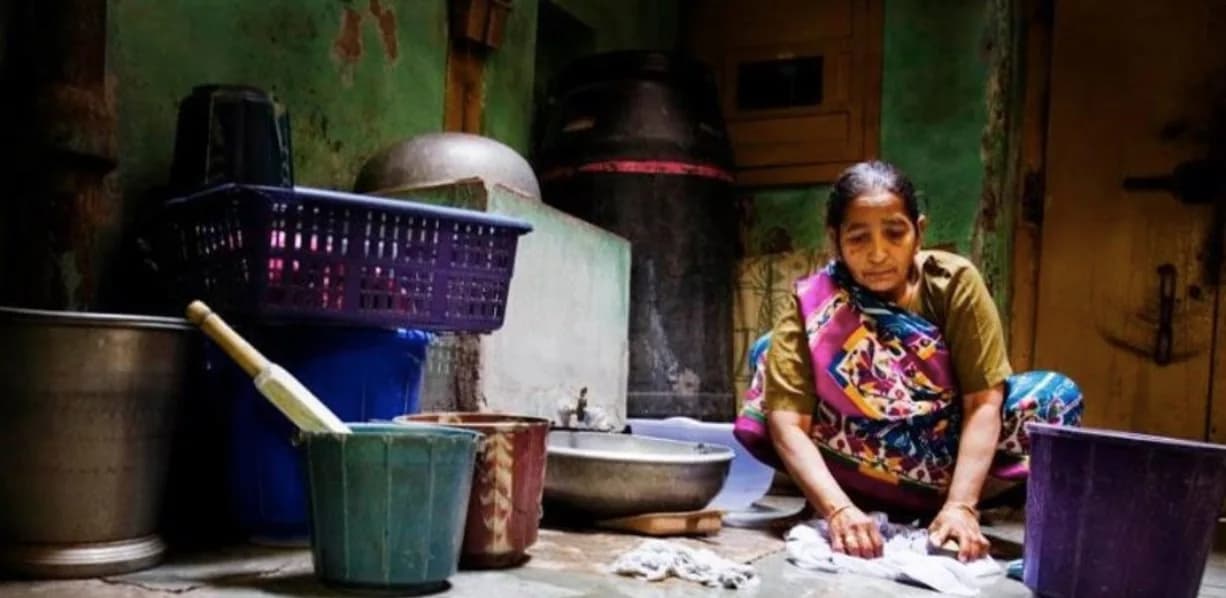
ILO: Over 83 per cent of domestic workers globally still in informal jobs

Africa faces a particularly difficult situation, with 93.3 per cent of domestic workers on the continent working informally.
More than 83 per cent of domestic workers worldwide remain in informal employment, often without effective labour and social protection, new estimates from the International Labour Organisation (ILO) have shown.
The findings are contained in a report titled The State of Domestic Work in 2025: 15 Years After Convention No. 189, which examines working conditions in the sector since the adoption of the ILO Domestic Workers Convention in 2011.
The report estimates that 66.5 million of the 80 million domestic workers worldwide were informally employed in 2025. Although informality declined or remained stable in 91 of the 140 countries with comparable data, the global number of domestic workers in informal employment increased by 5.1 million between 2019 and 2025.
Africa faces a particularly difficult situation, with 93.3 per cent of domestic workers on the continent working informally. The continent also recorded the largest increase in the number of domestic workers over the period, adding 4.2 million.
The report also highlights the low wages earned by domestic workers. On average, they receive 53.3 per cent of the monthly wages of other employees, down from 56.4 per cent in 2019. Informal domestic workers earn even less, receiving just 48.7 per cent of the average monthly wages of other employees.
“Progress in many countries shows that change is possible. But with more than 66 million domestic workers still in informal employment and their wages falling further behind those of other employees, much more needs to be done,” said Patrick Belser, chief of the ILO’s Informal Work Branch.
Latest Stories
- Allied Democratic Forces fund operations in eastern DRC through gold smuggling, kidnappings - report
- Lamu County puts Kenya on African leadership awards map with two nominations in 2026 contest
- Study warns of pathogen risks from healthcare handbasins
- UN agency pushes global plan to cut flight delays, emissions
Women also face a greater disadvantage, making up 77.2 per cent of domestic workers worldwide and earning an average of 48 per cent of the monthly wages of other employees. Male domestic workers earn 65.8 per cent of the average wages of other employees.
Working hours are another concern, with 35.2 per cent of domestic workers putting in at least 49 hours a week. Some 14.6 per cent work 60 hours or more, while others work very short hours, potentially because they cannot find enough work or must divide their time between several households.
The ILO is urging governments to make it easier for domestic workers to register for formal employment and access social protection, enforce minimum wage requirements and protect workers from excessive hours. It also recommends recognising their skills and strengthening collective bargaining to improve pay and working conditions.
“We cannot claim to value care while undervaluing the people who provide it. We must turn the rights set out in ILO Convention No. 189 into reality, ensuring fair wages, social security, decent working conditions and effective protection for all domestic workers,” Belser said.



Comments
No comments yet. Be the first to share your thoughts.