
Russia, African Union sign new cooperation framework at Moscow summit

The 2027–2029 Plan of Action is not just about trade; it is a sweeping strategic document designed to touch almost every sector of African development.
The Kremlin has formalised its deepening embrace of the African continent. But it has done so with a distinctly Russian twist: all the diplomatic optics, with none of the legal liability.
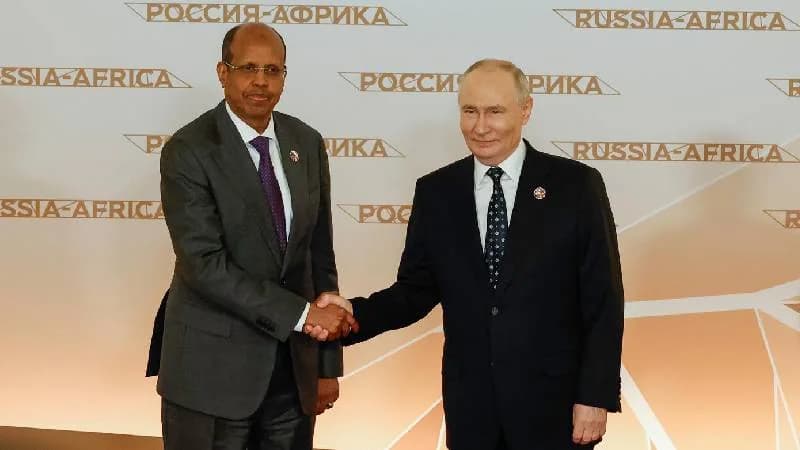
On the sidelines of the 3rd Russia-Africa Summit in Moscow, African Union Commission Chairperson Mahmoud Ali Youssouf and Russian Foreign Minister Sergey Lavrov signed the Russia–African Union Commission Plan of Action for 2027–2029.
The signing was followed by a high-level audience with President Vladimir Putin, cementing a new era of institutional cooperation.
But amidst the handshakes and state dinners, the AU quietly attached a crucial caveat: the document is a cooperation framework, not a legally binding agreement. It creates no rights or obligations under international law. It is a blueprint.
The 2027–2029 Plan of Action is not just about trade; it is a sweeping strategic document designed to touch almost every sector of African development.
Latest Stories
The framework builds on rapidly expanding economic realities. Agriculture is the engine.
According to the Ecofin Agency, Russian agricultural exports to Africa surged by 35 per cent in the first half of 2026, reaching $2.9 billion.
Egypt, Sudan, and Kenya, whose President, William Ruto, is in Moscow this week, are ranked among the leading destinations for these shipments. But the partnership extends far beyond wheat and fertiliser.
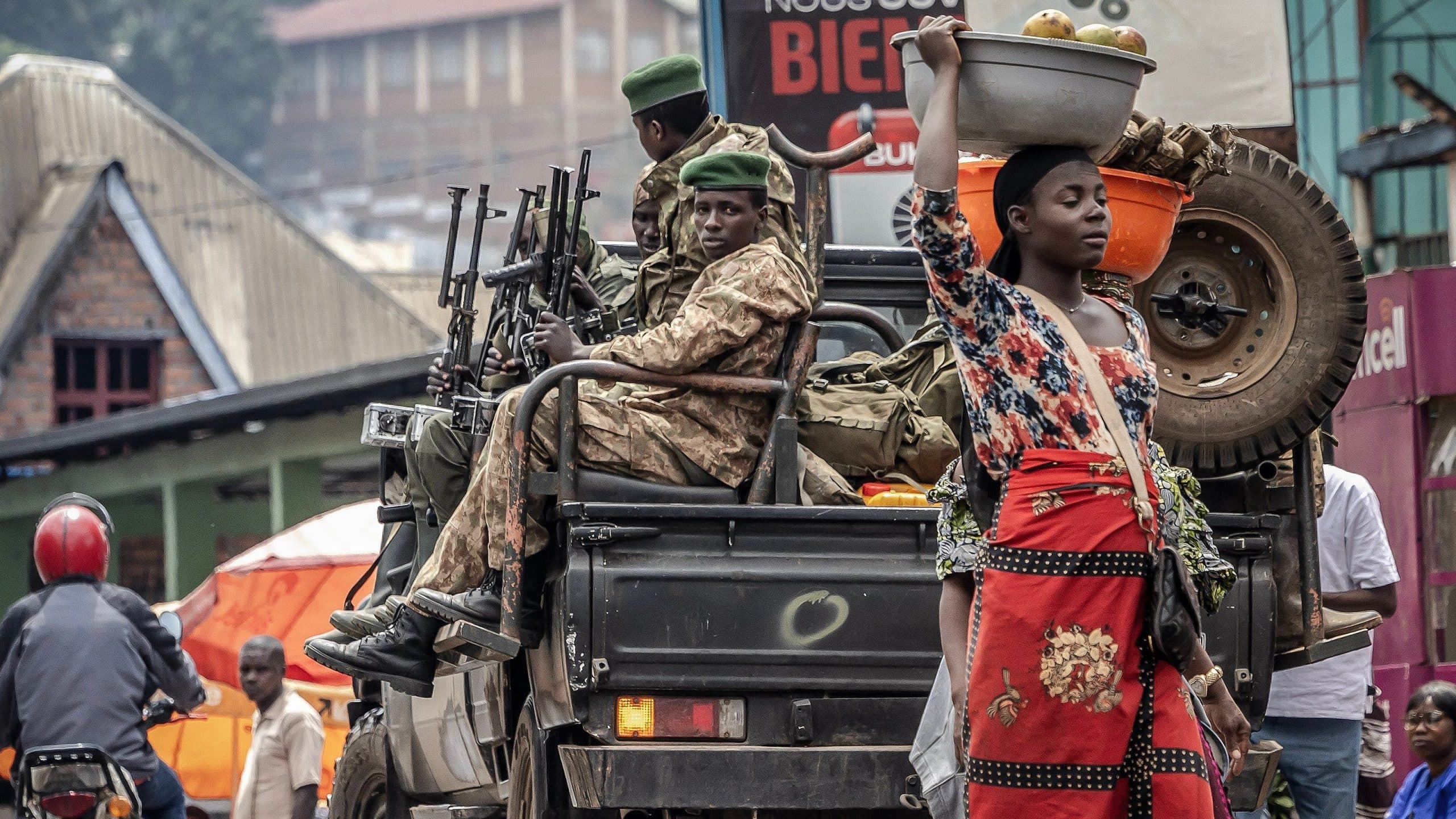
The most significant and often controversial component of the relationship is military cooperation. The plan includes expertise sharing and joint security initiatives.
According to the Swedish Defence Research Agency (FOI), Russia had concluded at least 57 intergovernmental military cooperation agreements with 39 African countries by March 2026.
Furthermore, the Stockholm International Peace Research Institute (SIPRI) reports that Russia accounted for 15 per cent of African imports of major arms systems between 2021 and 2025.
While the United States (US) leads with 19 per cent and China with 17 per cent, Russia's dominance in the Sahel and Central Africa is undeniable.
For Moscow, security cooperation is the gateway. It secures access, entrenches influence, and builds trust that translates into diplomatic leverage at the United Nations (UN).
Comments
No comments yet. Be the first to share your thoughts.