
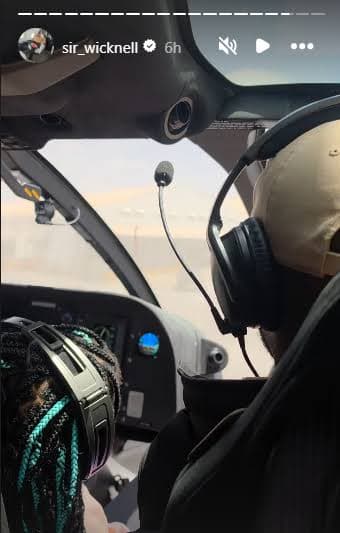
The world of Zimbabwean high society was rocked this week by the devastating news of a helicopter crash in the Marondera Rural area, a tragedy that claimed the lives of prominent businessman Wicknell Chivayo, his wife Lucy “Lulu” Muteke, and four others.
The crash, which occurred around 5 p.m., left no survivors and has left a nation in mourning.
As details emerge, one crucial question for aviation experts and the public alike is: what type of aircraft was involved in this fatal accident?
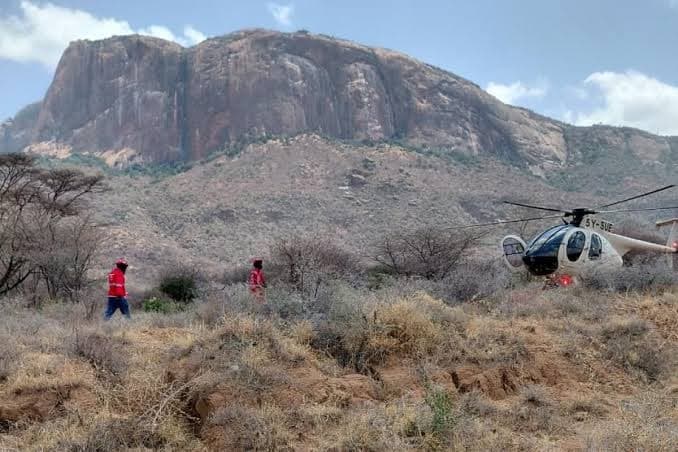
According to multiple reports and statements from the Zimbabwean government, the helicopter was a private aircraft linked to Chivayo. While official investigations are still in their early stages, the specific model has been widely identified as the Airbus H120 (formerly known as the Eurocopter EC120) Colibri.
This isn’t a random aircraft. The H120 Colibri is a single-engine, light utility helicopter that was designed for mission flexibility. It’s a popular choice for private owners and charter companies due to its reputation as a reliable and cost-effective light helicopter.
To understand the context of the tragedy, here are the key specifications of the Airbus H120 Colibri:
Manufacturer: Originally designed and built by Eurocopter, it is now part of the Airbus Helicopters product line.
Capacity: It typically seats one pilot and up to four passengers, making it a comfortable and versatile choice for private travel.
Engine: It is powered by a single Turbomeca Arrius 2F turboshaft engine, which delivers a maximum takeoff power of 376 kW (504 shp).
Performance: It has a fast cruise speed of around 223 km/h (120 knots) and a range of approximately 710 km (383 nautical miles).
Key Features: The Colibri is known for being one of the quietest helicopters in its class, thanks to its third-generation Fenestron® tail rotor. It also features a bearingless Spheriflex® main rotor and a crashworthy fuel system, designed to enhance safety.
The H120 Colibri holds the distinction of being the only single-engine helicopter to meet the requirements of the new FAR/JAR 27 safety regulations, which include energy-attenuating seats and fuel structures. It was, by all accounts, a modern and well-regarded light helicopter.
While the H120 Colibri is not a frequent name in major global crash headlines, it has been involved in several incidents over the years. A review of available accident reports shows a range of incidents, from minor accidents to fatal crashes, often related to specific operational circumstances.
2018, Australia: A Eurocopter EC120 Colibri, operating a tourist flight, crashed into the sea near the Whitsunday Islands, resulting in two fatalities.
2013, Portugal: An EC120B Colibri crashed after colliding with power lines in Marmelete, Portugal.
2006, Poland: An EC120B Colibri was involved in an accident in Zgierz, Poland.
It’s important to note that these incidents are not indicative of a systemic flaw with the aircraft.
The H120 has been in service for decades, with hundreds flying worldwide, and its safety record is generally comparable to other single-engine helicopters in its class.
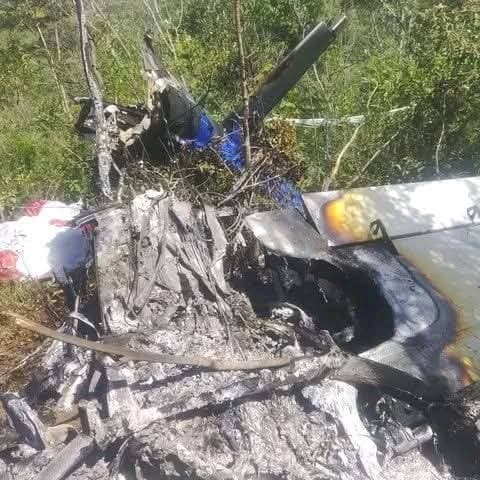
The crash that took Wicknell Chivayo’s life is now the subject of an official investigation. The wreckage was found in a remote area, and authorities have not yet released a cause for the accident.
What is certain is that a high-profile figure, his wife, and four others lost their lives in an aircraft that was designed for safety and reliability.

Comments
No comments yet. Be the first to share your thoughts.