
Escalating fighting deepens drought crisis in Tigray as farmers face mounting hardship, agriculture bureau remains inactive

The disruption has raised concerns over the government’s capacity to respond to the ongoing drought, which is severely affecting farmers’ livelihoods and agricultural production across Tigray.
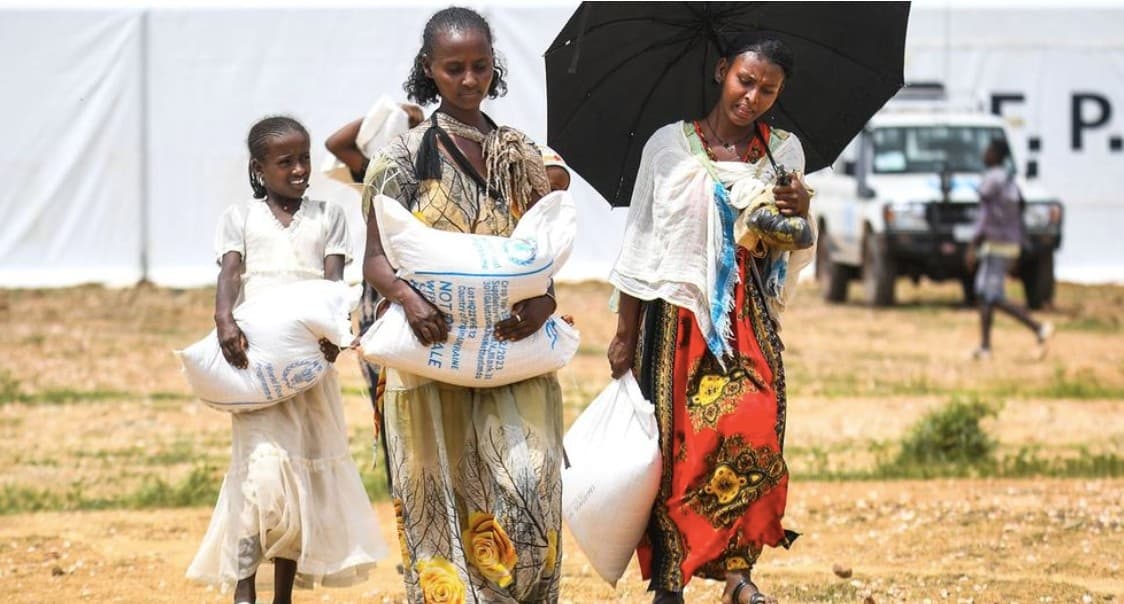
Renewed fighting in Tigray is compounding the effects of severe drought, leaving farmers struggling with crop failures, livestock deaths and worsening food insecurity, while disruptions to regional agricultural administration have undermined efforts to respond to the crisis, local officials and farmers told Addis Standard.
Addis Standard has learned that several regional government bureaus in Tigray, including the Tigray Bureau of Agriculture and the Tigray Disaster Risk Management Commission, have become non-functional amid escalating fighting in the region.
The disruption has raised concerns over the government’s capacity to respond to the ongoing drought, which is severely affecting farmers’ livelihoods and agricultural production across Tigray.
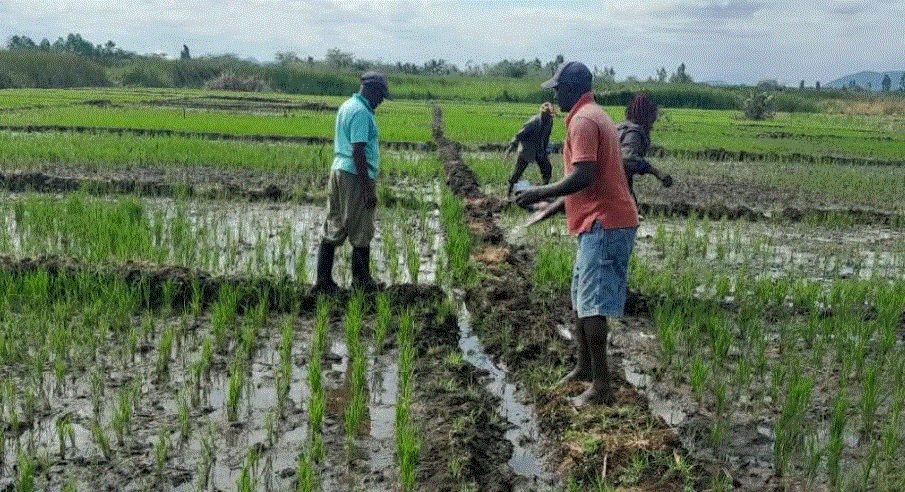
In Raya Azebo woreda in southern Tigray, delayed rainfall has severely affected agricultural production, with farmers reporting failed planting, damaged crops and dwindling water supplies.
The escalation of fighting has further disrupted local efforts to support affected communities, according to Zomu Haftu, Raya Azebo woreda’s horticulture coordinator.
The crisis comes amid broader concerns about deteriorating food security in parts of Tigray. The Famine Early Warning Systems Network (FEWS NET), in its September 2026 January 2027 Ethiopia update, warned that crisis-level food insecurity, classified as Phase 3 of the Integrated Food Security Phase Classification (IPC), was expected to persist in parts of southern and eastern Tigray, as well as East and West Hararghe.
Latest Stories
- African countries could save billions by cutting air pollution and greenhouse gases at the same time
- Nominated Senator Crystal Asige joins Winnie Odinga and Jalang’o in Nairobi Senate race
- Tusker FC suffer home defeat as Singida strike puts CAF Confederation Cup hopes at risk
- Ecuadorian priest dies after giant wooden crucifix crashes down on him during live-streamed Mass
FEWS NET attributed the worsening outlook to escalating fighting, delayed crop development and expectations of a below-average meher harvest, further straining households already struggling to access food and essential goods.
Delayed rainfall devastates crops in Raya Azebo
According to Zemo Haftu, Raya Azebo has more than 26,000 hectares of farmland, of which over 15,000 hectares were cultivated. However, delayed rainfall severely affected crop development, with only around 400 hectares reportedly showing crop growth.
Zemo said approximately 10,000 hectares remained uncultivated because the expected rains did not arrive in May, while seeds planted in other areas either failed to germinate or were damaged by the lack of rainfall.
Before fighting escalated, the woreda administration had been working closely with farmers to identify ways to mitigate the effects of the drought. However, the deteriorating security situation has severely constrained those efforts.
“We couldn’t support the farming community. They are in severe danger,” Zemo said.
He explained that the woreda had developed measures to help farmers cope with the crisis. One approach was to promote self-reliance by encouraging households in relatively better circumstances to support those facing the most severe difficulties.
Another measure focused on expanding irrigation to save cultivated crops and seeking assistance from government institutions and humanitarian organizations. However, Zemo said support remained limited and insufficient to meet the needs of the most vulnerable households.
“We have been trying our best,” he said, adding that the escalation of fighting had further undermined the administration’s ability to respond.
Zemo said a new administration had recently begun emerging in the woreda, raising hopes that officials would resume work and provide urgent assistance to people affected by the drought.
“We are expecting new direction,” he said, warning that prolonged inaction could leave people at risk of starvation.
According to Zemo, an earlier assessment indicated that at least 70 per cent of the woreda’s population faced serious drought-related risks. No new assessment had been conducted since the fighting escalated, he added.
Water availability for irrigation has also declined in different areas as the drought has intensified, further threatening the limited crops that survived.
"We have lost three farming seasons without producing crops due to the delayed rainfall since last year," Shek Mohammod.
Shek Mohammod Zeyinu, a farmer from Genete Tabia in Raya Azebo woreda, said the area, once known for its agricultural productivity and its contribution to supplying agricultural products across Tigray, has suffered a severe decline in production, leaving farmers struggling to feed their families.
“We have lost three farming seasons without producing crops due to the delayed rainfall since last year,” Shek Mohammod said. Farmers in Raya Azebo traditionally cultivate crops up to three times a year, depending on rainfall patterns and weather conditions. However, successive seasons of failed or inadequate rainfall have left their farmland unproductive.
According to Shek Mohammod, before the fighting escalated, investors and other stakeholders attempted to address the growing crisis. However, the scale of vulnerability and the number of people requiring humanitarian assistance far exceeded the available support. He said the situation has deteriorated further as fighting intensifies.
“We are afraid that many people could die within a short period of time,” he said, warning that urgent humanitarian intervention is needed to prevent further suffering and loss of life.
The farmer said declining water levels have also made irrigation increasingly difficult, further limiting farmers’ ability to sustain agricultural production. He warned that without immediate humanitarian assistance, both people and livestock would face increasingly severe consequences as drought conditions persist.
“I have witnessed many droughts, but I have never seen a drought of this magnitude in my lifetime,” Shek Mohammod said. He explained that during previous droughts, farmers could still purchase food from local markets, despite inflation. The current situation, however, has left them unable to afford basic food supplies because prices have risen sharply while their agricultural production has collapsed.
He added that many farming households have exhausted their financial resources after going nearly a year without a meaningful harvest. Without marketable crops, farmers have been unable to generate income to purchase food and meet their families’ basic needs.
Livestock, another critical source of livelihood for farming households in Raya Azebo, are also facing severe threats. Shek Mohammod said animals are increasingly affected by shortages of fodder and disease associated with deteriorating living conditions. Farmers are struggling to sell their livestock because prices have fallen sharply and buyers are scarce, while a significant number of animals are reportedly dying.
Shek Mohammod called on the government to take immediate action to address the worsening humanitarian situation in the woreda, warning that delays could lead to further deaths and displacement.
“I urgently appeal to the government to address this situation. Hunger does not wait. Immediate attention is needed before more people are displaced or die. Raya Azebo has a large number of livestock, and these animals are essential to our survival. This situation requires an urgent solution,” he said.
He added that farmers are living in distress and fear of losing whatever assets and livelihoods they have managed to preserve amid successive crop failures, worsening food insecurity, and escalating fighting.
“Farmers are in distress and fear that they could lose everything they still have,” Shek Mohammod said.
Livestock losses, food shortages push families toward desperation
In Irob woreda, farmers are facing similar hardships as prolonged rainfall shortages threaten their livestock and access to food and water.
Aynabugs Weldu, a farmer and father of seven, told Addis Standard that his family was struggling to survive as livestock died from a lack of fodder and water.
“We didn’t get rain at the right time. Our livestock are dying of hunger,” he said.
Aynabugs said the drought had become increasingly visible across farming communities, with some residents going door to door in search of food. He described the deaths of livestock and the lack of adequate humanitarian support for women and children as particularly distressing.
Before the latest escalation of fighting, humanitarian assistance had reached some of the most vulnerable residents, although it was already insufficient. Aynabugs said that assistance had since stopped, leaving families with fewer options for survival.
He said there had been no rainfall in his area since June. Although he had cultivated some land, his family depended primarily on livestock for its livelihood.
Aynabugs said he previously owned 25 livestock but had lost 20, leaving him with only five.
“It is hard to accept. Those livestock are our life. We have no other means of survival,” he said.
Access to water has become another major challenge. Aynabugs said residents sometimes walked for hours in search of water, without any guarantee that they would find enough to meet their needs.
He also described worsening food shortages, saying his family had previously eaten three times a day but was now fortunate to secure a single meal.
“After we take patients to the hospital, doctors say the cause is hunger,” he said, describing the hardship facing his household and others in the community. He added that many residents were in even greater need of urgent assistance.
Regional agriculture bureau struggles to function
The disruption extends beyond individual woredas. Abera Kedenew, former deputy head of the Tigray Bureau of Agriculture, told Addis Standard that the bureau had been unable to function normally since the escalation of fighting.
According to Abera, most senior management personnel were no longer available, while the remaining employees were primarily safeguarding the bureau’s premises. Formal office operations had yet to resume, he said.
He described the situation in southern Tigray and other affected areas, including the northwest, as increasingly severe, with farms, particularly those growing millet, suffering from insufficient rainfall.
Before the escalation, Abera said, the bureau had introduced measures to help farmers cope with the delayed rains and protect their livelihoods.
These included encouraging community-based support, prioritising the survival of livestock and working with humanitarian organisations to provide animal feed and veterinary medicines, including vaccines.
He said farmers had repeatedly emphasised the importance of protecting their livestock, which represented their principal source of livelihood.
Abera also said the bureau had prepared farmers for the possibility of late-season rainfall in October and November by encouraging them to plant crops that could mature within a shorter period, including chickpeas and barley. The bureau had distributed more than 2,000 units of chickpea seed, he added.
Another strategy involved supplementary irrigation through collaboration with farmers and investors. According to Abera, the bureau had sent more than 80 motor pumps to woredas to help farmers irrigate their fields, particularly in areas with accessible water sources.
However, these measures were developed before fighting escalated, and the bureau’s current operational constraints have made it difficult to continue implementing them.
Abera warned that continued disruption would likely worsen livestock deaths, increase illness and deepen food shortages among farming households.
“If things continue like this, the consequences will be severe,” he said, emphasising the urgent need to restore the bureau’s operations and provide essential assistance to affected farmers.
He called on the federal government to intervene urgently, saying farmers needed assistance regardless of the wider political situation.
“The situation is directly connected with farmers’ lives. There is no need for other political considerations; everyone should return to work to save the lives of farmers,” Abera said.
Conflict threatens to deepen food insecurity
The deterioration in Tigray comes as conflict-related disruptions and rainfall deficits continue to place pressure on food supplies and rural livelihoods across parts of Ethiopia.
In its September 2026–January 2027 outlook, FEWS NET warned that Crisis (IPC Phase 3) food insecurity was expected to persist in parts of southern and eastern Tigray, lowland areas along the Tekeze River catchment, and East and West Hararghe.
The network said renewed fighting, concentrated in parts of Central, South, Southeast and East Tigray, as well as areas of Amhara and Afar, had disrupted fuel supplies, transportation and market activity, limiting access to food and other essential commodities.
The conflict also threatens to delay an already late harvest. In Tigray, many meher crops remained in late growing and flowering stages, despite harvesting normally approaching or beginning around this period. The delay of at least a month in the green harvest has left poorer households dependent on market purchases for longer, even as their ability to afford food remains limited.
For farmers in drought-affected communities, the combination of failed crops, livestock losses, limited humanitarian assistance and disrupted public institutions has narrowed their options for survival.
In a rapid joint multisectoral mid-season assessment conducted between 17 and 31 August by the Tigray Disaster Risk Management Commission, in collaboration with the Ethiopia Disaster Risk Management Commission, the Tigray Bureau of Agriculture and humanitarian partners. The assessment found that both the Azmera and Tsidia/Meher rainy seasons performed substantially below normal.
The assessment covered 32 woredas and 48 tabias across the Central, Northwestern, Eastern, Southern and Southeastern zones, with additional field observations conducted in 144 tabias.
The assessment found that rainfall was characterised by delayed onset, low amounts, uneven distribution and prolonged dry spells. The Tsidia/Meher rains, which normally provide most of the rainfall supporting crop production in the region, performed worse than the Azmera season.
With the agricultural bureau struggling to resume normal operations and no updated drought assessment available in Raya Azebo since the fighting escalated, local officials and farmers are warning that urgent intervention is needed to prevent further deterioration in an already critical situation.


Comments
No comments yet. Be the first to share your thoughts.