
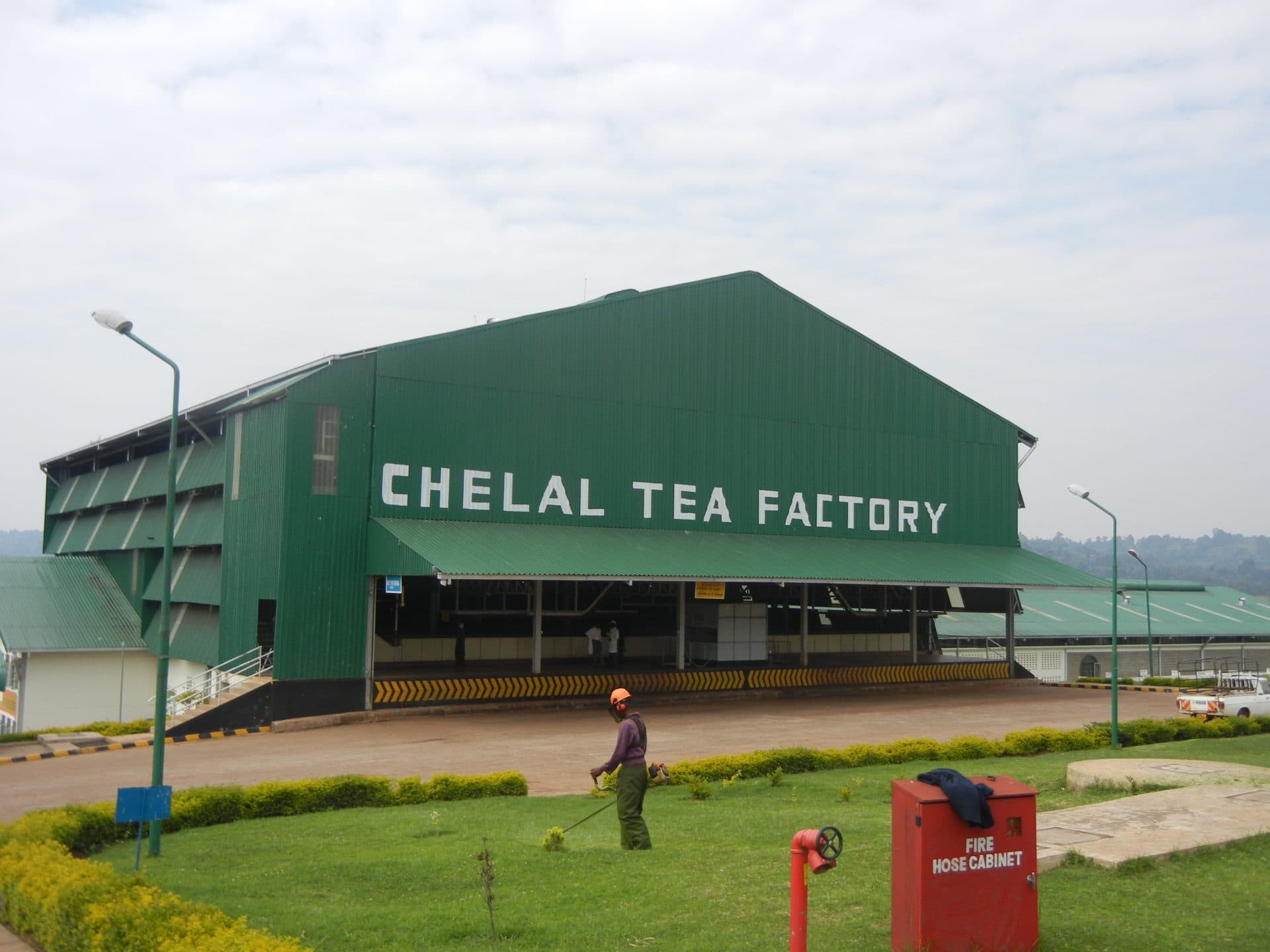
Kenya’s tea sector recorded a marked improvement in export earnings in 2025, with the value of tea exports rising to Sh186.9 billion as government reforms continued to reshape the industry.
Data from the Tea Board of Kenya (TBK) shows that earnings have climbed steadily over the past four years, rising from Sh136.5 billion in 2021 to Sh181.6 billion in 2024 before reaching the latest high.
Tea production has also remained substantial, although output fell from the 2024 level. The country produced 537 million kilogrammes of tea in 2021, increasing to 598 million kilogrammes in 2024 and 550 million kilogrammes in 2025.
TBK chief executive Willy Mutai said the measures introduced over the past four years were beginning to translate into improved returns for growers, particularly through higher payments for green leaf.
The average green leaf payment rose from Sh35 per kilogramme in 2021 to Sh64 in 2024, before settling at Sh56 per kilogramme in 2025.
“Total tea production increased from 537 million kilogrammes in 2021 to 598 and 550 million in 2024 and 2025, respectively. Export earnings increased from Sh136.5 billion in 2021 to Sh181.6 and Sh186.9 billion in 2024 and 2025 respectively,” he said.
The government has set a target of raising farmers’ earnings to at least Sh100 per kilogramme by next year. The strategy includes improving tea quality, cutting production expenses, expanding value addition and creating more competitive avenues for selling tea, alongside strengthening the voice of farmers in the sector.
Agriculture Cabinet Secretary Mutahi Kagwe said the reforms were aimed at creating a tea industry capable of delivering stronger and more reliable incomes to growers while maintaining Kenya’s competitiveness in the international market.
“Tea is the backbone of many rural economies in Kenya. Hundreds of thousands of households depend directly or indirectly on tea for their livelihoods.
“When tea prices are stable and remunerative, families can educate their children, access healthcare, invest in their farms and contribute to local economic development,” he added.
Kagwe said broadening Kenya’s export destinations was also central to the government’s strategy, with efforts underway to tap emerging and rapidly expanding markets.
“Kenya’s tea has long enjoyed strong demand in traditional markets, including Pakistan, Egypt, the United Kingdom, Sudan, Afghanistan, the United Arab Emirates and other destinations.
“We value these markets and will continue to strengthen our commercial relationships with them. However, we must also expand our presence in new and high-growth markets,” he further said.
Investment in factories and value addition
The government has allocated Sh850 million towards upgrading machinery and equipment in 17 smallholder tea factories as part of efforts to improve efficiency and increase the value generated from Kenyan tea.
Kericho received the largest allocation at Sh248.6 million, followed by Nyeri with Sh131.6 million and Bomet with Sh104.8 million. Nandi received Sh79.1 million, Murang’a Sh62.1 million, Nakuru Sh50.2 million, Trans Nzoia Sh44.6 million, Nyamira Sh36.6 million, Tharaka Nithi Sh35 million and Kirinyaga Sh28.7 million.
The reforms have also targeted taxation and packaging costs. Through the Finance Act, 2023, value-added tax was removed from tea purchased from factories for value addition, a move intended to improve the competitiveness of Kenyan tea and encourage domestic consumption.
The Finance Act, 2025, subsequently introduced zero-rating for packaging materials used in tea value addition, further reducing costs for processors.
The government has also provided a Sh100 million grant to the Kenya Tea Packers (Ketepa) to establish a common-user facility aimed at supporting value addition.
On the production side, more than 650,000 smallholder tea farmers have benefited from the government’s fertiliser subsidy programme since 2022, receiving about 290,000 tonnes of subsidised fertiliser.

Comments
No comments yet. Be the first to share your thoughts.