
The Federal Reserve has raised its policy rate by 25 bps to 3.75%–4.00%, marking its first rate hike since July 2023. This unanimous decision sent shock waves across markets worldwide, with the Nairobi Securities Exchange witnessing the largest sell offs on record.
More importantly, the Fed is not signalling that this is a one-off move, meaning more shocks are on the way to hit the shores of global financial markets.
Key takeaways:
- +25 bps rate hike
- Unanimous decision
- Fed wants a “timelier” return to its 2% inflation target
- The median projection points to one more 25 bps hike in 2026
- Inflation remains sufficiently persistent for the Fed to keep tightening
- The unemployment rate remains relatively stable, giving policymakers room to prioritise price stability.
The Fed has also pushed back the expected return of inflation to 2% — its latest projections now see that target being reached only around 2029, underscoring how persistent the inflation problem has become. So, “higher for longer” is back.
But there is an important distinction.
The Fed is not simply reacting to a strong economy. It is responding to inflation that has proved more persistent than previously expected, with energy prices and other cost pressures adding to the problem. For markets, this means the cost of capital is likely to remain elevated for longer.
That matters for:
Equities: Higher bond yields increase the opportunity cost of holding risk assets and can put pressure on richly valued growth stocks.
Bonds: Higher policy rates support elevated yields, making fixed income increasingly competitive with equities.
Emerging markets: Higher U.S. rates can strengthen the dollar and redirect global capital toward U.S. assets, potentially increasing pressure on emerging-market currencies and capital flows.
Why the Fed rate Hike matters for Kenya.
The Fed rate hike to 4% is negative for Kenya in the short term. Here is the chain: The US dollar gets stronger. US investors will keep their cash in the US because they get 4% risk-free. These investors will therefore pull out of frontier markets such as the Nairobi Securities Exchange(NSE).
The outcome is that the Kenya Shilling is likely to weaken against the US dollar, making it more expensive for Kenya to import fuel and other items, buy fuel or service debt repayments.
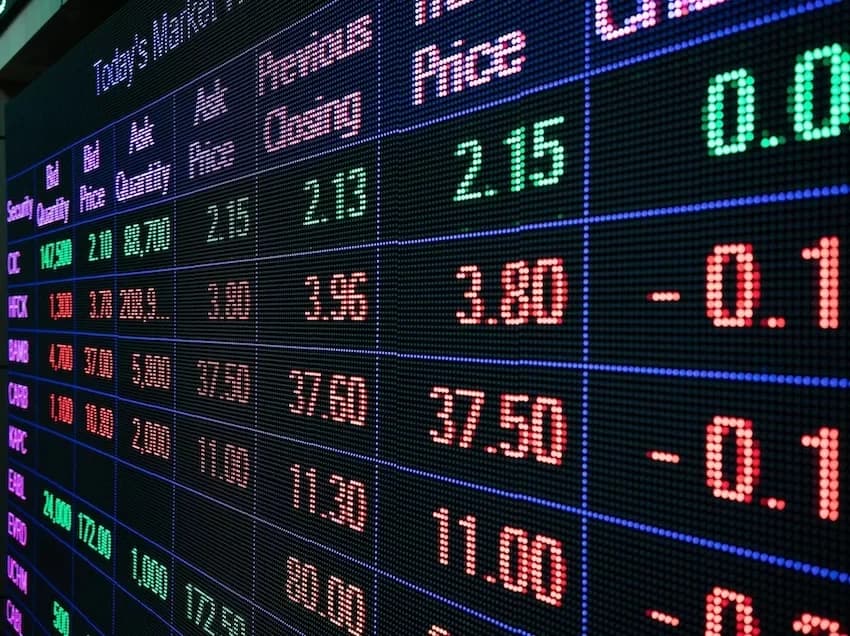
When Fed hikes the rates, foreign investors take flight from the NSE, leading to a drop in prices of leading counters such as Safaricom, Equity or KCB. Liquidity dried up at the NSE as turnover falls. Many counters already facing selling pressure at the NSE, are thus expected to fall even further.
In order to defend the Kenya Shilling and stop money leaving, Central Bank of Kenya(CBK) now faces the pressure of raising the CRB rate. This means bank loans will begin to be more expensive, as Government borrowing rises, pushing up Treasury Bills rates over NSE stocks.
In the case of Kenya, a hike by Fed matters because global rates influence foreign investor allocation, the cost of external financing and ultimately the attractiveness of Kenyan assets relative to U.S. dollar-denominated investments.
For the NSE, analysts warn that the rate hike should therefore not be interpreted in isolation as a reason to become bearish. Rather, it reinforces the need for valuation discipline, margin of safety, selective accumulation and sufficient liquidity.
The global liquidity environment is becoming less forgiving. That makes price paid increasingly important.
And with the Fed signalling another hike before year-end, the global interest-rate cycle may not yet be finished tightening. Higher for longer is no longer just a market narrative — the Fed is now actively reinforcing it.


Comments
No comments yet. Be the first to share your thoughts.