
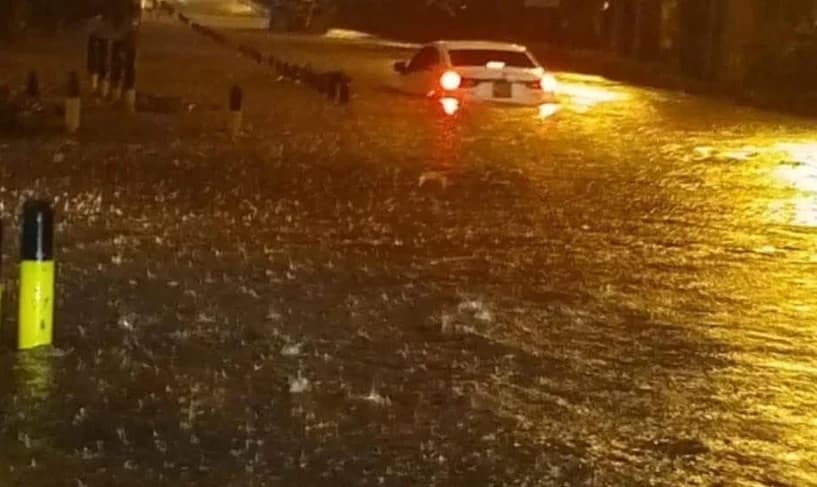
As Kenya braces for a wetter-than-usual season, the prospect of heavy rainfall is forcing households and businesses to think beyond umbrellas, sandbags and clearing drainage channels.
The Kenya Meteorological Department has warned of increased rainfall during the October to December period, with the weather pattern associated with El Niño increasing the risk of flooding and landslides in parts of the country.
For property owners, the financial consequences can be just as disruptive as the physical damage. Floodwater can ruin furniture, electronics and other household possessions, while heavy storms can damage buildings and vehicles.
One way of preparing is to combine physical precautions with appropriate insurance protection.
Start with your home
Homeowners and tenants should first assess what they stand to lose if heavy rain damages their property.
Britam’s Home Insurance covers homes and belongings against a range of unexpected events, including damage caused by extreme weather, fire and theft. The cover can be structured around the building, its contents, or both.
For homeowners, this can include the house itself, fixtures, fittings, walls, gates and fences, as well as household possessions such as furniture and electrical equipment.
Tenants can also insure their personal belongings without taking responsibility for the landlord’s property. This distinction is important because renters may assume that their landlord’s building insurance automatically protects their belongings inside the house.
It does not.
Before the rains intensify, households should also carry out practical checks. Gutters and drainage channels should be cleared, leaking sections of the roof should be repaired, and valuable electronics and documents should be moved away from areas prone to water damage.
Keeping an up-to-date inventory of valuable possessions, including photographs and purchase records where available, can also make it easier to establish what was lost or damaged.
Your car needs protection too
Vehicles are often among the most expensive movable assets owned by Kenyan households.
During periods of intense rainfall, motorists face hazards ranging from flooded roads and poor visibility to falling objects and accidents.
Britam’s Motor Insurance includes comprehensive options that cover accidental damage or overturning, fire and theft, malicious damage and third-party liabilities.
The message for motorists is simple: do not wait for the first major downpour before checking whether your motor policy provides the protection you need.
Drivers should also avoid attempting to cross roads covered by moving or deep water. Even when a vehicle is insured, deliberately driving into a dangerous situation may complicate a claim, depending on the policy terms.
For motorists concerned about the cost of comprehensive cover, Britam MotiFlex offers the same broad protection as its standard motor insurance while allowing customers to spread payments through monthly, quarterly or semi-annual instalments.
Electric vehicles also need cover
As electric vehicles become more visible on Kenyan roads, owners should consider their insurance needs before the wet season begins.
Britam offers Electric Motor Insurance as part of its motor insurance solutions.
EV owners should check the specific terms of their policy, including how the vehicle and its equipment are treated in the event of damage.
The same basic precautions apply: park in safe locations, avoid flooded areas and have emergency contacts readily available.
Check whether your cover is adequate
Having a policy is only part of the preparation. Customers should check that the sums insured reflect the current replacement value of their building, household contents or vehicle. If the declared values are too low, the amount payable after a loss may be affected by the policy terms.
They should also confirm whether storm, flood and water damage are covered, what excess they would need to pay, and whether any limits, exclusions or special conditions apply. Motorists should understand the difference between comprehensive and third-party cover, as third-party cover does not ordinarily pay for damage to the insured vehicle itself.
Insurance should be arranged and the required premium paid before damage occurs. It is intended to protect against unforeseen events and cannot be purchased retrospectively for a loss that has already happened.
Take sensible precautions when flooding begins
Safety should come first. Follow official weather and emergency alerts, avoid floodwater, and evacuate when instructed by the relevant authorities. If it is safe to do so, switch off electricity in areas at risk of flooding and move important documents, appliances and valuables to a higher level.
Motorists should move vehicles away from low-lying or flood-prone areas and should never attempt to drive through water when its depth or current is uncertain. If a vehicle has been submerged or floodwater has reached the engine, do not restart it; arrange for professional recovery and contact the insurer for guidance.
If damage occurs
Once everyone is safe, notify the insurer as soon as reasonably possible and follow the claims instructions provided. Prompt reporting helps the insurer assess the damage and explain what documents or inspections may be required.
- Take clear photographs or videos of the damage before moving or repairing affected items, where it is safe to do so.
- Prepare a list of damaged property and retain receipts, ownership records and any available valuation documents.
- Take reasonable steps to prevent further damage, but avoid permanent repairs or disposing of damaged items before receiving guidance from the insurer, unless action is necessary for safety.
- Keep records and receipts for emergency expenses connected to protecting the property or limiting the loss.
Interested in protecting your home or car?
Fill in the form below and a member of the Britam team will get in touch with you.
>>> Inside Sakaja’s Plan to Tackle Nairobi Floods Ahead of El Niño Rains


Comments
No comments yet. Be the first to share your thoughts.