
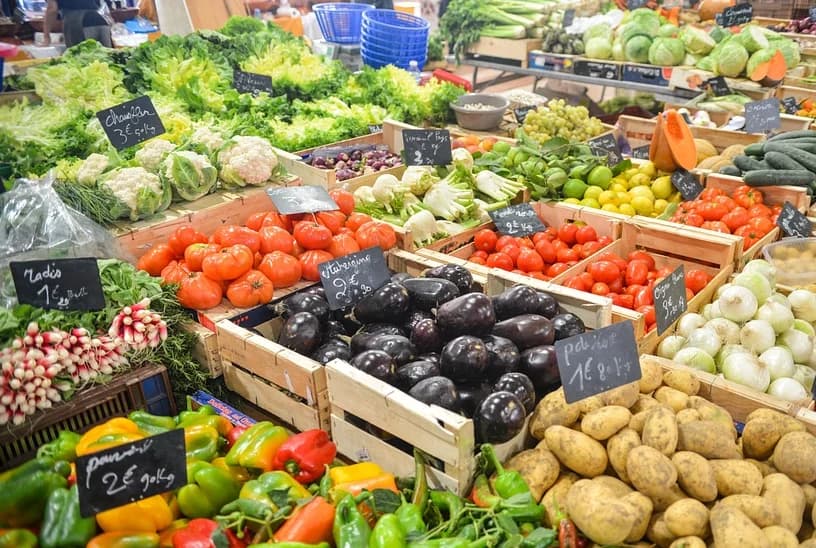
For more than a decade, Joseph Kamau has relied on his vegetable stall at Nairobi’s Gikomba Market to provide for his family. But what was once a dependable source of income has increasingly become a daily struggle as the cost of stocking his business rises and customers cut back on spending.
Every week, Kamau returns to wholesale traders to replenish his supplies, only to find that the prices of essential produce have increased.
“A bag of potatoes that used to cost Sh3,000 is now much higher. I cannot pass all these extra costs to my customers because they are already struggling. People are buying far less than they used to, and my daily income has dropped significantly,” he says.
His experience reflects the financial pressure facing many Kenyan households and small businesses as the cost of food, transport, energy and other basic necessities eats into disposable income.
For families already balancing rent, school fees, medical expenses and daily household needs, rising prices mean making difficult choices about what to buy, what to postpone and what to do without.
Food prices and taxes deepen household pressure
The rising cost of living has become a major concern for consumers, with increases in the prices of basic commodities affecting household spending patterns.
Cooking oil, maize flour and other food essentials account for a significant share of many families’ budgets. When these prices rise, households have less money available for other needs.
Changes in taxation and statutory deductions have also become part of the debate about the cost of living. Although government revenue collection is intended to support public expenditure and national development, additional tax obligations can affect the prices businesses charge and the amount of income workers take home.
For small traders such as Kamau, the pressure is particularly challenging. Increasing prices to protect profit margins risks driving away customers who are themselves struggling financially. Absorbing the higher costs, on the other hand, leaves businesses with less money to sustain their operations.
The result is a difficult cycle in which traders face rising expenses while consumers reduce their purchases.
Fuel and transport costs push up prices
Fuel prices are another important factor influencing the cost of goods and services across the country.
Transporters rely on diesel and petrol to move agricultural produce from farming regions to urban markets. When fuel and operating costs increase, the cost of transporting food to consumers can also rise.
Farmers and manufacturers face similar pressures through the cost of operating machinery, processing goods and distributing products.
The impact is felt across the supply chain, from the farm to the wholesale market and eventually to the retail stall.
Other factors contributing to production and import costs include the prices of agricultural inputs such as fertiliser, seeds and animal feed, as well as fluctuations in the value of the Kenya shilling, which can influence the cost of imported commodities and raw materials.
Together, these pressures make it difficult for households and businesses to plan their spending.
Families adjust to survive
As household budgets come under pressure, families are changing how they shop, travel and spend their money.
Some are cutting back on leisure activities and non-essential purchases, while others are looking for additional sources of income to supplement their earnings.
Communal shopping is also emerging as one practical response in some neighbourhoods. Residents pool money to purchase dry food items in bulk from wholesalers, seeking to reduce the cost of individual purchases.
Transport spending is another area where households are making adjustments, with some opting to walk shorter distances or use bicycles where possible instead of paying for public transport.
For parents, however, school fees and medical expenses remain difficult to avoid. Some families are negotiating flexible payment arrangements with schools, while others are considering more affordable learning institutions to manage their finances.
These adjustments illustrate how rising living expenses affect more than shopping habits. They influence education choices, access to healthcare and the general quality of life.
What can be done to ease the burden?
Addressing the cost of living requires measures that consider both the government’s revenue needs and the financial realities facing households and businesses.
One proposed intervention is to improve access to affordable agricultural inputs, particularly fertiliser and certified seeds for small-scale farmers. Lower production costs could support local food supply and help ease pressure on market prices.
A review of taxes affecting essential food items is another proposal that could be considered as part of efforts to reduce the cost burden on consumers.
Small businesses also need support through access to affordable credit and a more predictable regulatory environment. Traders operating on narrow profit margins can be particularly vulnerable to rising operating costs.
In the longer term, investment in reliable and affordable energy, including geothermal and solar power, could help reduce production costs for businesses and improve the sustainability of household energy spending.
Such interventions would need to be carefully designed and assessed to ensure they provide meaningful relief without creating additional pressure on public finances.
The human cost of rising prices
Back at Gikomba Market, Kamau continues to serve customers, sometimes offering discounts to keep them coming back.
For him, the cost-of-living debate is not simply about economic policies, taxation or national revenue targets. It is about maintaining his business, paying school fees and ensuring that his family has enough food.
His experience highlights the connection between national economic decisions and the everyday realities of ordinary Kenyans.
As households and small businesses continue to navigate rising expenses, the challenge for policymakers is to pursue economic stability while ensuring that the cost of adjustment does not fall disproportionately on those with the least room in their budgets.
Ultimately, the strength of the economy is also reflected in the ability of ordinary citizens to afford basic necessities, sustain livelihoods and plan for the future.
>>> CBK Warns Food and Fuel Costs Could Keep Kenya Inflation High



Comments
No comments yet. Be the first to share your thoughts.