

In luxury travel, a beautiful destination gets you through the door. What happens after check-in is what makes the experience worth talking about. And, more importantly, paying for. That is the proposition behind Paradise Plains, the latest addition to Wilder’s portfolio of safari camps in Kenya’s iconic Masai Mara.
Situated in the wildlife-rich Musiara region of the Masai Mara National Reserve, the property enters an increasingly competitive hospitality market with a familiar but commercially compelling question: how do you sell a destination that already has global recognition without offering travellers more of the same?
Paradise Plains’ answer is to expand the traditional safari proposition. Think wildlife encounters, personalized hospitality, wellness, cultural immersion and experiences that encourage guests to explore the African wilderness beyond the familiar game-drive vehicle.
But the luxury comes at a price. Suites start at US$850 per adult sharing per night, placing the property firmly in the premium safari category and making the value proposition just as important as the destination itself.
The price of an African wilderness experience
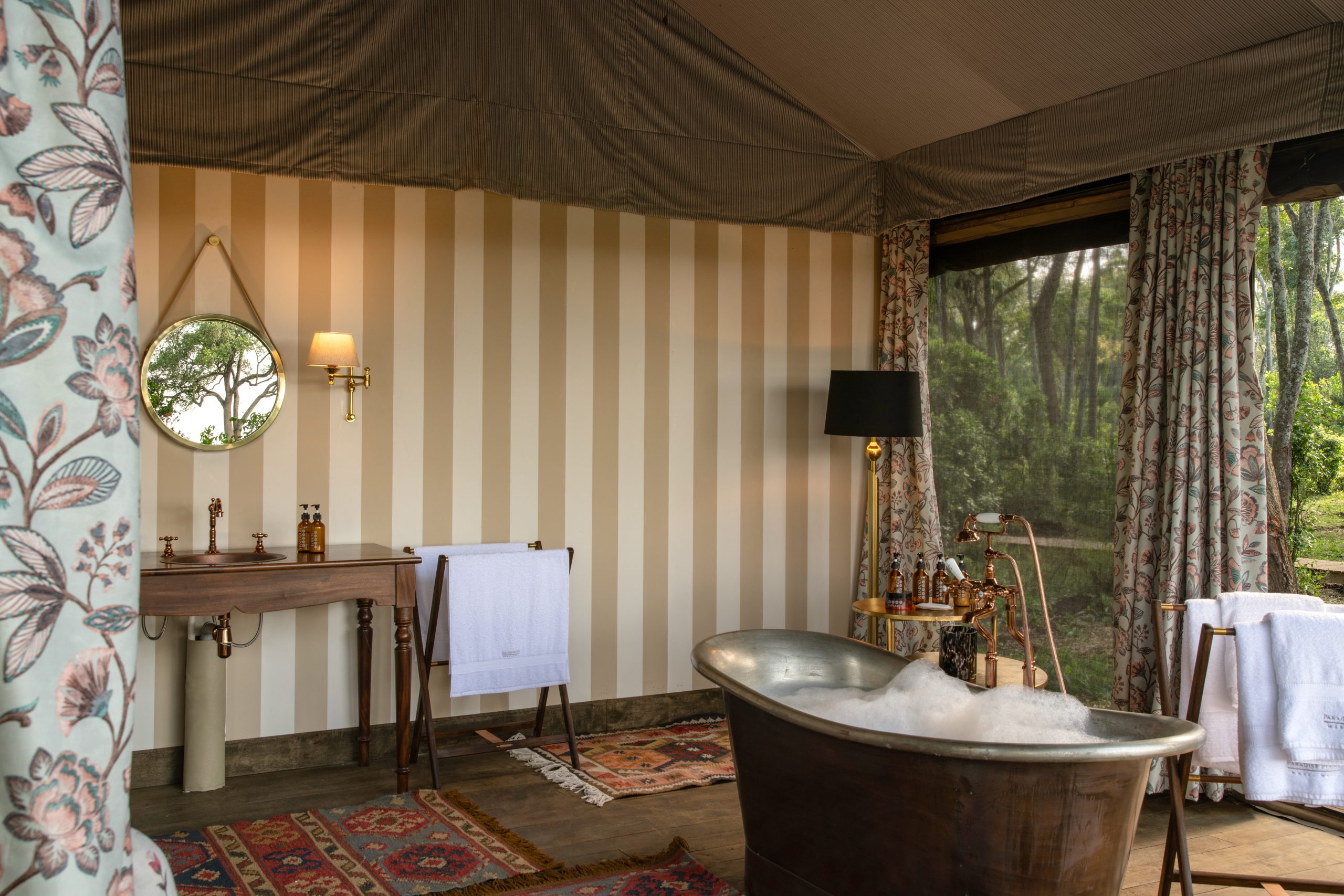
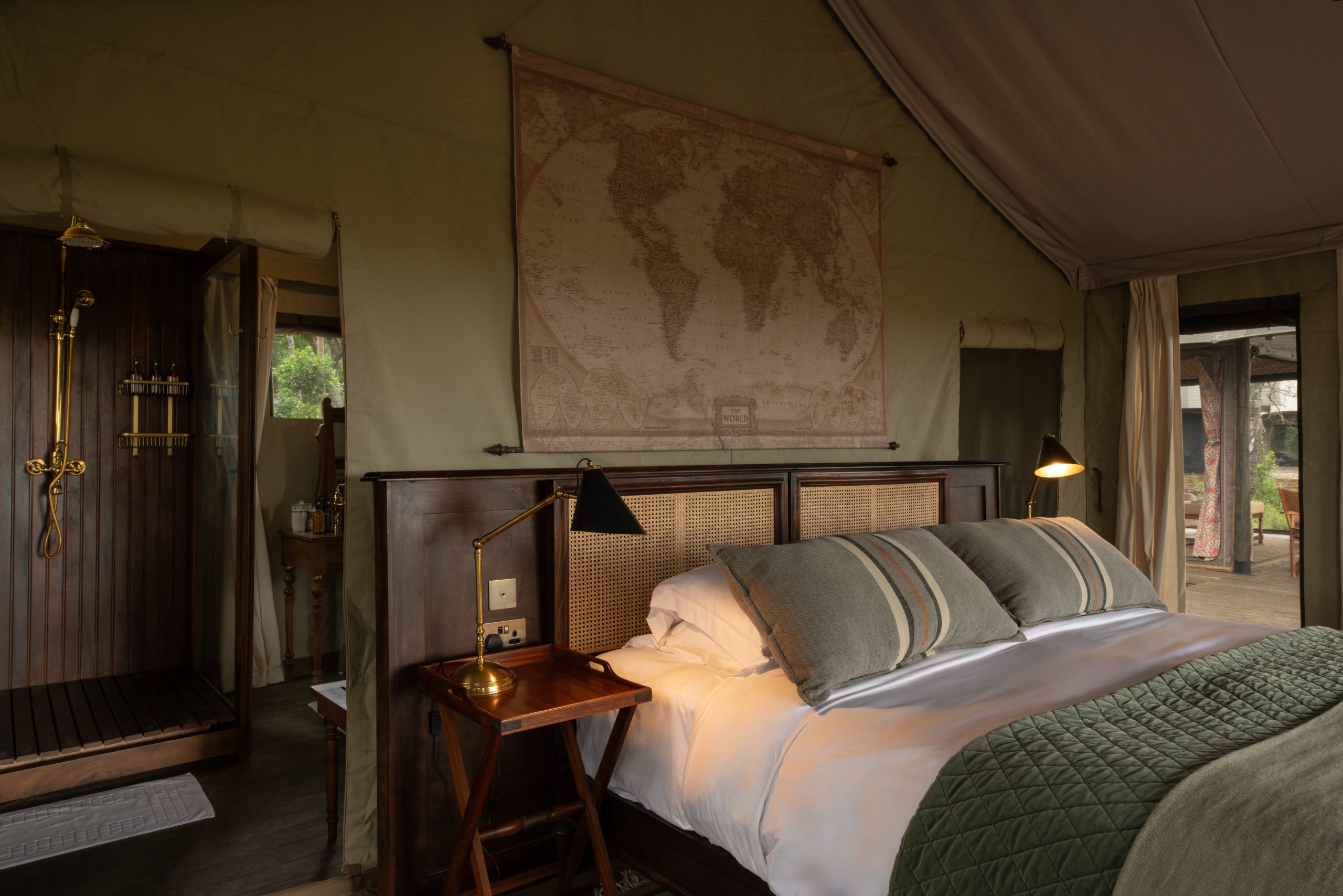
Nine suites form the heart of Paradise Plains, with each comprising three interconnected tents: a bedroom, a separate bathroom with a freestanding copper bathtub and a private living room. It is an accommodation concept designed around privacy and space, with the comforts of a luxury hospitality establishment brought into the bush.
The starting rate includes accommodation, meals, selected drinks and shared game drives. However, travellers should budget for additional charges, including a US$80 community bed-night fee and the applicable Masai Mara National Reserve entry fee.
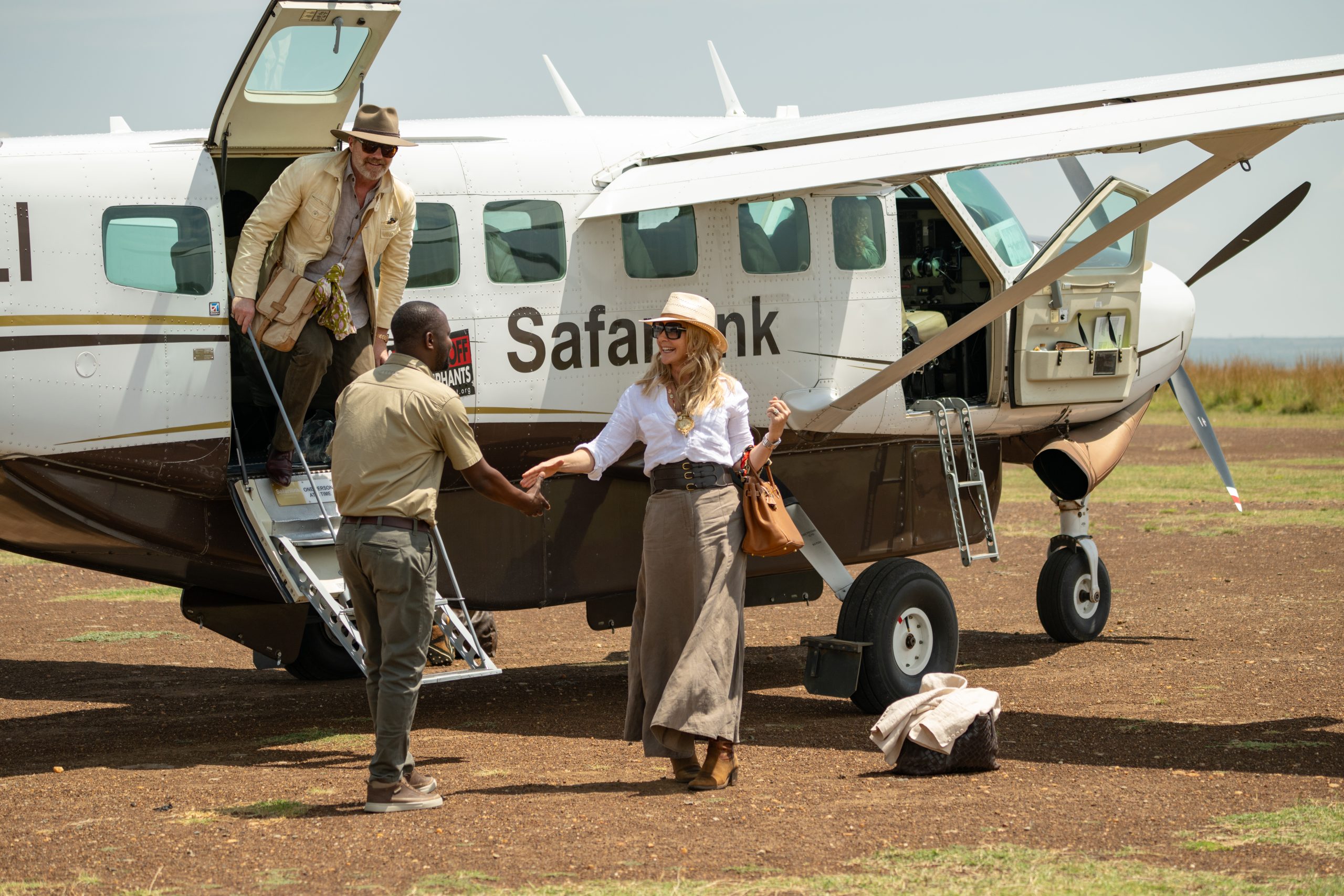
At the published October–December 2026 non-resident rate of US$200 per adult per day, that brings the indicative starting cost to approximately US$1,130 per adult per night, before optional extras. Private game drives, hot-air balloon safaris and spa treatments attract additional charges.
That distinction matters. In luxury hospitality, the advertised room rate is only one part of the customer’s purchasing decision. The final experience is shaped by what is included, what costs extra and whether the additional spending feels worthwhile.
For couples seeking an intimate escape or families looking for a more personalized safari, Paradise Plains is positioning itself around a combination of comfort, exclusivity and curated experiences. The commercial opportunity is clear: sell the destination, but make the experience difficult to replicate.
Beyond the game-drive vehicle
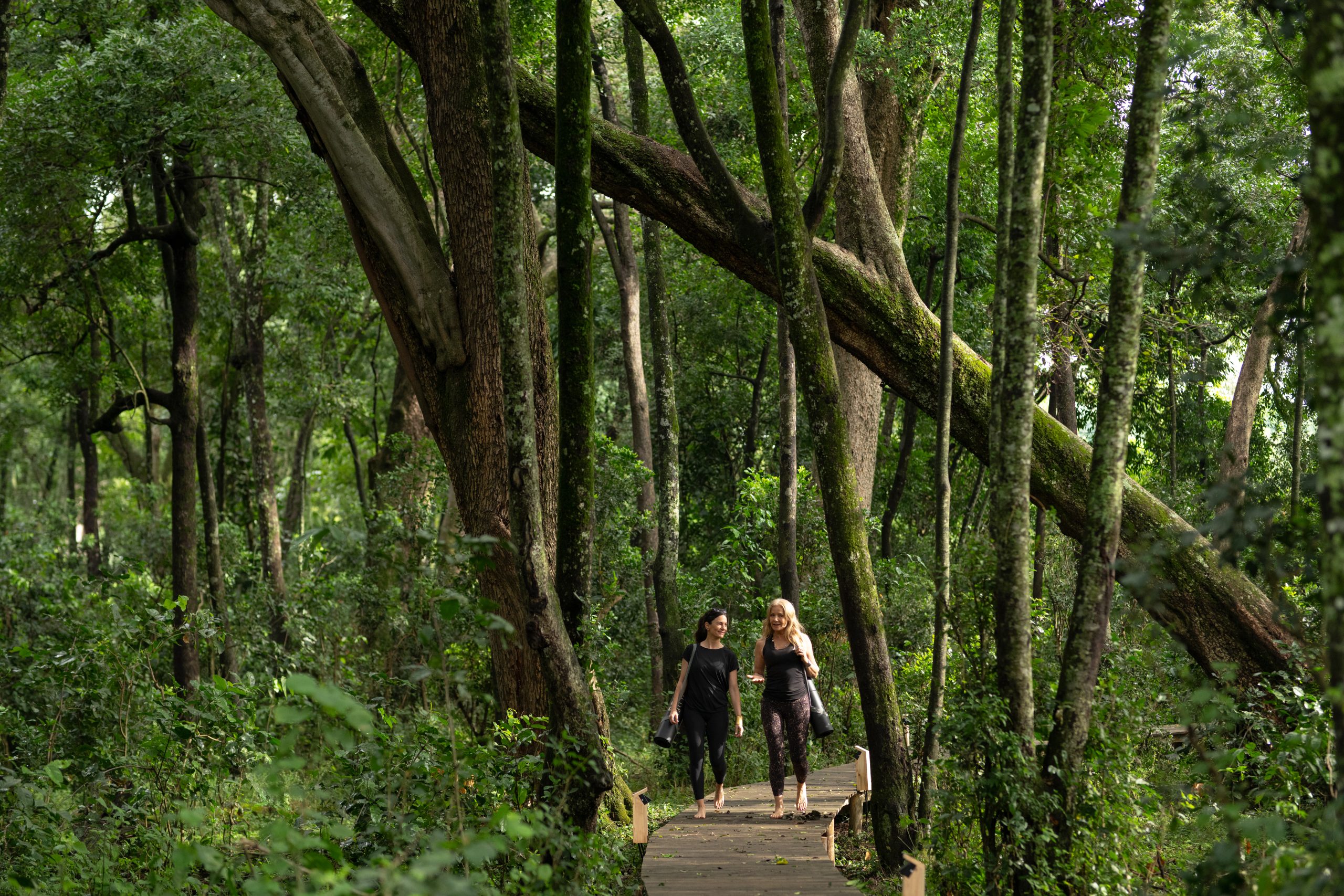
Wildlife remains the principal attraction of the Masai Mara, but Paradise Plains is giving guests more reasons to stay engaged with the landscape. One of its more distinctive additions is a 4.2-metre-high elevated Sky Walk running along the camp. The walkway offers a different perspective of the surrounding ecosystem, including its birdlife, with more than 500 bird species recorded in the wider Mara region.
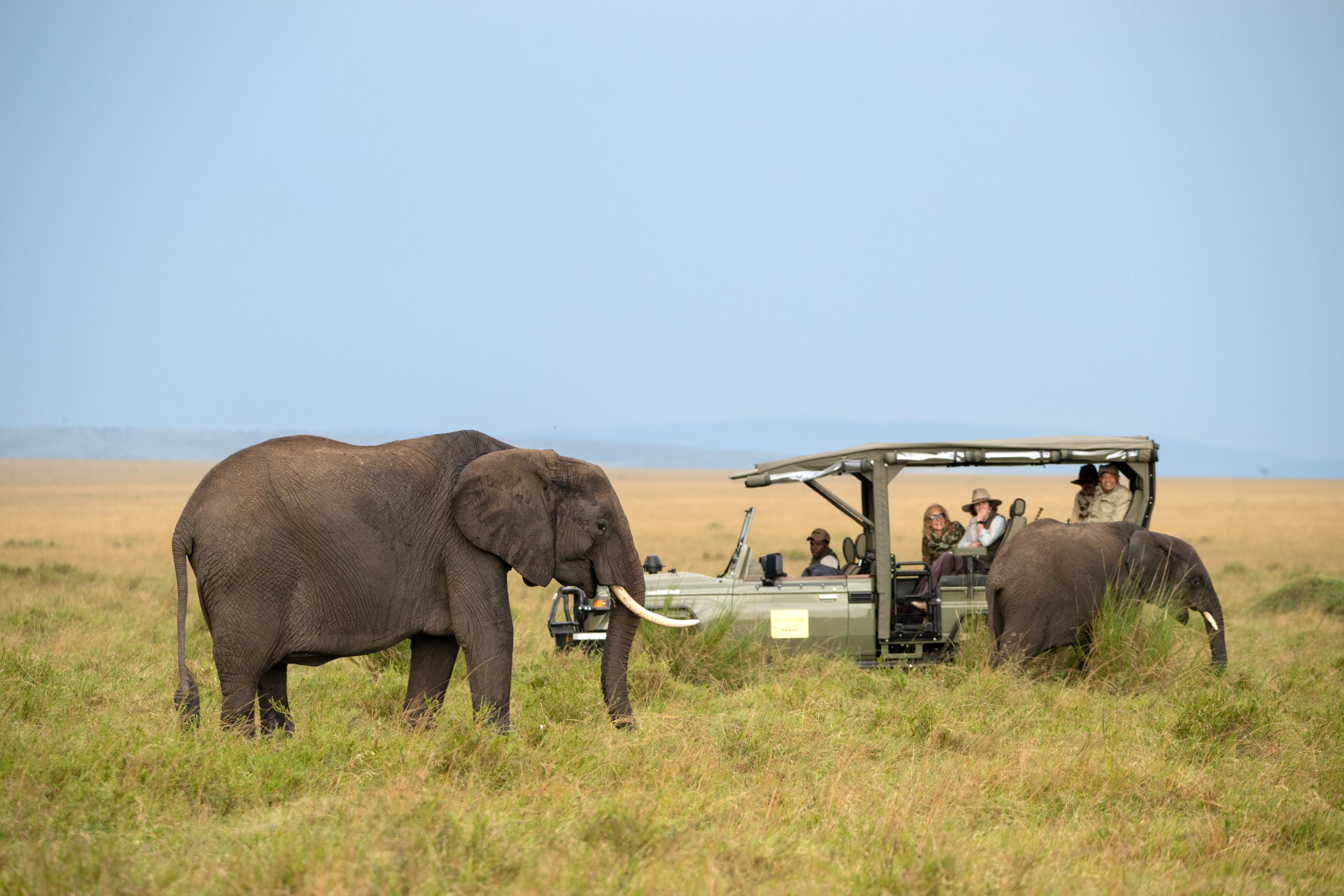
There are elephants crossing the plains, lions roaming the surrounding landscape, including members of the famous Marsh Pride, and the possibility of spotting an extraordinary variety of wildlife throughout the year. For guests looking to get closer to nature, the camp’s Step into the Wild experience takes visitors into the private Olerai Conservancy on foot alongside experienced guides and Maasai naturalists.
The experience introduces guests to animal tracking, medicinal plants and the ecological knowledge that helps explain the relationship between wildlife, vegetation and the wider ecosystem. Then there is the classic African safari fantasy: a sunrise hot-air balloon flight over the Mara’s sweeping grasslands and winding river systems.
The property also offers an infinity pool, spa, gym and yoga deck, extending its hospitality proposition into wellness. For a luxury operator, these additions serve a purpose beyond entertainment. They create multiple touchpoints through which a guest can experience the property, potentially extending engagement, encouraging longer stays and supporting additional revenue opportunities.
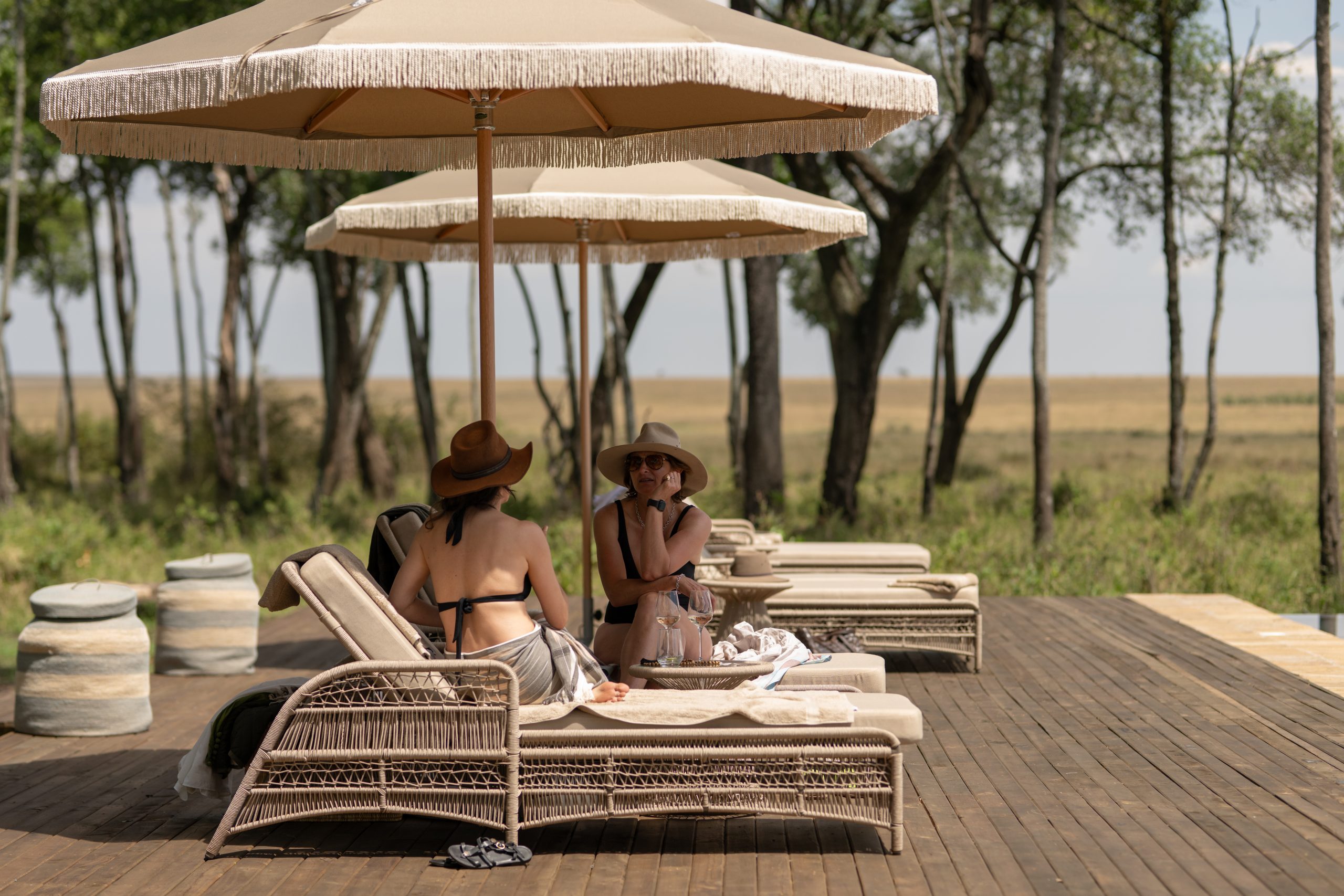
In other words, the game drive may sell the safari, but the experiences around it help sell the camp.
The community behind the luxury
There is another part of the Paradise Plains proposition that deserves attention: its relationship with the local Maasai community. Wilder says the camp operates through a lease partnership involving 10 Maasai families and the Narok County Government. Its community bed-night fee of US$80 per guest per night is described as supporting local ground rent and the Maasai community.
The company also reports that more than 75 per cent of its staff are drawn from the local Maasai community, alongside guide and hospitality training programmes. Guests can also visit a local manyatta to learn about Maasai traditions and everyday life. This is an important dimension of the luxury safari business. The experience is built around a landscape and cultural heritage that existed long before the arrival of high-end hospitality operators.
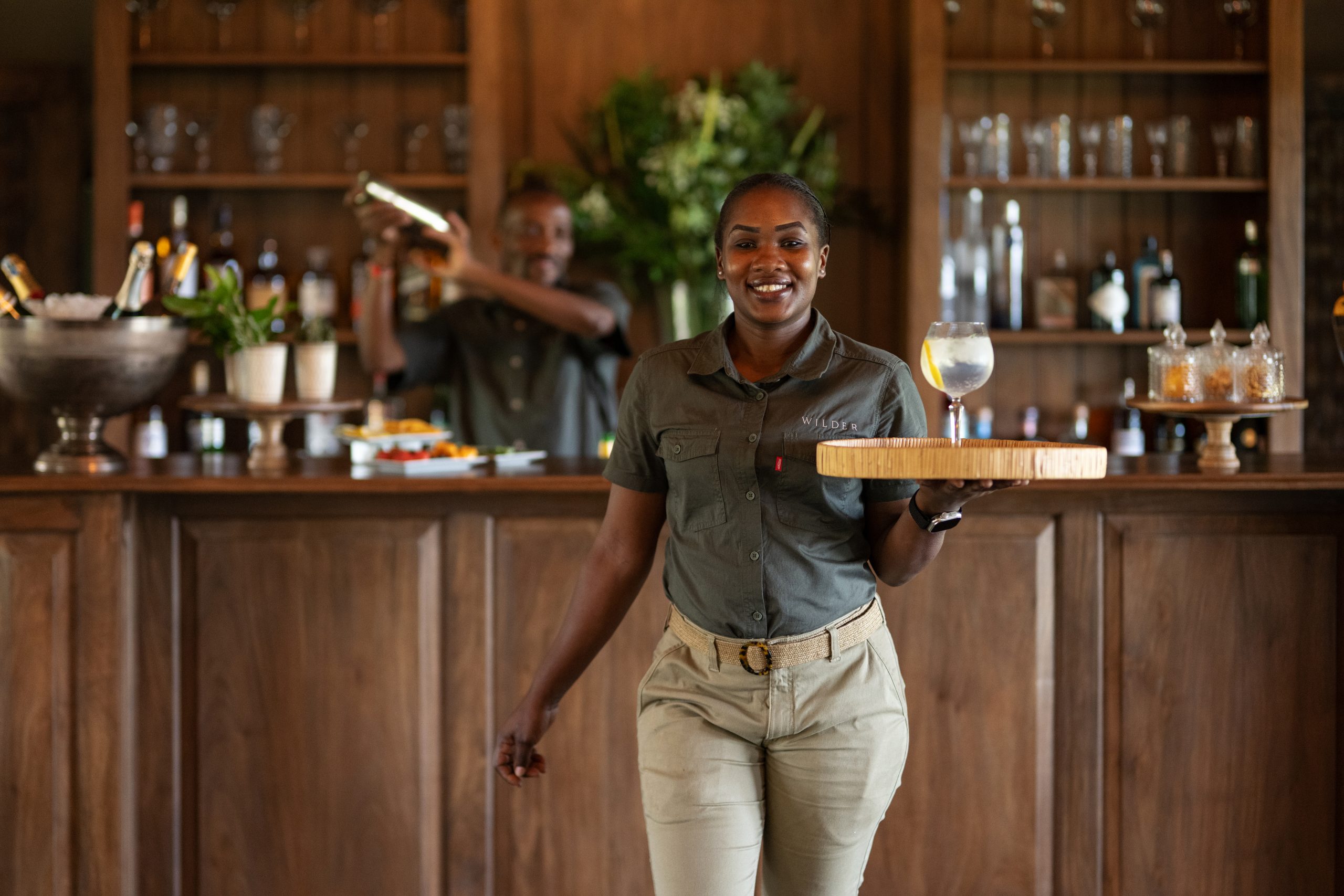
Meaningful community participation, local employment and transparent economic partnerships are therefore not simply attractive additions to a marketing brochure. They are important considerations in the long-term sustainability and credibility of tourism businesses.
The question, however, is how much economic value reaches the participating families, how the lease income is distributed and whether local employment translates into meaningful career progression. Wilder’s figures provide a starting point, but further financial disclosure would help establish the full impact of the arrangement.
Can luxury justify the premium?
Paradise Plains arrives at an interesting moment for Kenya’s safari industry. The Masai Mara remains one of Africa’s most recognisable wildlife destinations, but its operators must contend with rising travel costs, competition from other safari destinations and changing consumer expectations.
According to figures from Kenya’s 2026 Economic Survey, visits to the Masai Mara National Reserve declined from approximately 420,000 in 2023 to 213,000 in 2025, even as overall visits to Kenya’s national parks and game reserves increased to approximately 3.95 million.
The figures raise important questions about affordability, destination competitiveness and the commercial consequences of higher conservation and reserve fees. For premium operators, the answer may lie partly in attracting tourists who prioritize privacy, exclusivity and personalized experiences over the lowest available rate.
But luxury is an increasingly demanding business. A high price creates high expectations. Guests are paying not simply for attractive interiors or impressive views, but for seamless service, knowledgeable guides, thoughtful hospitality and experiences that feel genuinely distinctive. Paradise Plains has assembled the ingredients for that proposition. Its next challenge is delivering them consistently enough to earn its place among the Mara’s premium safari offerings.
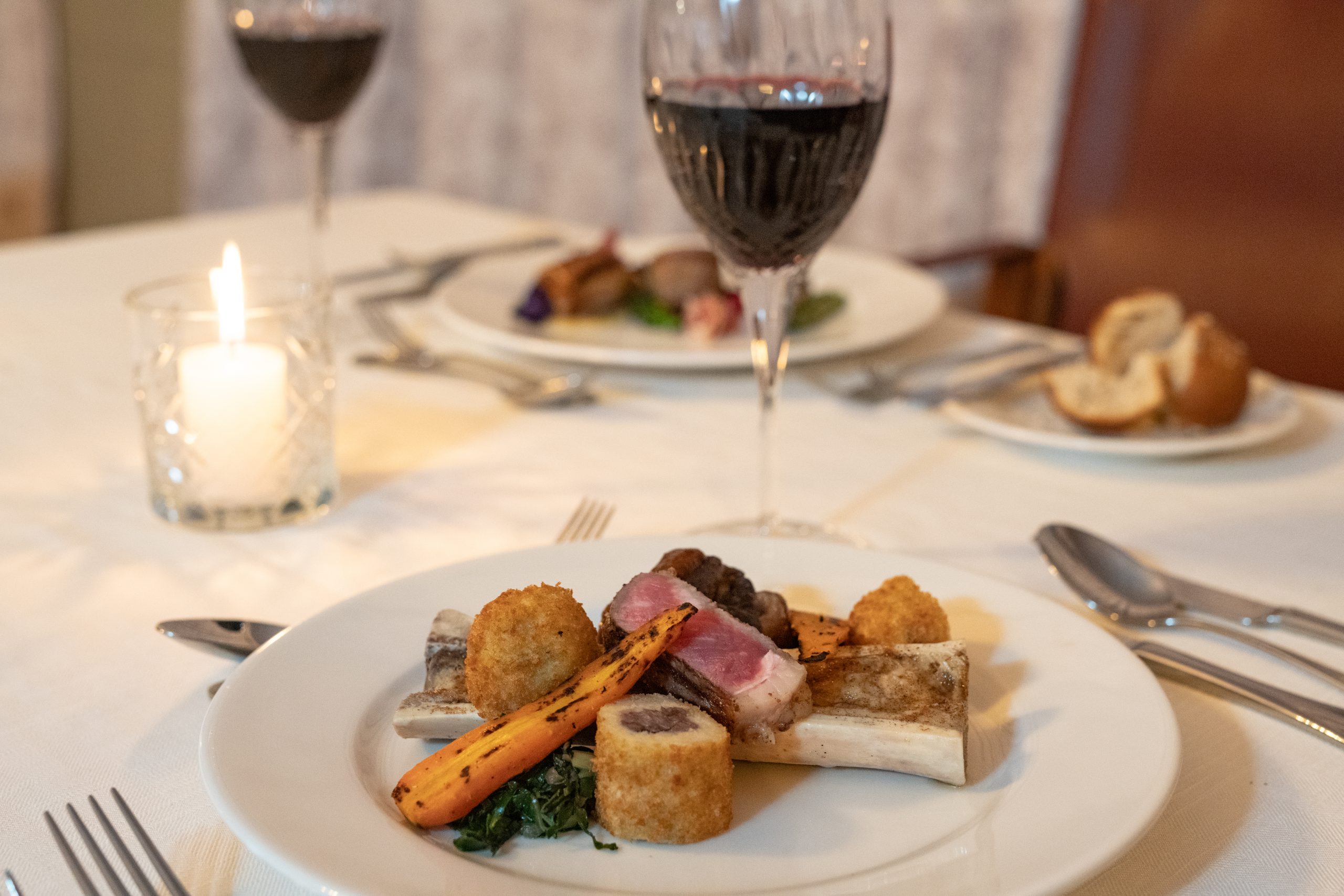
Ultimately, the future of luxury safari hospitality may not be determined by who builds the most beautiful camp or charges the highest nightly rate. It will belong to operators who understand that travellers are buying more than a destination. They are buying time, access, comfort, connection and the feeling that their money has taken them somewhere truly extraordinary.
And in the Masai Mara, that is a business worth watching.
Comments
No comments yet. Be the first to share your thoughts.