
AfDB-backed Sh7.8 billion e-waste programme targets nine African countries

GEM Programme seeks to support circular electronics initiatives in 16 countries, with a focus on making the production, use and disposal of electronic devices more sustainable.
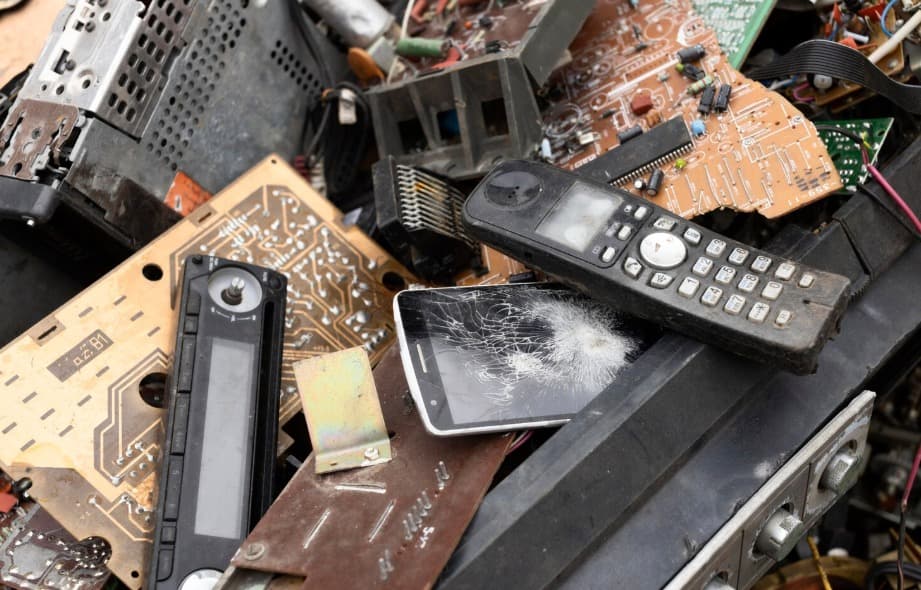
Nine African countries will benefit from a new $60 million (Sh7.79 billion) international programme aimed at improving electronic waste management, recovering valuable materials and creating jobs through recycling and reuse.
The Global Electronics Management (GEM) Programme seeks to support circular electronics initiatives in 16 countries, with a focus on making the production, use and disposal of electronic devices more sustainable.
The initiative brings together the African Development Bank (AfDB), the United Nations Industrial Development Organisation (UNIDO), the United Nations Development Programme (UNDP) and the United Nations Environment Programme (UNEP). It is funded by the Global Environment Facility (GEF).
In Africa, the first phase will cover Botswana, Djibouti, Eswatini, Ethiopia, Lesotho, Mozambique, Namibia, Somalia and South Africa, targeting gaps in regulation, financing, technology adoption and recycling infrastructure. The programme comes amid a growing global electronic waste burden.
Countries globally generated 62 million tonnes of e-waste in 2022, but only 22.3 per cent was formally collected and recycled in an environmentally sound manner. The Global volumes are projected to reach 82 million tonnes by 2030.
The programme also seeks to promote longer product lifespans through repair and reuse, alongside improved collection, resource recovery and environmentally sound recycling. It will also support governments in developing policies and regulations that encourage investment in circular electronics businesses.
Latest Stories
- African countries could save billions by cutting air pollution and greenhouse gases at the same time
- Nominated Senator Crystal Asige joins Winnie Odinga and Jalang’o in Nairobi Senate race
- Tusker FC suffer home defeat as Singida strike puts CAF Confederation Cup hopes at risk
- Ecuadorian priest dies after giant wooden crucifix crashes down on him during live-streamed Mass
Participating countries will share technical expertise and practical solutions through a dedicated GEM Knowledge Platform, bringing together governments, private companies, financial institutions, researchers, recyclers and civil society organisations.
“The transition to circular electronics requires systemic action that brings together countries, industry, finance, technology and knowledge. Through GEM, UNIDO is committed to driving this partnership towards scalable approaches that embed circularity across the electronics value chain,” said Smail Alhilali, Director of UNIDO’s Circular Economy and Green Industry Division.
“By combining our expertise with the strengths of our partners and participating countries, we can create the conditions for innovation and investment to accelerate a more circular, sustainable, inclusive and resilient electronics sector.”
For Africa, the programme is expected to strengthen the foundations for investment in e-waste management while linking digital expansion with environmental protection.
“For the African Development Bank, GEM represents an opportunity to ensure that digital transformation and environmental sustainability advance together,” said Henriette Christensen, AfDB Senior ICT Specialist.
“Through the Horn of Africa initiative, we aim to strengthen policies, support market development and create the foundation for future investment in circular electronics solutions that generate jobs, recover valuable resources and support resilient digital economies.”


Comments
No comments yet. Be the first to share your thoughts.