
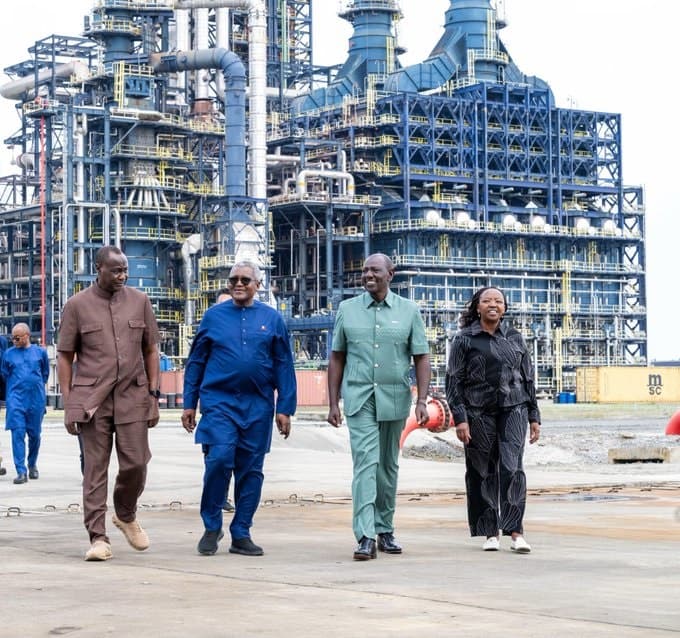
On October 21, 2026, Nigerian industrialist Aliko Dangote confirmed at an industry forum in London what market insiders had suspected for days: his group was the private entity behind a massive Ksh. 42.5 billion ($327 million) block trade on the Nairobi Securities Exchange (NSE). The transaction netted a 24.76% stake in the Kenya Pipeline Company (KPC), transferring 4.5 billion shares from public entities into private hands.
While state officials have hailed the trade as a triumph for Foreign Direct Investment (FDI) and capital market liquidity, a critical examination reveals a troubling policy maneuver: the private capture of a profitable, self-sustaining national monopoly that Kenya never needed to sell.
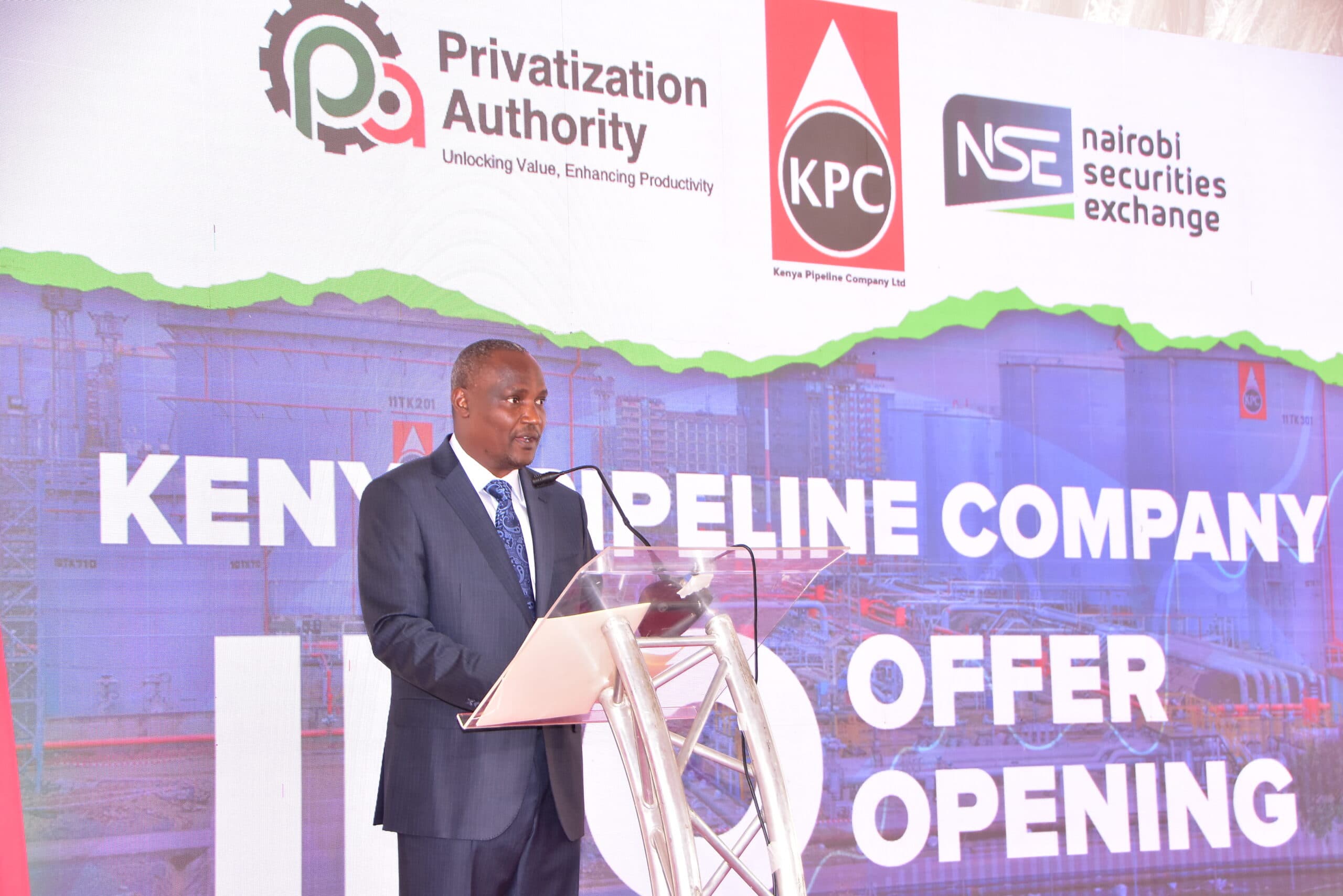
The speed and structure of the transaction raise immediate governance concerns. During KPC’s initial public offering, state-backed entities (including the National Social Security Fund, the Unclaimed Financial Assets Authority, and at least six other parastatals) stepped in to purchase large blocks of shares.
Rather than holding these assets to build long-term wealth for Kenyan workers, these public institutions acted as temporary warehouses. By liquidating their positions at near-IPO parity (~KSh 9.44 per share) shortly after listing, public pension schemes absorbed early market risk, effectively clearing the path for a single foreign strategic investor to enter at a pre-arranged valuation.
By securing a 25% voting block in KPC, Dangote gains direct influence over East Africa’s primary midstream distribution artery: the sole pipeline network connecting the Port of Mombasa to storage hubs in Nairobi, Nakuru, Eldoret, and Kisumu, as well as transit routes to Uganda, Rwanda, and South Sudan.
This equity position aligns with Dangote’s broader regional strategy, which includes a planned mega-refinery complex in Lamu. Allowing a dominant regional refiner to own a quarter of the primary transport and storage utility creates an inherent structural conflict of interest. With board representation and strategic insight, a single private supplier gains unparalleled leverage over pipeline tariffs, capacity allocation, and off-take scheduling, placing independent Oil Marketing Companies (OMCs) at a systemic disadvantage.
The official narrative framing this deal as a necessary intervention to optimize or modernize KPC falls apart under economic scrutiny. KPC was neither a distressed parastatal nor a drain on the exchequer; it was a highly profitable, financially independent national champion.
1. Financial independence
KPC did not require a financial rescue. Prior to the transaction, the company reported a 13% increase in profit after tax to Ksh. 11.6 billion, driven by steady growth in regional throughput volumes.
- Cash-Flow Engine: KPC generates reliable, dollar-denominated cash flows from regional fuel transit.
- Self-Funded Growth: Major infrastructure enhancements, including Line 5 and the Kisumu oil jetty, were funded through operational revenues and standard commercial credit, without requiring private equity injections.
2. Loss of strategic autonomy
Energy transport infrastructure is a cornerstone of national security. KPC serves as the economic lifeline for fuel supply across East and Central Africa.
Surrendering operational influence to a foreign conglomerate shifts the priority of a national utility. While a state-anchored entity prioritizes national strategic reserves, energy security, and open access for all market players, a private anchor shareholder answers to commercial incentives and parent-company synergies.
3. Siphoning national dividends
Had these shares remained with local institutional investors like the NSSF, KPC’s substantial annual dividend payouts would have remained within the domestic economy, compounding wealth for Kenyan pensioners. Instead, a quarter of the utility’s future earnings will now flow outward as foreign dividend remittances.

Comments
No comments yet. Be the first to share your thoughts.