

Amnesty International accuses Kenyan authorities of crackdown on protesters amid economic hardship

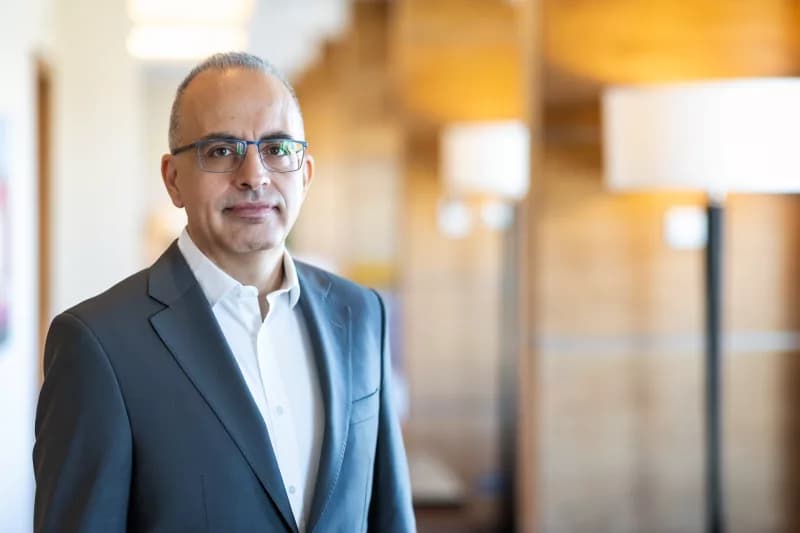
Amnesty International Kenya Executive Director George Morara said the findings highlight what the organisation considers a repressive government response to legitimate economic grievances affecting ordinary Kenyans.
Amnesty International has accused Kenyan authorities of increasingly using arbitrary arrests, abductions, unlawful surveillance, malicious prosecutions and media repression to suppress protests against rising living costs, taxation and economic hardship.
In a new report titled Human Rights Under Siege: Unpacking Authoritarian Practices in an Era of Economic Pressure amid Youth-Led Protests in Kenya, the human rights organisation documents alleged violations linked to demonstrations held between 2023 and 2025.
The protests happening during that period were mainly linked to rising food and transport costs, increased taxes and levies, mounting public debt, corruption, poverty, inequality and unfulfilled electoral promises.
The release of the report a day after the harassment and arrest of Citizen TV journalist Francis Ode also indicates that the trend is continuing. The journalist was arrested while covering protests staged on Mashujaa Day by a few activists over the rise in the cost of fuel. He was roughed up by officers in civilian clothes and ferried to Central police station, from where he was later set free.
Amnesty International Kenya Executive Director George Morara said the findings highlight what the organisation considers a repressive government response to legitimate economic grievances affecting ordinary Kenyans.
“The state’s attempts to divert attention away from its failure to address its human rights obligations have not worked. Authorities must address the economic grievances underpinning the protests, end the escalating crackdown on dissent, and ensure accountability for human rights violations during the 2023 to 2025 economic and tax-related protests,” Morara said, urging authorities to address the underlying economic concerns, end the crackdown on dissent and ensure accountability for alleged violations committed during the protests.
Latest Stories
- LINDA files objection over The Equitable Party’s bid to rebrand as Linda Mwananchi Movement
- Nigerian billionaire Aliko Dangote buys 24.76 per cent stake in Kenya Pipeline for Sh42.5 billion
- Truckers urged to cut fuel costs as freight emissions rise along Northern Corridor
- Polio survivor Samuel Chira's push for inclusion after a childhood in hiding
The report draws on interviews conducted between April and July 2026 with 102 people, including protesters, lawyers, journalists, medical personnel, government officials, social media influencers and civil society activists. Researchers also reviewed parliamentary records, national budgets and tax policies covering the 2023–2025 period.
According to the organisation, 36 interviewees from five counties reported having been arrested by police or abducted by individuals suspected of being security agents during or after the protests.
Some alleged that they were held incommunicado for days, beaten, tortured or otherwise mistreated, interrogated about the financing of demonstrations and denied access to their families and legal representatives.
One interviewee identified by the pseudonym Benjamin described being abducted over his alleged involvement in protests in Kisumu in 2023 and 2024 against the rising cost of living and controversial Finance Bills.
Another interviewee, identified as Ken, reportedly described being taken from Rongai, blindfolded and driven around Nairobi and its environs while security agents allegedly assaulted him.
Lawrence, whose identity was also concealed, recounted being abducted in Kitengela, restrained and questioned about his knowledge of the protests.
The organisation said such allegations raise serious human rights concerns and called for investigations into the conduct of security personnel.
Amnesty International further documented allegations of unlawful surveillance targeting protesters and activists, including monitoring of WhatsApp groups, X spaces, mobile phones and the residences of activists and their relatives.
It also cites instances where journalists covering demonstrations were subjected to physical assaults, arbitrary arrests, tear gas, water cannons and gunfire. Other journalists also alleged that officers ordered them to delete footage or confiscated their equipment, restricting their ability to document events.
At the same time, the organisation additionally raised concerns about alleged disregard for court orders by security agencies and the withdrawal of a judge's security detail.
According to the report, corruption emerged as a major driver of public discontent, with 54 protesters interviewed by Amnesty International citing it among the main reasons they participated in demonstrations.
Protesters reportedly expressed frustration over alleged misuse of public funds, rising fuel prices and the increasing cost of essential goods and services.
One protester argued that the government should prioritise accountability and tackling corruption rather than increasing taxes.
Another participant from Kisumu said rising fuel prices automatically push up the cost of living, making life increasingly difficult for ordinary citizens.
The report also examined the controversial 2023 and 2024 Finance Bills, which faced widespread public opposition. The 2024 demonstrations included protests outside Parliament, amid demands for the government to reconsider proposed tax measures.
Amnesty International said concessions made in response to public submissions and petitions were insufficient to address the wider economic grievances driving the protests.
The organisation called on Parliament to ensure meaningful public participation in legislative processes and strengthen transparency and accountability in public spending.
It also called for the prosecution of security agents found responsible for repressing protests, a review of cases involving the alleged malicious prosecution of demonstrators and the ratification of the International Convention for the Protection of All Persons from Enforced Disappearance.
The organisation further urged the government to improve transparency in public debt management, increase funding for social protection programmes and conduct human rights assessments before implementing economic reforms and policies.
Amnesty International said these measures would help protect vulnerable populations while ensuring that economic policies do not undermine fundamental rights.
“Young people are rising to demand better use of resources, transparency and accountability. The response from the government should not and must not be violent repression,” said Tigere Chagutah, Amnesty International’s Regional Director for East and Southern Africa.

Comments
No comments yet. Be the first to share your thoughts.