
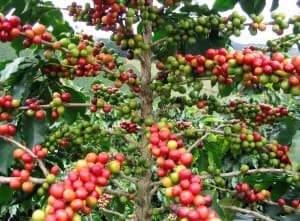
Coffee sales at the Nairobi Coffee Exchange (NCE) rose to Sh879.6 million in this week’s auction conducted on Wednesday, up from Sh692.5 million recorded the previous week, driven by an increase in the volume of coffee traded.
A total of 17,442 bags were sold in the auction, compared with 14,975 bags in the preceding sale, representing an increase of 2,467 bags.
The latest earnings marked a rise of about 27 per cent, while the volume traded grew by approximately 16.5 per cent, signaling improved activity in the coffee market.
According to the NCE report, 18 coffee brokers participated in the auction, with New KPCU and Alliance Berries Limited accounting for a combined 7,799 bags, representing about 45 per cent of the total volume traded.
New KPCU led the brokers after presenting 4,624 bags, followed by Alliance Berries Limited with 3,175 bags.
The auction featured different coffee grades, with grade AB accounting for 8,079 bags, followed by grade AA with 3,321 bags and grade C with 2,270 bags. The remaining volume comprised other grades traded during the sale.
The average price stood at Sh41,074 per 50-kilogramme bag, equivalent to approximately 316.61 US dollars, reflecting the value of the coffee traded across the different grades and quality categories.
Sang Young Estate, marketed through Kipkelion Brokers, recorded the highest reported price among the cooperative and estate category, fetching Sh50,076.39 per bag, equivalent to about 386 US dollars.
In the dealers’ category, Ibero Kenya was the leading buyer, purchasing 4,150 bags. Taylor Winch followed with 3,231 bags, while C. Dorman bought 3,135 bags.
Other leading buyers were Louis Dreyfus, which purchased 2,313 bags, and Kenyacof, with 1,658 bags.
Coffee Board of Kenya Chairman Henry Kinyua and NCE Chief Executive Officer Lisper Ndung’u have urged farmers to maintain quality standards to improve the competitiveness of Kenyan coffee and secure better returns in the market.
Ndung’u said the continued interest from buyers demonstrated the importance of producing high-quality coffee, urging farmers to follow agronomic recommendations to improve the quality of their beans.
She emphasized that good agricultural practices, proper harvesting and careful post-harvest handling were essential in preserving coffee quality and attracting competitive prices at the auction.
The Nairobi Coffee Exchange provides a central marketplace, where coffee from farmers and cooperatives is presented by licensed brokers and purchased by dealers, helping establish prices through competition among buyers.
The auction system also enables growers to compare prices achieved by different lots, making quality improvement an important consideration in efforts to increase earnings from coffee farming.
Kenya’s coffee sector remains an important source of income for thousands of smallholder farmers, particularly in the central region, where production and marketing through cooperative societies play a significant role in the agricultural economy.
By Bernard Munyao


Comments
No comments yet. Be the first to share your thoughts.