
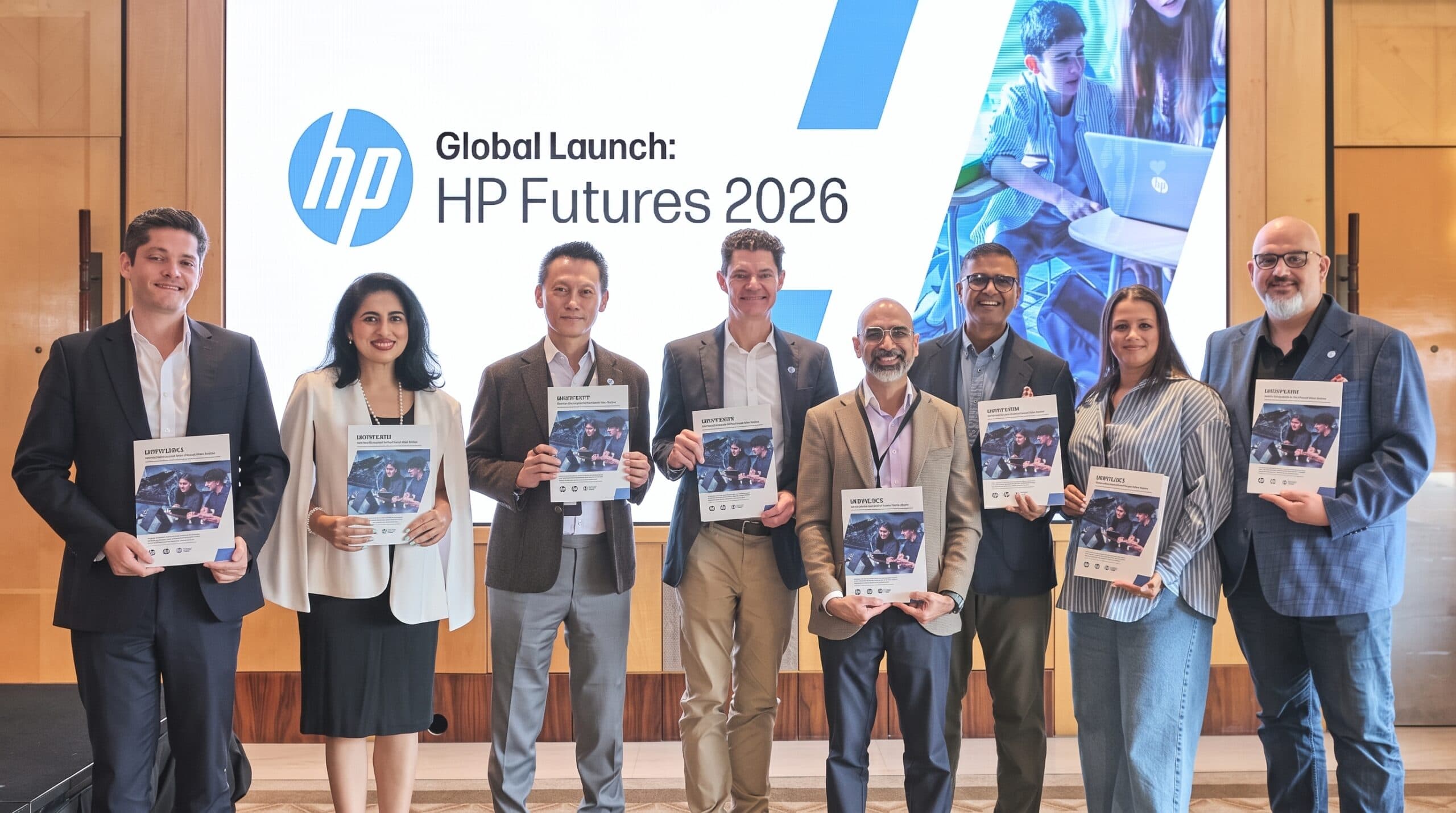
Education systems globally and in Kenya must urgently reframe their approach to learning by making durable skills, such as creativity, critical thinking, communication, and collaboration,the core infrastructure of future readiness.
That is the principal recommendation from the newly released HP Futures 2026 report. Convened by tech leader HP alongside the Global Learning Council and the Education Leaders Forum, the initiative gathered insights from 58 global education, policy, and workforce experts, complemented by a worldwide survey of over 6,200 students across 37 countries.
The report warns that as artificial intelligence rapidly transforms industries, soft skills can no longer be relegated to secondary or extracurricular status. Instead, they must be formally timetabled, adequately resourced, and rigorously assessed.
The HP Futures 2026 report outlines several strategic imperatives for educational reform in Kenya and around the globe:
- Elevate Durable Skills to Core Infrastructure: Policymakers must create explicit blueprints that embed communication, collaboration, critical thinking, and creativity directly into standard curricula rather than treating them as optional additions.
- Prevent a New Digital and Skills Divide: To ensure durable skills development does not exacerbate global inequality, programmes must be engineered specifically for public systems and low-resource environments. Recommended strategies include leveraging teacher-mediated AI, low-bandwidth content delivery, and predictable cost structures.
- Balance Fundamentals with Modern Competencies: Foundational literacy, numeracy, and identity-forming learning must remain central. However, they should be delivered alongside durable skills using hands-on, creative instructional methods.
- Overcome the Assessment Bottleneck: The report identifies legacy assessment models as the primary barrier to widespread adoption. It calls for standardized, interoperable, and transnational credentialing pathways recognized by both higher education institutions and global employers.
- Incorporate Student Perspectives: Modernizing curricula requires listening to learners themselves, ensuring education design reflects the real-world experiences and expectations of youth in an AI-driven economy.
“Educators, policymakers and employers share a responsibility to prepare young people for the opportunities and challenges they will encounter throughout their lives and careers. As artificial intelligence rapidly transforms how we learn and work, that responsibility has never been more important. Education systems must do more to help students develop, demonstrate and continuously strengthen the capabilities that will remain valuable regardless of how technology evolves.” David McQuarrie, Chief Commercial Officer at HP and Chair of HP Futures
“Experts call for new education models that take durable skills into account, and for students to be offered interoperable, transnational means to credentialise their durable skills so that higher education institutions and employers share a common benchmark for these crucial Future of Work abilities. Furthermore, the experts called on policymakers to take action immediately to ensure AI-era readiness and durable skills ownership does not become another source of structural inequality.” Mayank Dhingra, Director & Global Head, Education Business and Strategy at HP
Find the HP Futures 2026 report HERE.

Comments
No comments yet. Be the first to share your thoughts.