
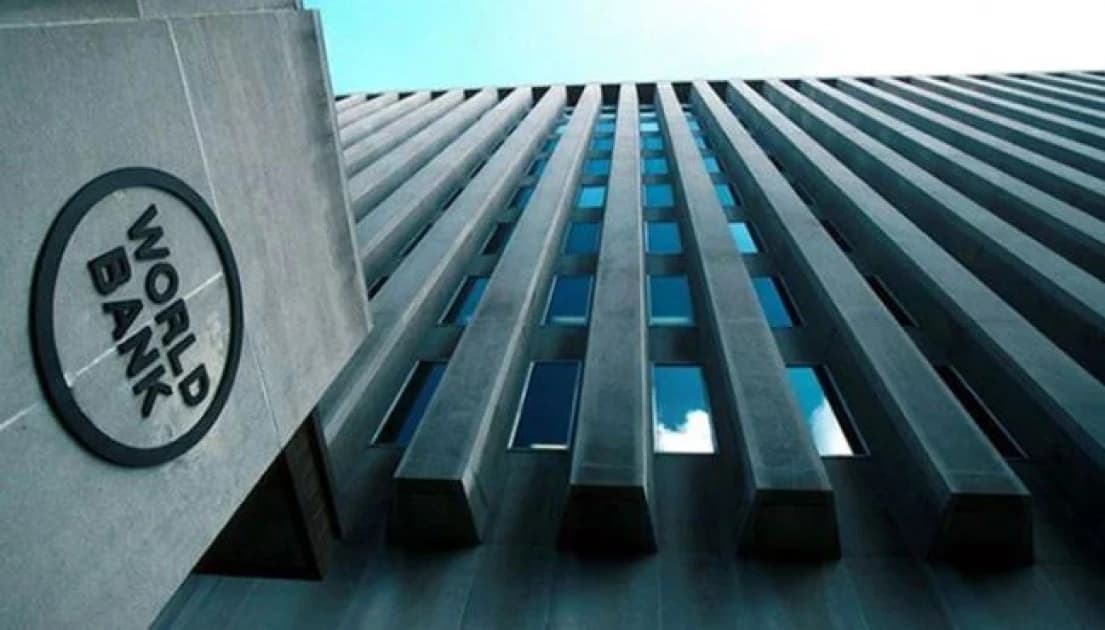
A view of the World Bank's building. — Reuters/File
The report shows that Kenya is losing billions of shillings due to weak or poor governance. According to the report, weak governance hurts the economy by straining public finances and widening the fiscal deficit.
The findings indicate that corruption alone widens the fiscal deficit by about 2 per cent of gross domestic product (GDP).
It is a report that comes as no surprise to many Kenyans; however, its damning revelations now shine a light on the actual cost of corruption to the economy.
The report shows that, beyond widening the fiscal deficit, corruption also increases the cost of basic services such as power and logistics, with the report putting these costs at more than double those in other parts of the world.
Corruption has also been cited as a top concern for businesses, with 39 per cent of firms identifying it as the main constraint on their operations.
Households have not been spared either. The bank now says that addressing governance constraints will be critical for faster growth.
"The economic gains from stronger governance can be quite substantial, and the report suggests that 2025, if marked by governance reforms, could raise GDP by almost 9 per cent relative to the current path, while more ambitious reforms could raise GDP by more than 20 per cent,” said Qimiao Fan, World Bank Country Director for East Africa.
"Control of corruption lags behind our peers, adding costs to public finances, raising the cost of doing business, and burdening firms and informal workers. Second, the payoff from reform is large: modelled anti-corruption reforms could raise GDP by 8.7 per cent by 2025,” added Treasury Principal Secretary Chris Kiptoo.
The World Bank further notes that ambitious reforms to address corruption could help the country support over 7.7 million additional, higher-quality jobs across sectors while lowering public debt as a share of GDP by 2035.
The report argues that the potential gains from tackling corruption are not only institutional but directly linked to stronger growth, employment, and fiscal outcomes, ultimately translating into better living standards.
"These improvements are achievable, and I want to emphasize that most of these reforms actually do not require additional fiscal spending,” Fan added.
"Citizens are worried about the economic cost of corruption, seeing it as even more critical than the impact on service delivery and how it hampers the improvement of living standards," the World Bank Lead Governance Specialist.
The bank remains optimistic that the Treasury's commitment to adopting the report's recommendations will bear fruit, as the Treasury capitalizes on the highlighted opportunities and the clear benefits of tackling the issue.

Comments
No comments yet. Be the first to share your thoughts.