
For decades, banks competed on things that felt, frankly, a little abstract to the average customer. Interest rates. Loan tenures. Branch networks. The bank with the tallest building downtown often won the trust vote, even if nobody could tell you what made its balance sheet better than the next one’s. That era is over.
Today, the real fight for a customer’s loyalty happens in a much smaller, much more mundane moment: the three seconds it takes to move money from one account to another, or the split second a card is tapped at an ATM.
This shift did not happen by accident. It happened because payments are now the most frequent, most visible, and most emotionally charged interaction a person has with their bank. You might check your loan balance once a year. You might renegotiate a mortgage once a decade. But you send money, withdraw cash, and pay for things dozens of times a month. Every one of those moments is a chance for a bank to either earn quiet trust or lose a customer to frustration.
Mobile money accelerated this trend across Africa faster than almost anywhere else in the world. When platforms like M-Pesa made instant, low-friction transfers a daily habit for millions of people, they reset expectations for what “banking” was supposed to feel like. Suddenly, a transaction that used to require a trip to a branch and a queue could happen from a phone in a matter of seconds. Traditional banks that were slow to match that convenience found themselves competing not just with each other, but with telecom-led ecosystems that had quietly become the default way ordinary people moved money.
The result is a market where payments, once treated as a back-office utility, have become the front line of brand competition. Banks are no longer just asking “how do we lend money profitably?” They are asking “how do we become the rail that money moves through, every single day, without friction, without fear, and ideally without cost?” Because whoever owns that daily habit owns the relationship. Lending, savings, insurance, and investment products can all be cross-sold later. But first, a bank has to be present in the moment a customer needs to move money.
Fees have become the most visible battlefield within this fight. For years, transfer charges, ATM withdrawal fees, and inter-network transaction costs were treated as a reliable, almost invisible revenue stream. Customers grumbled but paid, because there weren’t many better options. That tolerance has evaporated. In a market where a customer can compare the true cost of moving money across five apps before their coffee gets cold, hidden or excessive fees no longer feel like a cost of doing business. They feel like a tax on loyalty, and customers are voting with their feet.
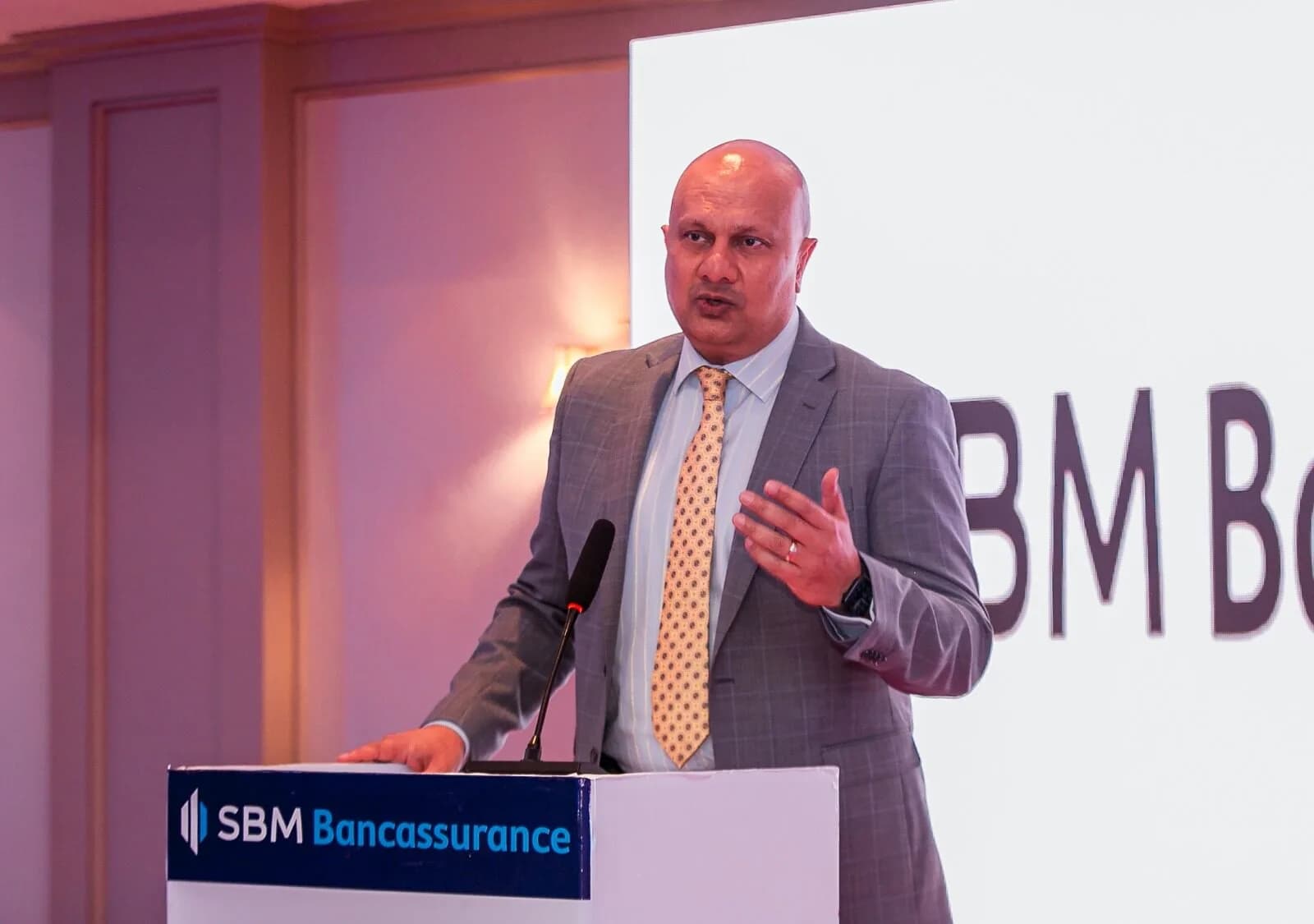
This is precisely where the more forward-thinking banks are choosing to differentiate themselves, and SBM Bank Kenya is a good example of what that looks like in practice. Rather than treating payments as an income stream, SBM Bank has restructured its offering to remove costs from customers’ daily financial lives. Customers enjoy free interbank transfers for amounts below Kes 1 Million via Pesalink on Mfukoni, meaning money can move between different banks without the usual charges eating into the amount sent. That alone removes one of the most persistent points of friction in everyday banking, particularly for people who regularly send money to family, business partners, or suppliers banked elsewhere.
The bank has extended that same philosophy to cash access and local transfer rails. Free ATM withdrawals, including on Mastercard-branded ATMs globally, mean customers aren’t penalised for needing physical cash, whether at home or travelling abroad. Free PesaLink transfers make instant, real-time payments between Kenyan banks cost-free rather than a paid convenience
Taken together, these choices say something bigger than a list of waived fees. They signal a bet that in this new banking battleground, the winner will not be the institution with the most branches or the flashiest app, but the one that lets money move the way customers actually need it to: freely, quickly, and without quietly taxing them for the privilege. That is a bet worth watching closely, because it is likely to define who wins the next decade of banking.


Comments
No comments yet. Be the first to share your thoughts.