
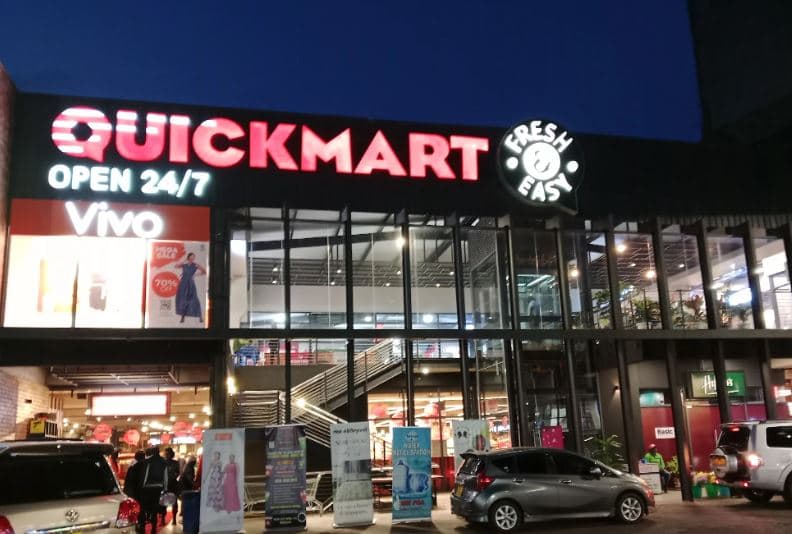
Quickmart’s proposed listing on the Nairobi Securities Exchange comes with a term that may sound like stock-market jargon to the average shopper: an over-allotment option.
The proposed offer involves Sokoni Retail Kenya Limited, Quickmart’s sole shareholder, selling up to two billion existing shares, representing 50 per cent of the supermarket’s issued share capital. The transaction is an offer for sale, meaning Quickmart is not issuing new shares and will not receive the proceeds from the sale.
There is, however, room for the seller to put more shares on the table. The proposed over-allotment option allows up to an additional 15 per cent of the shares in the main offer to be sold, subject to the final offer terms.
For anyone trying to understand what this means without getting lost in stock-market terminology, here are five things to know.
1. It is an option to sell more shares
At its simplest, an over-allotment option gives the seller flexibility to increase the number of shares available after the main offer has been set.
Quickmart’s proposed main offer consists of two billion existing shares. An additional 15 per cent of those shares would amount to up to 300 million shares.
That means the total number of shares sold could rise to as many as 2.3 billion if the option is exercised in full.
It is worth stressing that the extra shares are not guaranteed to be sold. The option is there, but whether it is exercised will depend on the final transaction terms and applicable conditions.
The phrase may sound complicated, but the idea is fairly straightforward: there is the main basket of shares, plus a little extra room in case more are offered.
2. It could reduce Sokoni’s stake further
The biggest effect of the option would be on Sokoni Retail Kenya’s remaining ownership of Quickmart.
Without the overallotment option being exercised, Sokoni is expected to sell 50 per cent of Quickmart and retain approximately 50 per cent after the offer.
If the full over-allotment option is exercised, an additional 300 million shares would be sold.
That would increase the total number of shares sold to 2.3 billion, or about 57.5 per cent of Quickmart’s issued share capital. Sokoni’s remaining stake would consequently fall to approximately 42.5 per cent.
So, the difference is not simply a few more shares changing hands. It changes how much of the supermarket remains with its current shareholder.
3. Quickmart does not get the money
This is one of the most important details in the proposed transaction.
Quickmart’s listing is structured as an offer for sale, rather than an issue of new shares.
In simple terms, the shares already exist. Sokoni is selling part of the shares it owns to investors.
Because Quickmart is not creating new shares for the transaction, the supermarket itself will not receive the proceeds from the sale. The money goes to Sokoni as the selling shareholder.
That distinction matters when looking at what the NSE listing means for the business.
The transaction is therefore not a fresh fundraising exercise for Quickmart. The company has said it expects to continue funding its organic growth and store expansion primarily through internally generated cash flows.
For investors, this is an important point to understand before assuming that an IPO automatically means new money is going into the company’s expansion plans.
4. Why have an extra option at all?
An over-allotment option provides flexibility during a share offer.
The number of shares investors ultimately receive can depend on the structure of the transaction and demand during the offer. Having an additional allocation available can give the seller more room to manage the offer within the terms set out in the final documents.
It can also help create a larger public shareholding.
Quickmart’s proposed listing is intended to broaden ownership of the supermarket and create a public free float on the NSE. If more shares are sold through the over-allotment option, the portion of the company held outside Sokoni would naturally become larger.
That would mean more of Quickmart’s shares are in the hands of public investors.
However, investors should not confuse the existence of an over-allotment option with a guarantee that the extra shares will be sold. The final Information Memorandum will contain the definitive terms.
5. The final details matter more than the headline figure
For potential investors, the 15 per cent figure is only one piece of the puzzle.
The official Quickmart information states that the final offer price, minimum investment, timetable, eligibility requirements and application details are to be confirmed in the approved Information Memorandum. The proposed offer and listing also remain subject to the required regulatory approvals.
That document will be important because it will provide the detailed information investors need to understand the transaction.
Quickmart currently operates more than 72 stores across 16 counties and reported revenue of Sh50.4 billion for 2025. The retailer recorded about five million customer transactions per month during the first half of 2026 and has more than 8,000 employees.
The proposed NSE transaction therefore represents a significant change in how ownership of the supermarket is structured.
The over-allotment option simply gives the seller the ability to go beyond the main 50 per cent offer by up to another 15 per cent of the shares being offered. If it is not exercised, Sokoni would retain about half of Quickmart. If exercised in full, its stake would fall to about 42.5 per cent.
For shoppers who know Quickmart mainly as the place where they grab milk, bread and whatever mysteriously ends up in the basket, the numbers may seem distant from the supermarket aisle. But behind those everyday purchases is a company preparing to move from private ownership into the public market.
And that extra 15 per cent could make a noticeable difference to how much of the business ends up in public hands.


Comments
No comments yet. Be the first to share your thoughts.