
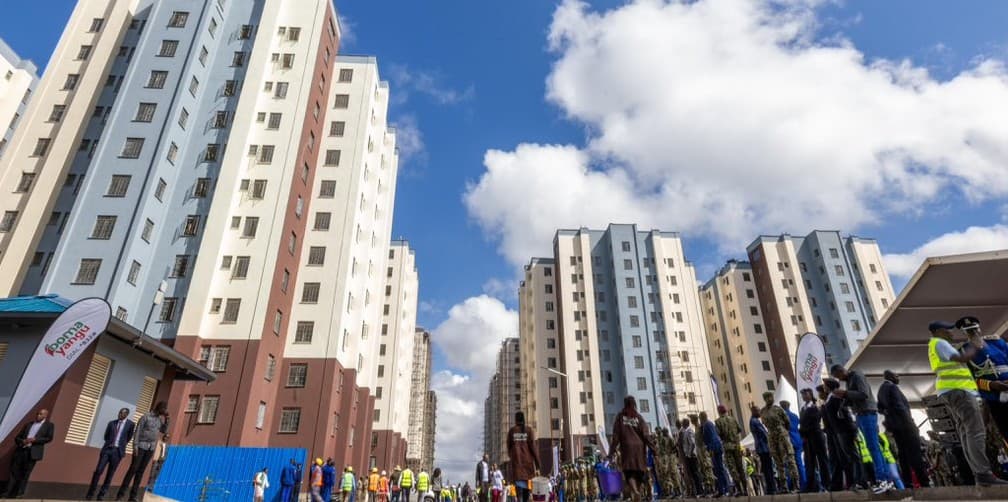
Standalone houses drive 2.2 per cent rise in Kenya property prices in Q2

Standalone houses recorded the strongest annual increase, with their price index climbing by 3.1 per cent to 134.47 in the period under review from 130.49 a year earlier.
Kenya’s residential property prices rose by 2.2 per cent in the year to June 2026, driven by stronger gains in standalone houses even as apartment prices remained largely unchanged.
The increase points to sustained demand for detached homes, with price movements varying across Nairobi neighbourhoods and other regions, according to the latest Kenya National Bureau of Statistics (KNBS) Residential Property Price Index (RPPI).
The index rose to 120.29 in the second quarter of 2026 from 117.73 in the same period last year, translating into an annual price increase of 2.2 per cent.
On a quarterly basis, residential property prices rose by 1.6 per cent between March and June 2026, indicating a faster pace of growth over the three months.
Standalone houses recorded the strongest annual increase, with their price index climbing by 3.1 per cent to 134.47 in the period under review from 130.49 a year earlier.
KNBS attributes the rise to demand in the standalone housing category, with prices increasing by 0.7 per cent between the first and second quarters of 2026.
Latest Stories
- African countries could save billions by cutting air pollution and greenhouse gases at the same time
- Nominated Senator Crystal Asige joins Winnie Odinga and Jalang’o in Nairobi Senate race
- Tusker FC suffer home defeat as Singida strike puts CAF Confederation Cup hopes at risk
- Ecuadorian priest dies after giant wooden crucifix crashes down on him during live-streamed Mass
“The increase in the index reflects demand in the standalone housing category,” KNBS said.
Apartment prices, meanwhile, increased by just 0.1 per cent over the year, suggesting a significant divergence in price growth between the two types of residential properties.
However, apartment prices gained momentum in the latest quarter, rising by 3.6 per cent between the first and second quarters of 2026.
The figures also point to uneven price movements across geographical segments, with some Nairobi neighbourhoods recording increases while others experienced easing prices.
Among apartments, the index for Nairobi Upper rose to 96.9 in the second quarter from 92.5 a year earlier, while Nairobi Other increased to 119.4 from 109.0.
In contrast, the index for Nairobi Middle apartments declined to 86.4 from 87.4, while Other Regions fell to 111.6 from 121.4, indicating softer prices in the two categories.
Standalone houses in Nairobi Upper recorded an increase in the index to 136.0 from 130.2, while Nairobi Other posted a stronger rise to 164.9 from 145.2.
However, Nairobi Middle and Other Regions recorded easing prices for standalone houses over the review period.



Comments
No comments yet. Be the first to share your thoughts.