
NAIROBI, Kenya, Oct 22 – Financial constraints, long distances to specialist hospitals and limited awareness of childhood cancer are delaying diagnosis and treatment for children in Kenya, a study by Gertrude’s Children’s Hospital and St. Jude Children’s Research Hospital has found.
The preliminary findings show that more than 70 percent of caregivers interviewed live in households earning less than Sh20,000 a month, while about half are unemployed. The study found that gaps in insurance cover and treatment costs remain major obstacles, even among families with some form of health financing.
Kenya records about 3,000 new childhood cancer cases annually. The World Health Organisation says fewer than 30 percent of children with cancer survive in low- and middle-income countries, compared with more than 80 percent in high-income countries.
Dr Doreen Karimi Mutua, a paediatric haematologist-oncologist at Gertrude’s Children’s Hospital and the study’s principal investigator, said the barriers can delay the process from recognising symptoms to diagnosis and treatment.
“Early diagnosis is critical to improving childhood cancer outcomes, but we must recognise the realities families face when trying to access care. Financial constraints, long distances to specialised facilities and limited awareness of childhood cancer can delay the journey from recognising symptoms to receiving a diagnosis and starting treatment,” said Dr Karimi.
The study found that some families travelled long distances to reach specialist hospitals, with the longest journey recorded spanning 981 kilometres. Some caregivers also moved between facilities in search of an accurate diagnosis, tests and specialist care, further delaying treatment.
Nearly half of the caregivers interviewed had never heard of childhood cancer before their child became ill. Researchers said this points to the need for greater public awareness of warning signs and the importance of seeking medical attention when symptoms persist or appear unusual.
Social networks, cultural beliefs and the use of alternative treatments also influenced caregivers’ decisions, according to the findings. The researchers called for greater community engagement and stronger referral systems between primary healthcare facilities and specialist treatment centres.
The study recorded a median of 46 days between caregivers becoming aware of symptoms and diagnosis. The median time from diagnosis to the start of treatment was 11 days.
Data collection began in September 2024 and covered six hospitals: Moi Teaching and Referral Hospital, Kenyatta National Hospital, Gertrude’s Children’s Hospital, AIC Kijabe Mission Hospital, Kisii Teaching and Referral Hospital and Aga Khan University Hospital. The two-year study includes public, faith-based and private facilities, with analysis of the quantitative findings still ongoing.
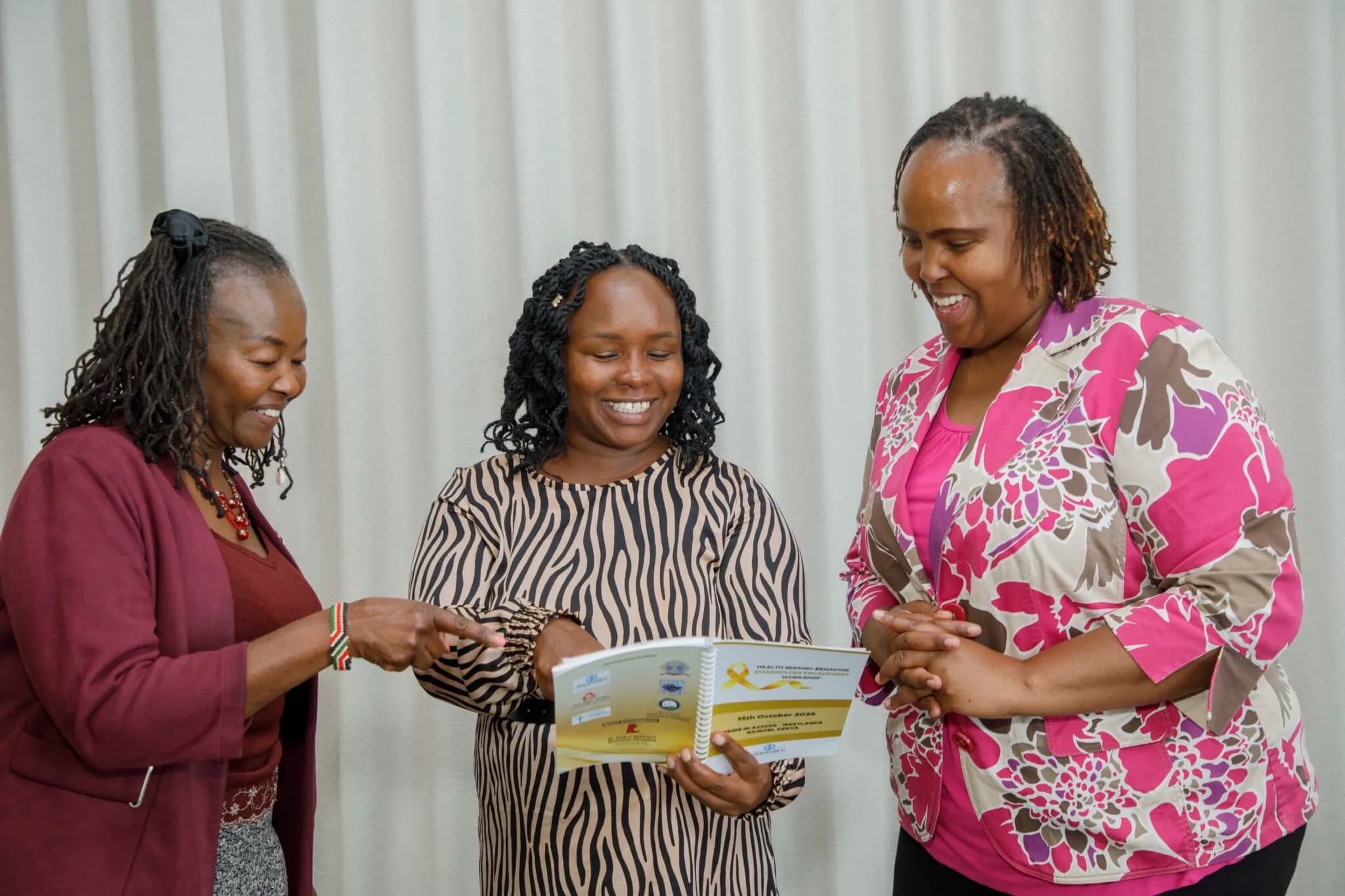
The findings were discussed at a stakeholder workshop at Pride Inn Azure in Westlands, Nairobi, attended by representatives from government, healthcare, civil society and the media. Participants discussed ways to improve early diagnosis and reduce barriers to treatment.
Dr Joyfrida Chepchumba, Technical Lead at the Ministry of Health’s National Cancer Control Program, called for greater coordination among healthcare providers, government agencies and community organisations.
“Improving childhood cancer outcomes requires a coordinated effort. We need to bring together healthcare providers, government institutions, community leaders and other stakeholders to address the gaps that delay diagnosis and treatment,” said Dr Chepchumba.
The researchers said reports for individual hospitals are expected to help identify specific barriers and guide interventions to improve access to timely diagnosis and treatment.



Comments
No comments yet. Be the first to share your thoughts.