
Kenya is among eight African countries set to benefit from UK-backed clean energy innovations aimed at reducing reliance on fossil-fuel generators.
The ZE-Gen initiative, a joint programme by the Carbon Trust and Innovate UK, has invested more than £2 million (KSh344.5 million) in 10 projects designed to expand clean energy alternatives in sectors where reliable electricity can have the greatest impact, including healthcare, telecommunications, food production, small businesses and community energy access.
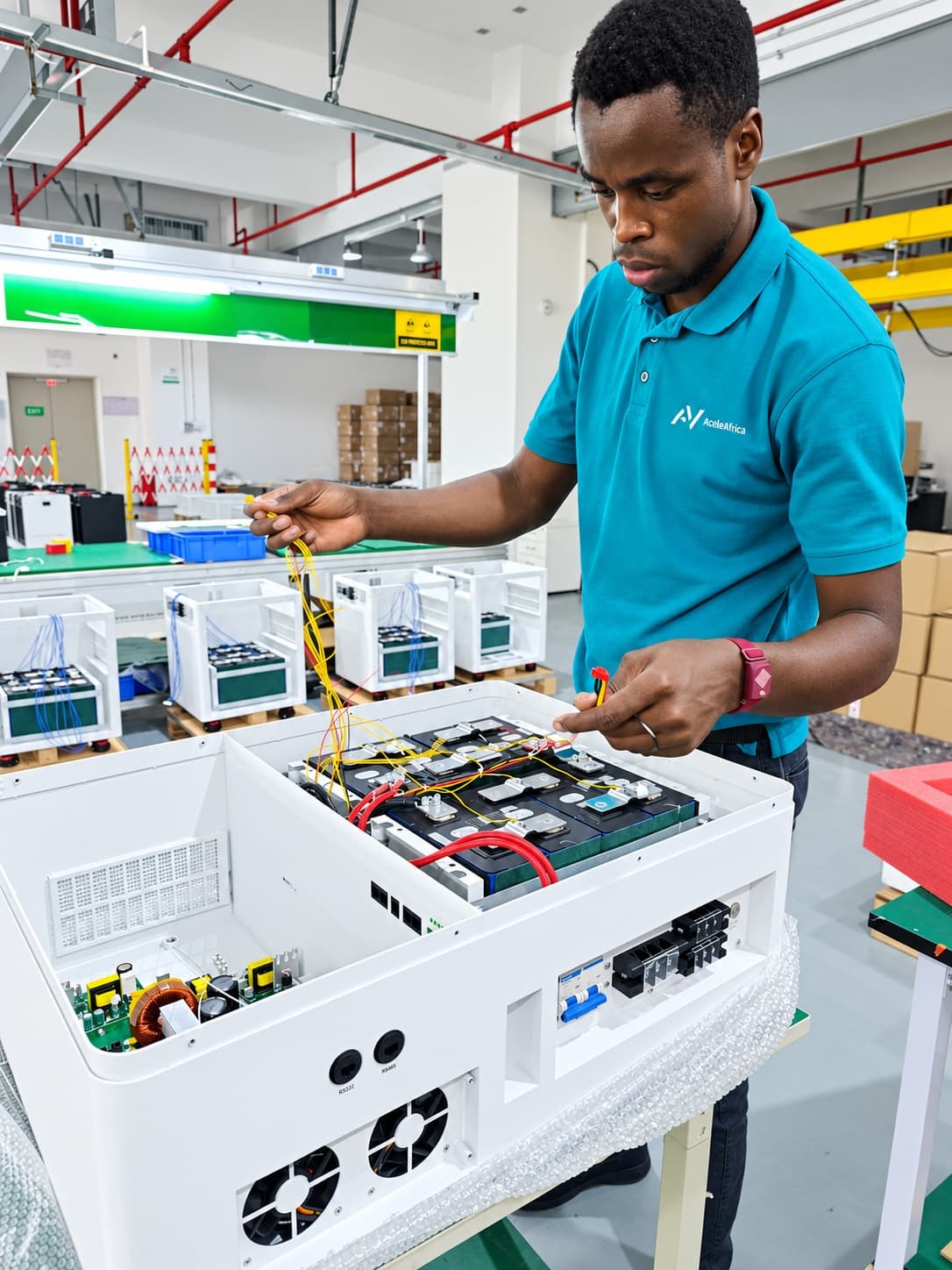
In Kenya, Acele Africa and SHIELD are driving clean energy solutions for healthcare facilities.
Acele Africa says it will deploy locally designed and assembled modular battery systems to help hospitals, schools and small businesses move away from diesel generators in areas with unreliable grid power. Its CEO Joseph Mungai says the project will focus on developing reliable, repairable and scalable energy storage systems that can operate and expand over time.
“The next chapter of Africa’s energy story will be shaped by how intelligently we generate, store and use power. Through the Beyond-Zero Project, we are showing what that future can look like: healthcare facilities able to deliver essential services reliably, SMEs able to operate and grow with greater confidence, and locally developed energy storage proving that reliable, zero-emission power can be both scalable and commercially viable,” said Mungai.
The initiative is backed by the UK Government’s Ayrton Fund through the Transforming Energy Access platform and funded through its Global Research and Technology Development portfolio.
The latest ZE-Gen projects support companies that have already demonstrated promising technologies and approaches through earlier innovation programmes, including Energy Catalyst and Powering Renewable Energy Opportunities.
They will deploy and test proven renewable energy technologies in real-world settings, helping companies transition from successful pilots to larger-scale deployment. They will also demonstrate how clean energy can support essential services, strengthen local economies and improve resilience in off-grid and weak-grid communities.
The projects span various sectors and applications across Africa. Kenya will benefit from new clean energy systems for hospitals, while Uganda will receive battery-powered telecommunications infrastructure.
In Mozambique, the projects will support renewable-powered fishing and cold-chain hubs, while Nigeria will deploy solar-powered food storage and processing facilities. Madagascar will benefit from community electrification projects, while Lesotho is also among the beneficiary countries.
ZE-Gen Programme Director Lily Beadle says UK-backed innovation programmes have helped businesses develop and test solutions to replace fossil-fuel generators, with the next challenge being to scale the most successful approaches.
“These ZE-Gen-supported projects show how clean energy can power the services and businesses people rely on every day, from hospitals and telecommunications networks to food systems and local enterprises,” she said.
“Through the ZE-Gen Scale-up Fund, we are helping innovative companies move from pilot projects to larger-scale deployment, creating new opportunities for investment while delivering cleaner, more reliable and affordable energy where it is needed most,” Beadle added.
The UK has been expanding partnerships with African countries on clean energy and other areas of sustainable development.
Globally, more than 1.5 billion people lack consistent access to electricity, with many relying on highly polluting generators that have been linked to health risks, including respiratory illness and hearing loss.



Comments
No comments yet. Be the first to share your thoughts.