
US-Iran war keeps oil above Sh13,658 despite emergency reserve release

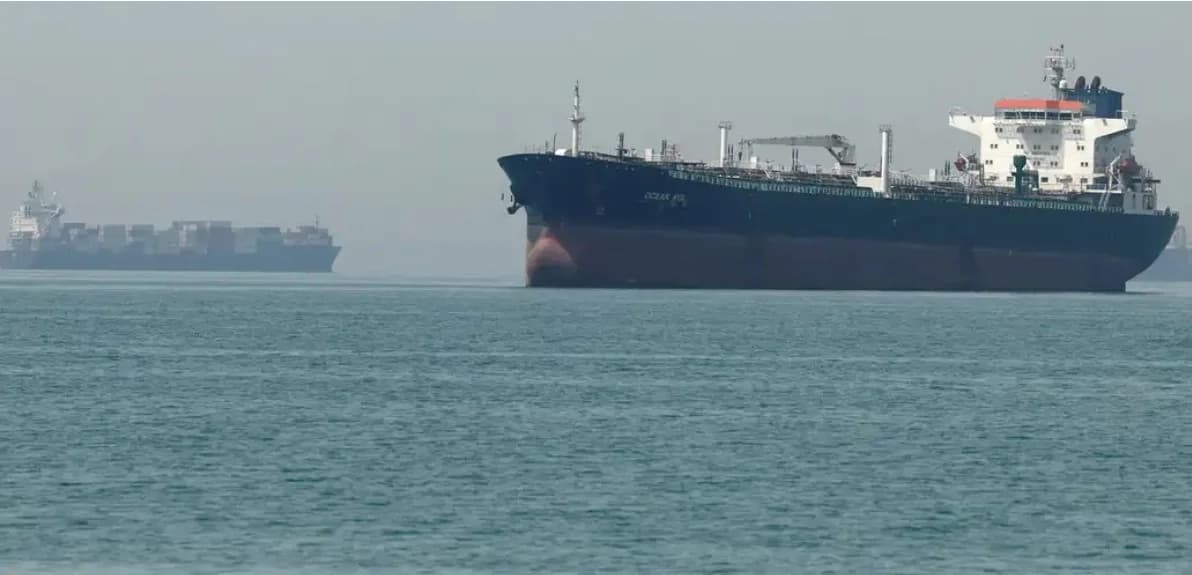
The Strait of Hormuz is a critical passage for crude oil and refined petroleum products from Gulf producers, meaning prolonged disruptions could tighten supplies and sustain pressure on international fuel prices.
Benchmark oil prices remained above $105 (Sh13,630) per barrel on Friday and were on course for a weekly gain as escalating tensions in the Middle East threatened supplies through the strategic Strait of Hormuz.
Brent crude, the international benchmark, traded at $105.21 (Sh13,658) a barrel, down slightly on the day but retaining gains for the week as traders weighed mounting shipping risks against efforts to release emergency reserves.
The market remains on edge after the US Central Command confirmed that a Singapore-flagged container ship that sank in the Strait of Hormuz earlier in the week was struck by an Iranian projectile, deepening concerns over the security of one of the world's most important energy shipping routes.
Rising tensions involving Saudi Arabia and Iran-backed Houthi forces in Yemen have added to fears that further attacks could disrupt oil shipments and push transportation costs higher.
The Strait of Hormuz is a critical passage for crude oil and refined petroleum products from Gulf producers, meaning prolonged disruptions could tighten supplies and sustain pressure on international fuel prices.
Some relief could, however, come from the International Energy Agency (IEA) member governments, who have agreed to accelerate the release of the remaining 100 million barrels of emergency oil stocks under a coordinated intervention launched in March.
Latest Stories
- African countries could save billions by cutting air pollution and greenhouse gases at the same time
- Nominated Senator Crystal Asige joins Winnie Odinga and Jalang’o in Nairobi Senate race
- Tusker FC suffer home defeat as Singida strike puts CAF Confederation Cup hopes at risk
- Ecuadorian priest dies after giant wooden crucifix crashes down on him during live-streamed Mass
The move follows the release of about 330 million barrels so far, with the latest phase including more than 20 million barrels of diesel as governments seek to ease particularly tight supplies of the fuel.
“As we did in March, I believe we can once again demonstrate the IEA’s capacity to act together in support of energy security and economic stability,” IEA Executive Director Fatih Birol said.
However, the stock release may offer only temporary relief if shipping disruptions persist and normal oil flows through the strait fail to recover.
Diesel markets are facing additional pressure from disruptions to Russian refinery output following Ukrainian attacks, compounding the impact of reduced supplies from the Gulf.
Overall, the combination of elevated crude prices, expensive shipping and tight refined-fuel supplies threatens to increase costs for transport operators, manufacturers and households, while raising the risk of renewed inflationary pressure across oil-importing economies.



Comments
No comments yet. Be the first to share your thoughts.