
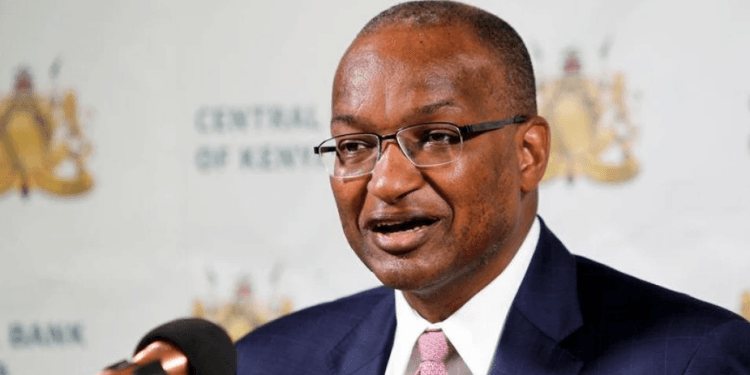
Former Central Bank of Kenya (CBK) Governor Patrick Njoroge has revealed the reasons behind the closure of Dubai Bank, Imperial Bank and Chase Bank in quick succession, saying the move was necessary for the banking sector.
Speaking about his tenure at the Central Bank, Njoroge said the closures were part of efforts to strengthen the banking sector, improve discipline and address weaknesses in corporate governance.
He explained that CBK had to act after problems emerged at some banks that had previously been allowed to continue operating, following years of lenient regulation.
“We had to deal with three banks in quick succession. It was necessary to shut them down and really insist on what the rules were and that they follow the rules. The governor is just saying that we must now strengthen and remove the weaknesses in our banking system,” he narrated.
How the Closures Influenced the Economy
Dubai Bank was the first of the three lenders to be shut down in August 2015. Njoroge said its relatively small size meant its closure had a limited impact on the wider banking sector.
Imperial Bank followed in October 2015, with its closure causing a bigger shock to the sector.
However, Njoroge said the biggest impact came with the closure of Chase Bank on April 7, 2016, which sent jitters across the banking sector.
“Chase had, you know, in my language, had the face of Kenya. Very diverse depositors, et cetera. And that, I think, was good in the long run, or even in the medium term, because the banks began to do what they should have done,” Njoroge said.
The action against the three banks, he said, ultimately helped push other financial institutions to strengthen their operations and adhere more closely to regulatory requirements.
Njoroge Recalls Interest Rate Cap Battle After Three Banks Were Closed
He recalled the challenges CBK faced in 2016, including Parliament’s decision to introduce interest rate caps amid growing public concern over the high cost of borrowing.
Parliament passed the law in September 2016, limiting commercial banks’ lending rates to four percentage points above the Central Bank Rate.
Njoroge said CBK had warned that the measure would hurt the economy by restricting access to credit, but the warnings were not heeded.
He described the interest rate cap as an unexpected setback for the economy.
According to Njoroge, the interest rate caps eventually resulted in credit rationing before they were removed.
He also identified weaknesses in CBK’s internal systems and technology infrastructure as another major challenge during his tenure.
Njoroge said upgrading the bank’s systems, processes and staff capacity was critical to strengthening its ability to carry out its mandate effectively and meet modern financial demands.
He described the overhaul as a critical undertaking, warning that a major failure of CBK’s systems could have had serious consequences for the wider economy.
The bank therefore invested in strengthening its technology, processes, workforce and technical skills to bring its operations up to modern standards.
Major Change in His Tenure
Another major development during Njoroge’s tenure was the redesign of Kenya’s currency following the 2010 Constitution, which required banknotes and coins to reflect Kenya’s heritage while avoiding portraits of individuals.
CBK began issuing a new generation of banknotes in 2019. The rollout featured new designs showcasing Kenya’s national heritage, including images of wildlife and iconic landmarks, while removing the portraits of former presidents that had appeared on earlier notes.
The currency overhaul also included the demonetization of the old KSh1,000 notes, which CBK said was aimed at combating illicit financial flows and strengthening the integrity of the financial system.
Follow our WhatsApp Channel and X Account for real-time news updates.



Comments
No comments yet. Be the first to share your thoughts.