
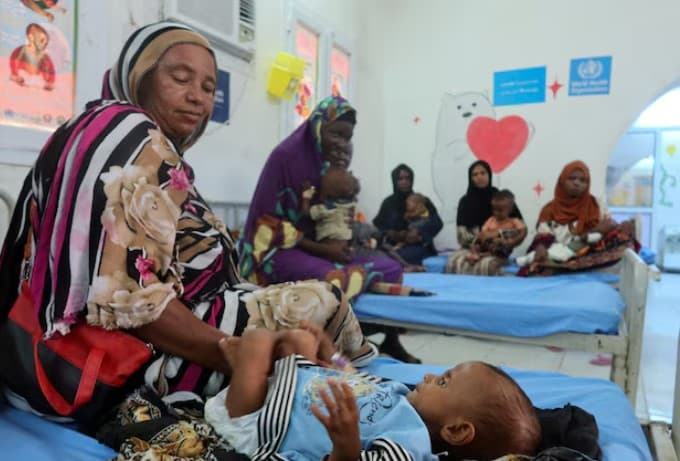
World Food Day: Child nutrition crises receive less than a third of funding needed - report

In Somalia, an estimated 1.92 million children under five will require treatment for acute malnutrition in the 12 months to June 2027, with forecast El Niño flooding threatening to deepen the crisis.
Millions of children facing hunger and malnutrition risk going without life-saving treatment as humanitarian nutrition programmes receive less than a third of the funding they need.
An analysis by Save the Children in marking this year’s World Food Day found that nearly 20 countries experiencing severe malnutrition, food insecurity and poor health indicators had received just $3.1 billion (Sh402.7 billion) of the $10 billion (Sh1.3 trillion) required for food security, nutrition, healthcare, water and sanitation programmes as of early October.
The funding gap leaves programmes with only 31 per cent of their requirements met, threatening efforts to prevent and treat malnutrition in some of the world's most vulnerable communities, including Sudan, Yemen and Somalia.
The shortfall comes as more than 43 million children globally suffer from acute malnutrition, a condition in which children weigh too little for their height, undermining their health and development.
Malnutrition contributes to 45 per cent of deaths among children under five, according to the report.
The outlook is expected to worsen with the anticipated El Niño weather event, which could trigger severe droughts, flooding, crop failures and livestock losses, further disrupting food supplies and livelihoods.
Latest Stories
- African countries could save billions by cutting air pollution and greenhouse gases at the same time
- Nominated Senator Crystal Asige joins Winnie Odinga and Jalang’o in Nairobi Senate race
- Tusker FC suffer home defeat as Singida strike puts CAF Confederation Cup hopes at risk
- Ecuadorian priest dies after giant wooden crucifix crashes down on him during live-streamed Mass
In Somalia, an estimated 1.92 million children under five will require treatment for acute malnutrition in the 12 months to June 2027, with forecast El Niño flooding threatening to deepen the crisis.
Yemen faces another severe challenge, with an estimated 2.2 million children, nearly one in four, acutely malnourished following years of conflict and economic hardship.
About 500,000 children are suffering from severe acute malnutrition, a life-threatening condition that can cause muscle wasting, weakened immunity and organ dysfunction if left untreated.
“Too many children have historically been reached only after malnutrition has become severe, dangerous and expensive to treat,” said Andrew Beckingham, Save the Children International’s nutrition lead.
In reaction to the concern, the organisation has launched Nourished Futures, a global initiative seeking to raise $300 million (Sh39 billion) to prevent and treat child malnutrition and illness in humanitarian settings.
Save the Children says tackling the crisis requires more than food supplies and therapeutic supplements.
It thus calls for stronger healthcare systems, breastfeeding support, immunisation, clean water, sanitation and early detection to prevent children from developing severe malnutrition.
“While the coming year will bring unprecedented challenges as the impacts of funding cuts, the climate crisis, El Niño and conflict continue to deepen, acting earlier can save more lives, reduce costs, and help families protect children in the most vulnerable communities before crisis takes hold,” Beckingham added.
“Governments, donors, and the international community must act with urgency to save children's lives and prevent a child survival crisis.”
The organisation argues that earlier intervention and sustained investment in prevention, community screening and treatment could reduce deaths and help families withstand future shocks.


Comments
No comments yet. Be the first to share your thoughts.