

Coffee farmers in Kirinyaga are benefiting from improved access to high-yielding coffee seedlings and alternative income-generating enterprises as cooperatives and development partners step up efforts to strengthen livelihoods in the sector.
The initiatives, being implemented through the Rainforest Alliance-led Bringing the Future of Coffee to Stay project, are aimed at improving coffee production while helping farmers diversify their sources of income and build resilience to climate change.
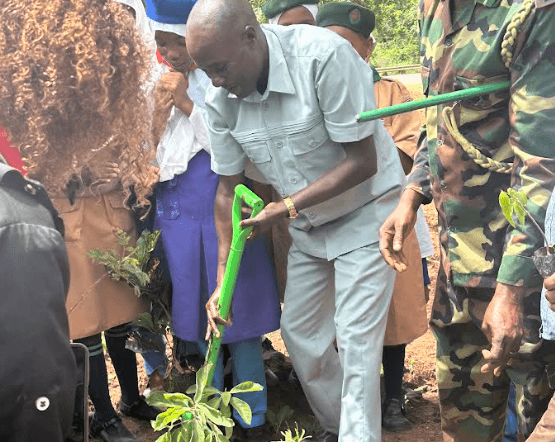
At Inoi Farmers Cooperative, two nurseries are being established and equipped with 20,000 Ruiru 11 coffee seedlings. The project will also support the production of 10,000 avocado and 10,000 macadamia seedlings, alongside shade trees to promote agroforestry.
According to Daniel Mwangi of the Rainforest Alliance, the additional seedlings will enable the cooperative to produce about 2,000 seedlings annually for sale to farmers at a subsidized price.
“We are looking at three areas. One is regenerative and smart agriculture, where 100 lead farmers have been trained and this has helped us reach 2,500 farmers,” Mwangi said.
Speaking during a coffee stakeholders meeting Mwangi added that the project has also trained nursery operators in coffee nursery management, including grafting, to ensure farmers have access to quality planting material. The initiative is expected to make coffee seedlings more affordable while enabling the cooperative to generate revenue to sustain the nurseries.
Inoi Farmers Cooperative chairperson Felix Moridi Mwai said farmers were already benefiting from the arrangement, with seedlings being sold at Sh40 each.
“We are happy that the nursery project at Inoi has been enhanced. We are now able to ensure that our farmers access seedlings at a subsidized price of Sh40, and our farmers are very happy,” Mwai said.
Beyond seedlings, the cooperative is also benefiting from training in regenerative and climate-smart agriculture, certification, record keeping and financial literacy. Mwai said five groups within Inoi had received training in record keeping and financial management, which he described as critical to strengthening farmers’ enterprises.
He called for similar partnerships to be extended to other coffee-growing regions, saying collaboration among farmers, cooperatives, development organizations and buyers was key to securing the future of the coffee industry.
“We wish this collaboration to be duplicated in other parts of the country so that we can see better coffee and a better future for coffee,” he said.
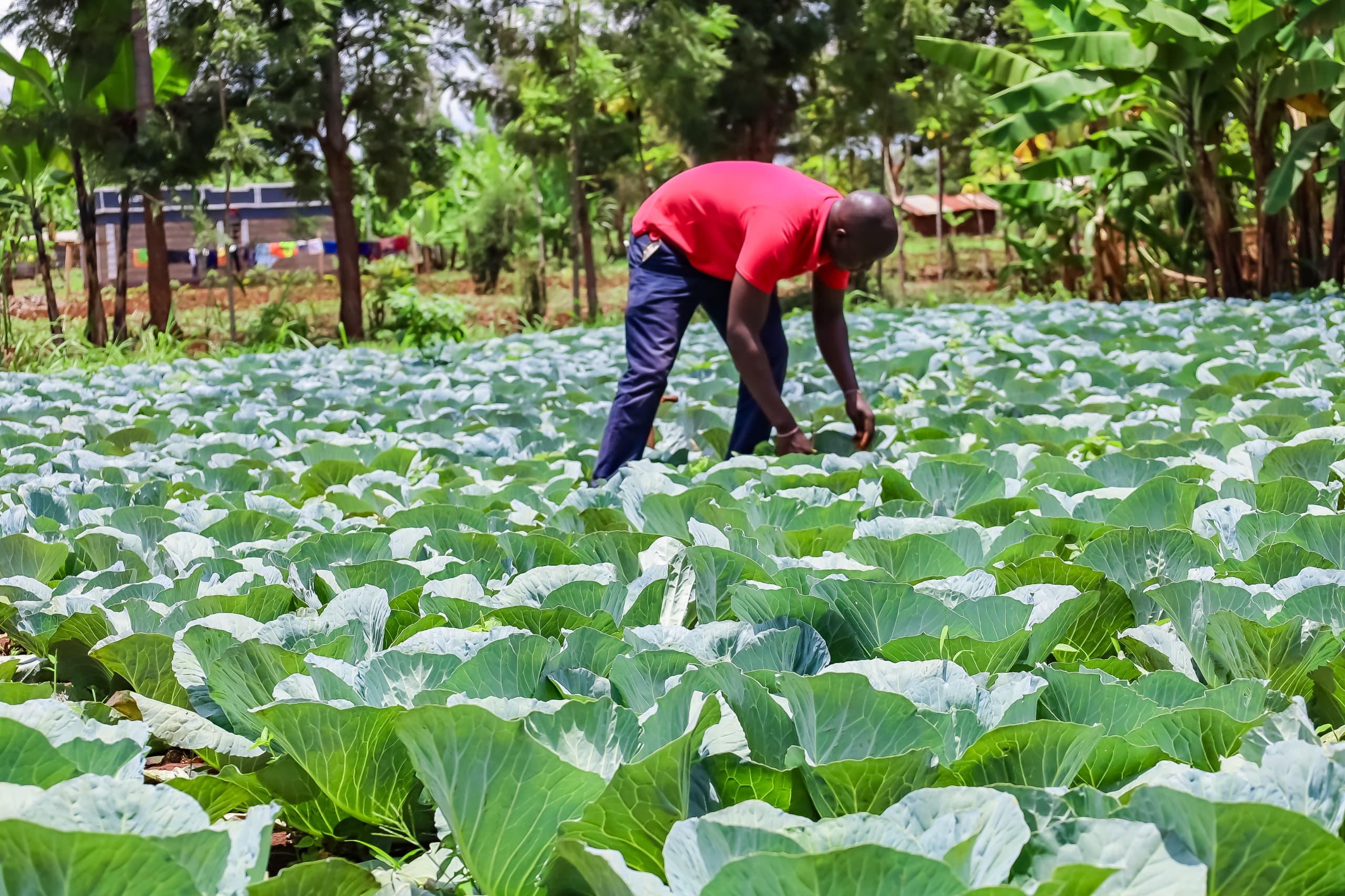
The project is also promoting livelihood diversification through self-help groups and village savings and loan associations intended to give coffee-growing households alternative sources of income while reducing their reliance on coffee earnings alone.
Similar diversification efforts are producing results in the dairy sector, where farmers affiliated with New Ngariama Cooperative Society have benefited from improved dairy breeds.
According to the society’s chairperson, Phinious Nyaga, the cooperative partnered with the Mount Kenya Sustainable Landscape and Livelihoods Program (MSulli) project to help farmers acquire high-yielding dairy animals.
The first group of farmers received animals that were already in calf. Within months, some of the improved breeds were producing an average of 20 litres of milk per day, compared with six to eight litres from the farmers’ previous animals.
Farmers who benefited from the first round of financing repaid their loans in full, enabling the cooperative to extend another round of loans to eight new farmers.
The initiatives point to a broader shift in coffee-growing areas, where farmers are increasingly being encouraged to combine coffee with other agricultural enterprises and climate-smart practices.
By Mutai Kipng’etich
Comments
No comments yet. Be the first to share your thoughts.