
The government has stepped up investment in fisheries and aquaculture in Kilifi and Kisumu counties, with billions of shillings being channelled into modern landing sites, cold-storage facilities, processing infrastructure, research and programmes targeting women and youth.
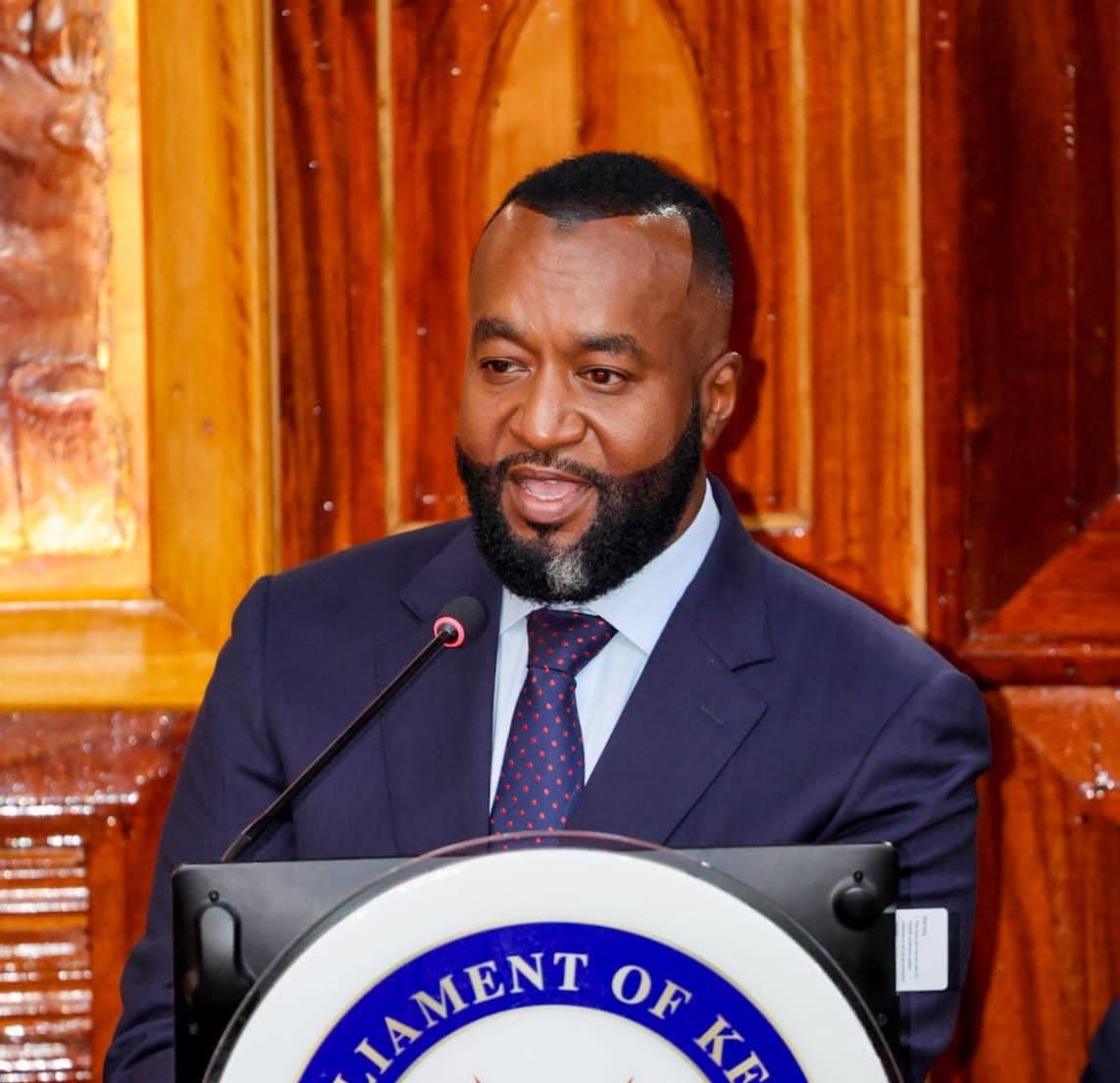
Mining, Blue Economy and Maritime Affairs Cabinet Secretary Hassan Joho told the Senate that the investments were part of a broader national strategy to improve fisheries management, strengthen food and nutritional security and create jobs and incomes for communities dependent on the blue economy.
Joho was responding to questions from Minority Leader and Kilifi Senator Stewart Madzayo and Kisumu Senator Prof. Tom Ojienda on the status of Government investments in the two counties since 2022.
Senator Madzayo had sought details on investments in Kilifi, including jobs created for women and youth, the development of landing sites and cold-storage facilities, and measures to address climate change, pollution and declining fish stocks.
Prof. Ojienda, meanwhile, sought an update on projects in Kisumu, including their implementation status, completion timelines and the condition of landing and cold-chain facilities.
In Kilifi, the Kenya Marine Fisheries Socio-Economic Development project has funded 287 Common Interest Groups at a cost of Sh983.64 million, benefiting 21,107 people.
The beneficiaries comprise 10,419 women and 10,688 youth engaged in fisheries, agriculture, livestock, environmental conservation, social welfare and small and medium enterprises.
According to Joho, the interventions have created employment and livelihood opportunities both directly through project activities and indirectly through fisheries value chains.
The Government has also completed modern fish landing facilities at Ngomeni, Kichwa Cha Kati and Malindi at costs of Sh48.62 million, Sh51.78 million and Sh54.98 million respectively.
The facilities are expected to reduce post-harvest losses, improve food security and increase earnings for fisherfolk while helping ease pressure on fishing grounds.
Another major project, the Kilifi Central Fish Landing Site, is being constructed at a cost of Sh275.07 million and is 85 per cent complete.
Once operational, the facility is expected to benefit about 3,000 people directly, mainly Beach Management Unit members, and another 15,000 indirectly through fishing, fish handling, trading, transportation, processing and other value-chain activities.
The Government is also constructing the Kilifi Central Fisheries Office at a cost of Sh152.36 million, while renovation of the Malindi Fisheries Office is costing Sh53.89 million. Both projects are about 99 per cent complete.
Additional landing sites are planned at Mayungu, Watamu, Mtwapa, Takaungu, Kuruwitu, Uyombo, Ngomeni, Malindi and Bofa.
The proposed facilities will incorporate fish markets, ice plants, cold stores, processing areas and jetties, in a move aimed at strengthening the fisheries value chain and reducing losses.
The Government is also stepping up measures to protect fishing communities from the effects of climate change.
Joho said the State Department for Blue Economy and Fisheries was implementing both nature-based and mechanical interventions to protect coastal and freshwater communities from emerging climate threats.
Along the coast, about 2.4 million mangrove seedlings have been planted, while seaweed farming has been promoted as an alternative livelihood.
The Government has also introduced early warning systems to provide fishing communities with oceanographic information to guide fishing operations and improve safety at sea.
In Kisumu, the Government is developing the Kabonyo Regional Fisheries and Aquaculture Service and Training Centre of Excellence.
The project, valued at US$9.997 million, equivalent to about Sh1.299 billion, was approved in November 2022 and is being financed through a tied-aid credit from the Hungarian Government.
The centre is expected to strengthen fisheries and aquaculture services, training and technical capacity in the Lake Victoria region.
Joho said the investments formed part of a national programme designed to harness fisheries resources for economic development while improving livelihoods and food security.
He said the Government would continue investing in infrastructure and programmes aimed at unlocking the economic potential of Kenya’s blue economy and ensuring communities benefit from fisheries resources.
by Joseph Ng’ang’a

Comments
No comments yet. Be the first to share your thoughts.