
The Tana River County Department of Health has called for consolidation of all efforts in the health sector by various development partners with an aim to strengthen coordination among its partners and improve the delivery of healthcare services to the county’s residents.
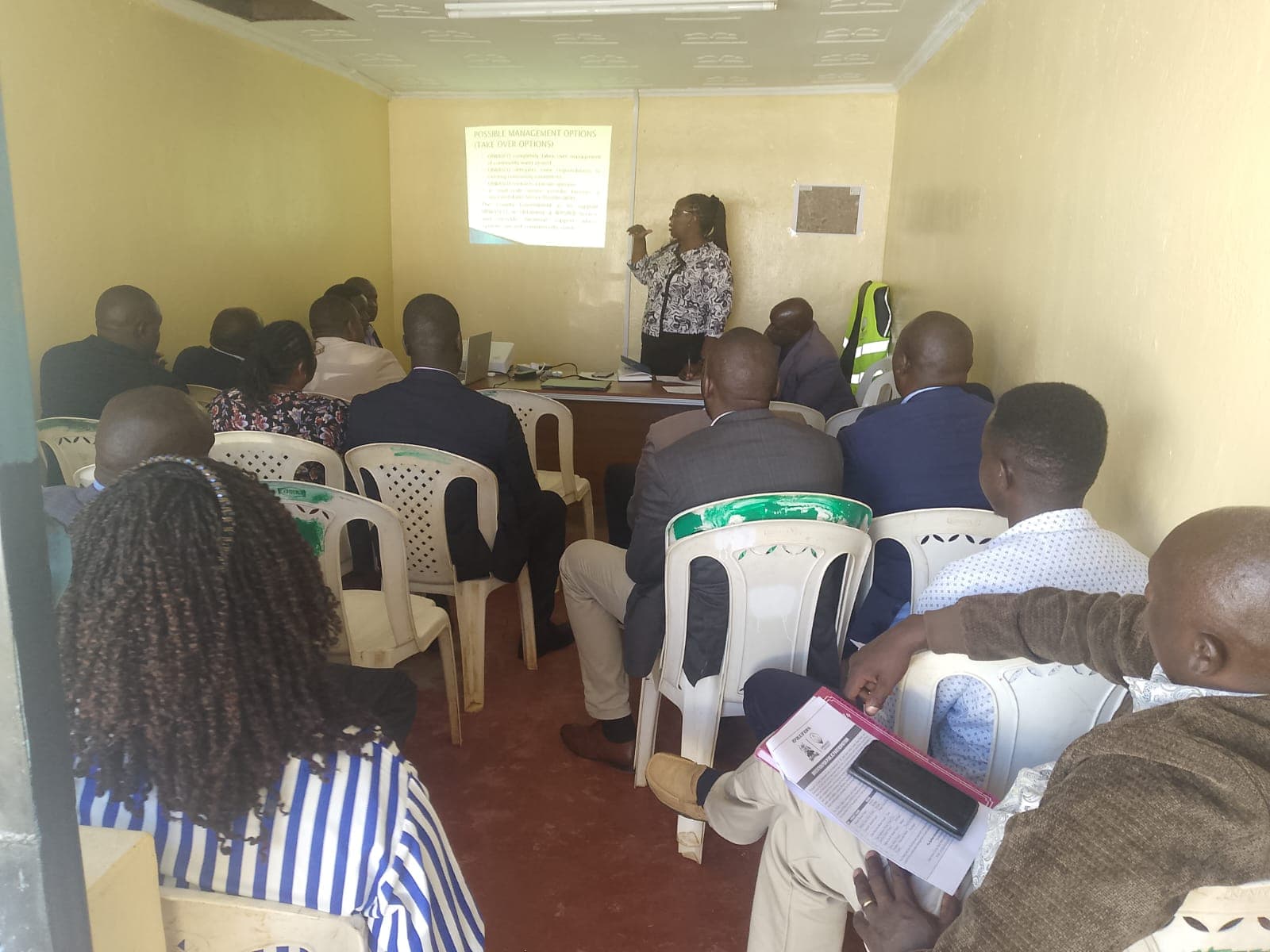
This was during a two-day forum in Hola, which brought together non-governmental organizations, community-based organizations, and other stakeholders in the health sector where emphasis was placed on the need to harmonize and reduce duplication of services across various parts of the county.
Speaking during the meeting, the county Chief Officer for Health Ali Mluwa urged the partners to focus their efforts on the more critical areas in the county, including maternal and child health, referral services, and the availability of medical equipment and supplies to enhance the provision of services to the public.
Mluwa regretted that Tana River was among the leading counties in maternal and newborn deaths and called on all the organizations to work closely to reduce the rates.
At the same time, the Chief Officer said that the department was keen on improving the status of the Hola General Hospital for referral cases, noting that all referrals from the county were being handled in Mombasa or Garissa, costing more time to access services and also taking a toll on the ambulances which have to travel long distances.
“We call upon the partners we have, that we have areas of great concern, like areas of maternal deaths where Tana River county is leading in the country. The challenges have been there and it is all of us to come together and fix this problem. We are working around the clock to make sure we minimize the referrals we are having from the county. The road from Hola to Mombasa, or to Garissa, if you look at our ambulances plying on this road, it is disturbing,” Mluwa said.
The county director for health services Dr. Nicholus Mwenda reiterated that there was a need for all the stakeholders to work as a team, and consolidate their funds so as to achieve more results by avoiding duplication of services or focusing on areas that need less attention.
“In the past, as a department of health, we were not able to bring all the efforts of our partners in one stream. Partners have been implementing programmes from different areas, for example, you find a partner is implementing something like nutrition in Bura and the other partner is implementing the same in Galole or even get two partners implementing the same activities in one sub county, sometimes duplicating efforts and sometimes suppressing the efforts of each other, in terms of the approach,” Dr. Mwenda said.
“What we want to achieve now is that we want to make the partners and the department of health to list down what they are doing in one point so that, because we have serving the same people, the same interventions, and the same preventive measures, we want what the partners are doing and what the department of health is doing, the cost associated with these efforts to be on one page so that we are able to act as a team,” he added.
by Erick Kyalo


Comments
No comments yet. Be the first to share your thoughts.