
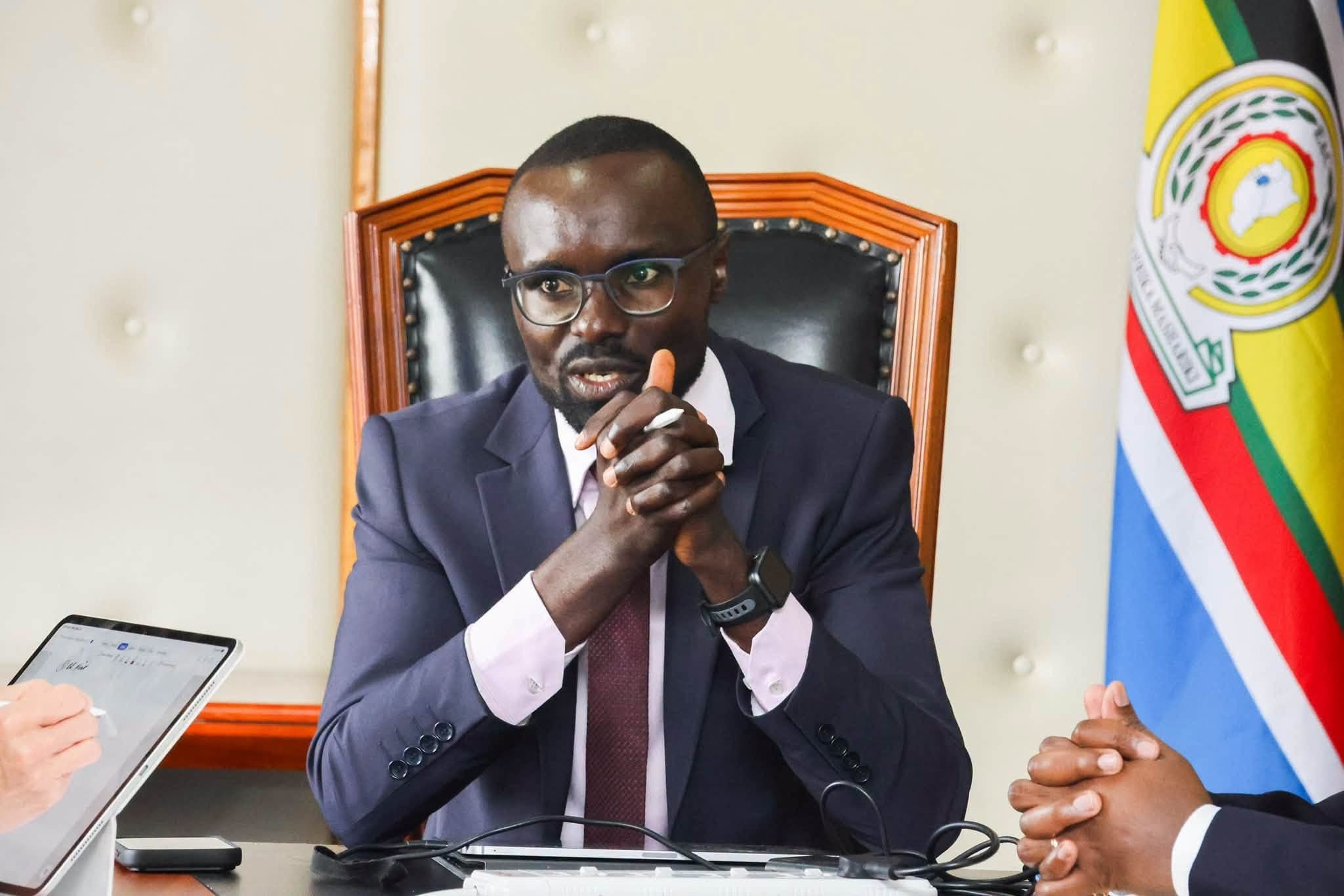
The Government has stepped up engagement with the World Bank to accelerate the implementation of major water, sanitation and irrigation projects aimed at improving water security, boosting food production and strengthening climate resilience across Kenya.
Water, Sanitation and Irrigation Cabinet Secretary Eric Mugaa, together with Principal Secretary for Water and Sanitation Julius Korir and Principal Secretary for Irrigation Ephantus Kimotho, held talks with a World Bank delegation led by Regional Practice Director for the Planet Department in Eastern and Southern Africa Anna Wellenstein at Maji House, Nairobi.
The meeting reviewed the progress of key World Bank-supported programmes and explored measures to speed up implementation and maximise their impact on communities.
Among the projects discussed was the Mwache Dam Project in Kwale County, a strategic investment expected to strengthen water supply and improve water security in the Coast region.
The officials also reviewed the Horn of Africa Groundwater Resilience Programme, which covers Turkana, Marsabit, Mandera, Wajir and Garissa counties.
The programme is aimed at strengthening access to reliable groundwater resources and improving the resilience of communities in some of the country’s most water-stressed areas.
The meeting further assessed progress on the Lower Nzoia Irrigation Project and the Kenya Resilience Irrigation for Sustainable Economies (K-RISE) Programme.
The irrigation projects are designed to expand agricultural production, increase the area under irrigation and strengthen the resilience of farming communities to climate-related challenges.
The Government said the investments remain critical to improving water and food security while supporting sustainable economic development in vulnerable communities.
The Ministry reaffirmed its commitment to working closely with the World Bank and other development partners to accelerate implementation of strategic water, sanitation and irrigation projects.
The partnership, officials said, will be critical in ensuring that investments translate into sustainable and tangible benefits for communities across the country.
By Joseph Ng’ang’a
Comments
No comments yet. Be the first to share your thoughts.