
Kiambu County’s liquor licensing committee is reviewing its approach to licensing and enforcement ahead of county-wide inspections scheduled to begin in November, with a focus on strengthening compliance, improving transparency in license approvals and addressing public concerns over illicit alcohol.
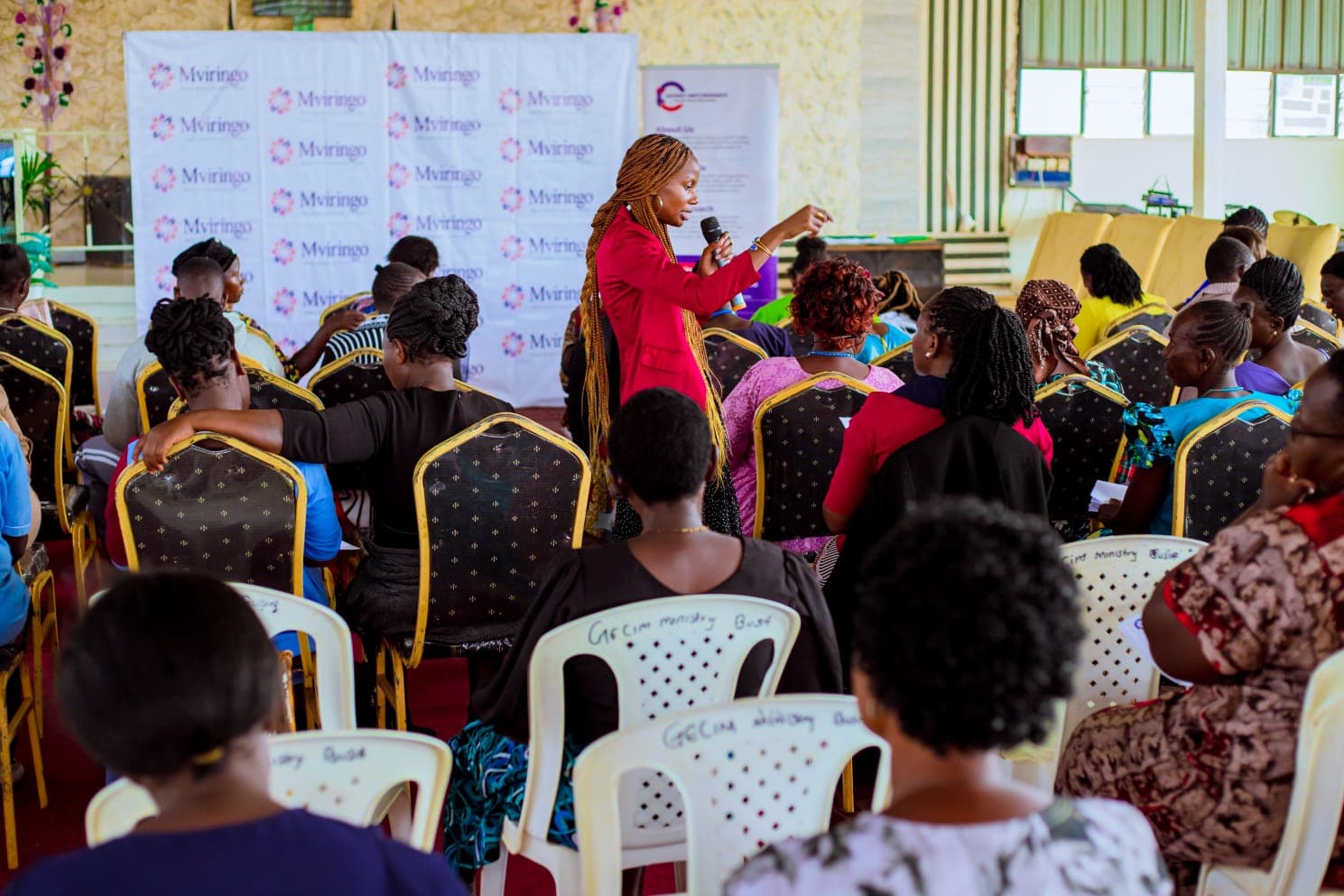
On Thursday, October 29, the Chief Officer for Administration Martin Kangiri chaired one such meeting at the county offices in Nova. It brought together the Kiambu and Kiambaa sub-counties committee members, comprising liquor licensing officers, police, public health and environment departments, ward administrators, municipal management and representatives of bar owners.
Kiambu County Director of Alcoholic Drinks Control Michael Kang’ethe, who is the secretary to the county liquor committee, said the inspection exercise would assess outlets seeking new licences or renewals following the October 28 deadline for applications.
Kiambaa Sub-County had received 213 applications, compared with 335 in the previous licensing period, while Kiambu had received 169 against 349 in the last years.
“It does not matter if the person has been operating for the last 10 years. It is not a guarantee that their licence should be renewed,” the director asserted.
He acknowledged the county had received increased public complaints about liquor licensing and the sale of illicit alcohol in the past two months, prompting tighter scrutiny of outlets.
Kang’ethe further outlined three clear outcomes expected in inspection reports: Recommended, Revisit and Review (for issues such as sanitation facilities), and Not Recommended, with reasons such as security concerns. He encouraged committee members to take their own notes during inspections so they can raise objections during deliberations.
The director said the county was also pursuing adoption of the Kiambu County Alcoholic Drinks Control Amendment Bill 2026 by the County Assembly.
“In 2 or 3 weeks the county assembly will have passed it. They may make changes to some of our proposals, but there are some we are sure will be passed,” he exuded.
One of the proposals seeks to revert licensing oversight to sub-county alcoholic drinks regulation committees, allowing deputy county commissioners and assistant county commissioners to participate more directly in the process.
The proposed amendments also seek to tighten regulation of traditional liquor, including muratina, which Kang’ethe said had increasingly been sold in bars despite concerns raised by community representatives.
“We had consultations with the Kiama Kia Ma, and they strongly held that muratina is purely a traditional rink and it should not be commercialised. For those who will be approved to brew muratina, we will involve Kiama Kia Ma.”
Particular scrutiny will be applied to bars and restaurants. “We have had a difficult time with these ones. If one does not meet these requirements, do not approve them. Some of these people are very mischievous. They feign a functional kitchen during inspection and after that revert purely to selling alcohol,” Kang’ethe explained.
On noise pollution, the committee put the spotlight on Kiambu and Kiambaa. Soundproofing will be required before approval, and non-compliant outlets risk suspension or cancellation of licences under Section 40 of the existing law.
Joseph Kariuki, Kiambu County chair of the bar owners’ association, welcomed the recommendations, urging for a fair and transparent exercise.
“As we embark on this inspection exercise, let us be fair, and we will not have cases of traders going to court,” Kariuki added.
Enforcement Director Dan Kirathe noted that the county had not recorded alcohol-related deaths in the past one or two months, an indication that current efforts were yielding results.
On his part, Chief Officer Martin Kangiri stressed that the problem is not the number of outlets or the regulated liquor business itself, but the content being sold and vested interests.
“Early inspections will allow time for outlets flagged for revisit and review to make necessary adjustments,” Kangiri held.
The proposed changes build on the Kiambu County Alcoholic Drinks Control Act, 2024, which established a Directorate of Alcoholic Drinks Control, a county regulatory committee and ward-level committees to regulate production, sale, distribution and consumption of alcoholic drinks.
Similar engagements will be held across the 12 sub-counties ahead of the inspection visits in November to approve licences for the year 2027.
by Rose Muthoni and Grace Naishoo

Comments
No comments yet. Be the first to share your thoughts.