
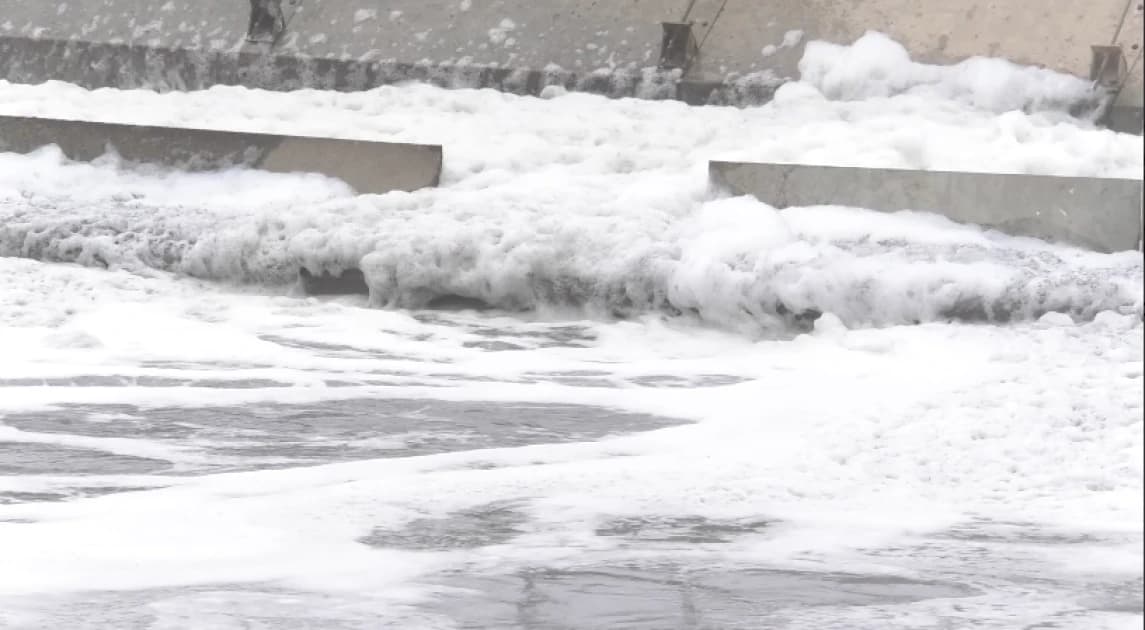
The improvements, undertaken through the Kenya Sustainable Urban Water Supply and Sanitation Programme, have expanded access to sewerage services, reduced environmental pollution and introduced renewable energy solutions to support sustainable water supply.
Residents of Limuru in Kiambu County are benefiting from improved water and sanitation infrastructure as authorities seek to strengthen community resilience against flooding and waterborne diseases amid forecasts of heavy El Niño rains.
In Limuru, the installation of a solar-powered system is expected to improve the reliability of water services while reducing dependence on conventional energy sources.
The project has also addressed longstanding sanitation challenges, including the discharge of wastewater into roadside drainage channels, which previously exposed residents to unpleasant odours and potential health risks.
Robert Njoroge, a resident of Misri, said the sewerage infrastructure had transformed sanitation in the area, eliminating the need for residents to dispose of wastewater through open drains.
According to Njoroge, the previous situation had attracted complaints from public health officers and created an uncomfortable living environment for residents.
The expansion has also significantly increased sewerage coverage in areas served by the local water company.
Boniface Mbugua, the General Manager of KISWASCO, said the implementation of the project had raised sewerage coverage from approximately 15 per cent to nearly 40 per cent.
He noted that close to 800 additional households had been connected to the sewerage network since the project's completion, improving access to sanitation services.
Schools are also among the beneficiaries, with Mary Immaculate and Toto Bright reporting improved sanitation following their connection to the sewerage system.
Mary Immaculate headteacher Esther Gikandi said the infrastructure had reduced the school's dependence on pit latrines, allowing it to preserve land for other development projects.
She explained that continued construction of pit latrines would have consumed space that could otherwise be used for additional school facilities.
At Toto Bright, deputy headteacher Joseph Kiragu said the new system had addressed persistent sanitation challenges, particularly unpleasant odours associated with the school's previous toilet facilities.
Kiragu noted that the improvements had created a cleaner and more conducive learning environment for pupils.
Beyond improving sanitation, the infrastructure is expected to strengthen the area's preparedness for heavy rainfall by reducing the risk of wastewater overflowing into residential areas.
Kiambu resident Nick Gwandaru expressed confidence that the upgraded system would help prevent a recurrence of sanitation problems experienced during previous periods of heavy rainfall.
The project is being implemented by the Athi Water Works Development Agency with funding from the African Development Bank.
It forms part of broader efforts to expand access to sustainable water and sanitation services while improving the ability of urban communities to withstand the effects of climate change.



Comments
No comments yet. Be the first to share your thoughts.