
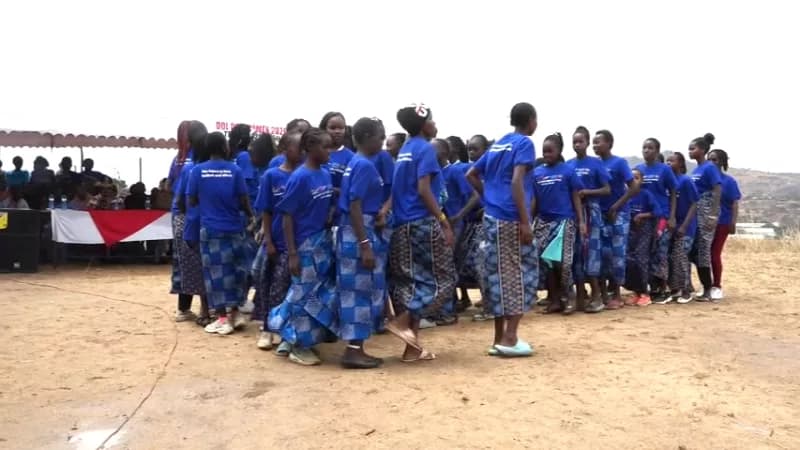
Laikipia girls during a graduation ceremony after undergoing alternative rites of passage at One More Day for Children rescue centre in Doldol on November 1, 2026/ ALICE WAITHERA

As schools close for the long holiday, child rights organisations in Laikipia North are stepping up efforts to protect girls from female genital mutilation, teenage pregnancies and early marriages.
The organisations warn months away from the classroom expose girls, particularly those in pastoral communities, to harmful practices that could interrupt their education and leave many unable to return to school in January.
Although FGM appears to have declined in the region, stakeholders say the practice has not been eliminated; instead, some perpetrators are increasingly resorting to discreet methods to evade detection by law enforcement agencies.
The warning came during the graduation of 300 teenage girls who completed an alternative rite of passage programme in Doldol town, an initiative aimed at helping girls transition into adulthood without undergoing the cut.
The ceremony, organised by Action for Children in Conflict (AfCiC) at the One More Day for Children rescue centre, brought together primary school pupils from across the region.
The girls received certificates and hygiene kits after completing a four-day programme of training and counselling.
For the participants, the initiative provided an opportunity to learn about their rights, physical development, and future choices, while challenging the belief that FGM is necessary to become a woman.
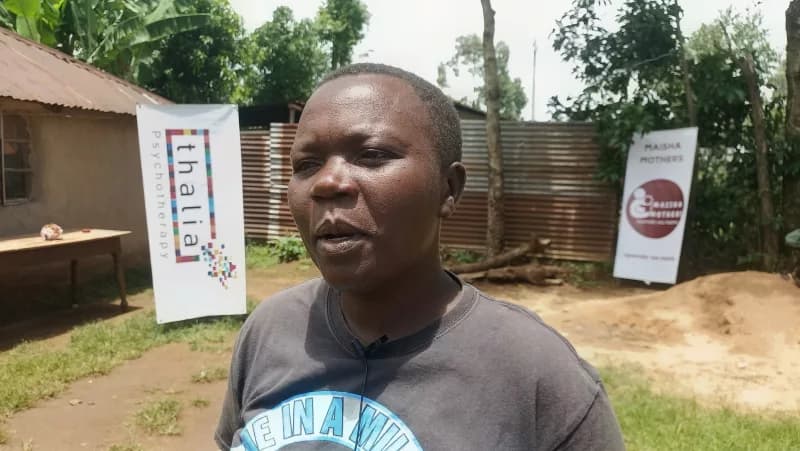
Francisca Kirwa, a resident of Laikipia North, said years of interventions had begun changing local attitudes, with more parents embracing alternative rites of passage and allowing their daughters to continue their education.
However, she cautioned this progress remains fragile, particularly during school holidays when girls spend more time at home and face heightened pressure to undergo FGM or enter early marriages.
"FGM has reduced, but not significantly. I’d estimate it has reduced by about 20 per cent. We must put in more effort, especially during the holidays, because this is when we have the biggest task ahead of us," she noted.
Kirwa urged parents, non-governmental organisations and other stakeholders to work together to protect girls, emphasising they should be allowed to grow and realise their potential without being subjected to the practice.
The concerns came against the backdrop of a national decline in FGM prevalence.
According to the 2022 Kenya Demographic and Health Survey, the proportion of women aged 15 to 49 who had undergone FGM fell to 15 per cent, down from 21 per cent in 2014, 27 per cent in 2008-09 and 38 per cent in 1998.
However, these national figures mask significant regional and cultural disparities.
Prevalence remains high among Somali women at 86.9 per cent, Samburu women at 75.9 per cent, Kisii women at 70.9 per cent and Maasai women at 56.7 per cent.
Furthermore, Unicef's 2025 statistical profile on FGM shows two per cent of girls aged zero to 14 had already undergone the practice at the time of the survey.
Despite Kenya's commitment to eliminate FGM by 2030, the data highlights the ongoing challenge of protecting girls in communities where the tradition remains deeply rooted.
Helen Gathogo, director of One More Day for Children, explained the alternative rite of passage was designed to preserve positive cultural values while abandoning practices that cause physical and psychological harm.
She said the programme does not seek to undermine local culture, but rather to help communities distinguish between traditions worth preserving and those that violate child rights.
"Our work is to support the traditions that are helpful while showing communities the practices that are harmful. A girl can transition into womanhood without undergoing the cut," she said.
Gathogo said acceptance of the alternative rite is growing, adding the 300 graduates were brought to the centre by parents who actively wanted them to benefit from the initiative.
She called for stronger collaboration among organisations in education, child protection and gender-based violence, arguing that safeguarding girls requires a coordinated approach.
Laikipia North deputy county commissioner Samuel Osodo confirmed the government is working with development partners to combat FGM through community sensitisation and alternative rites.
He said school dropouts remain another major concern, especially among girls facing poverty, long travel distances to school, and other social hurdles.
Osodo said the government is partnering with school heads to establish low-cost boarding facilities for vulnerable learners who cannot commute daily, helping to keep girls in class and reduce their exposure to seasonal harms.
Kennedy Njoroge, AfCiC programme manager, said the organisation has reached 700 girls aged between 12 and 16 through alternative rites since launching the initiative three years ago.
The programme educates girls on their rights, the health consequences of FGM, and the importance of making independent decisions about their bodies and futures.
Njoroge urged communities to take collective responsibility for protecting children, asserting that no girl should be forced into harmful practices by her family or society.
The school holiday presents a critical test for efforts to eliminate FGM, as girls face heightened exposure to harmful cultural practices, early marriages and teenage pregnancies while away from school. Although alternative rites of passage are gaining acceptance, persistent high prevalence in some communities shows that progress remains uneven. Protecting girls requires sustained community vigilance, parental support, and stronger interventions to keep vulnerable learners safe and in school.
Francisca Kirwa, a resident of Laikipia North area, during the graduation of 300 girls who underwent alternative rite of passage on November 1, 2026/ ALICE WAITHERA


Comments
No comments yet. Be the first to share your thoughts.