
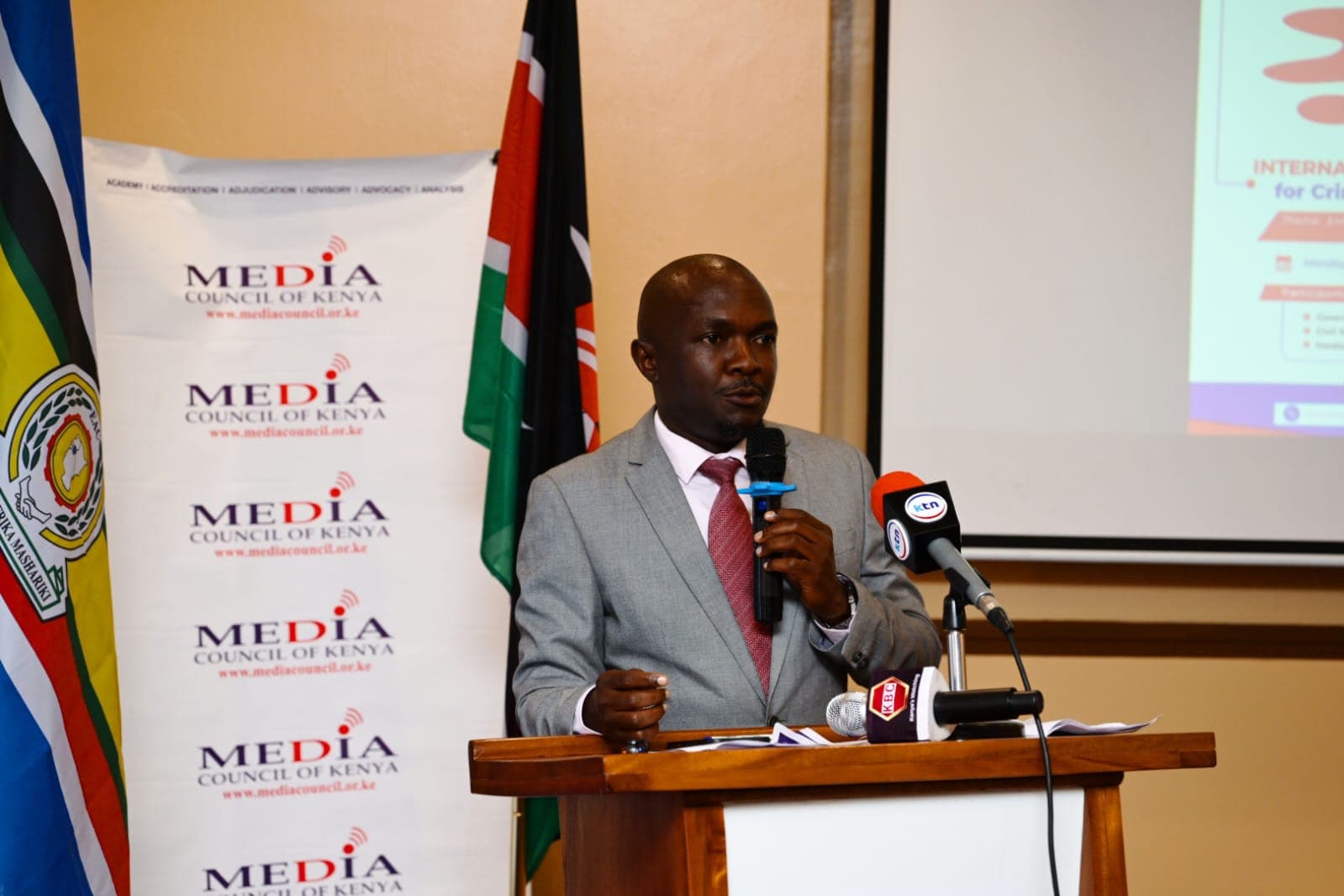
Journalists in Kenya are facing growing threats, intimidation and economic hardships ahead of the 2027 General Election, prompting calls for urgent legal reforms, stronger protection mechanisms and accountability for perpetrators of attacks against media workers.
The concerns emerged during a national dialogue convened by the Media Council of Kenya (MCK) in Nairobi, Monday, to mark the International Day to End Impunity for Crimes Against Journalists.
Held under the theme; “Enhancing Journalists’ Safety and Protection Mechanisms ahead of the 2027 General Election,” the Forum brought together government representatives, media stakeholders and human rights defenders to examine threats to press freedom and the safety of journalists.
MCK Chief Executive Officer, David Omwoyo, warned that verbal attacks and threats against journalists by people in positions of power were contributing to a hostile environment that emboldens others to target media professionals.
He said leaders who publicly threaten or discredit journalists, should be held accountable, warning that normalising such conduct could encourage physical attacks and undermine press freedom.
Omwoyo cautioned against taking the media’s role in society for granted, saying an independent press was essential in safeguarding the public from misinformation and disinformation.
He warned that weakening the media or driving journalists out of their professional roles, would create an information vacuum that could expose the country, to widespread false information.
The scale of the problem was highlighted by MCK Manager for Press Freedom and Advocacy, Rebecca Mutiso, who revealed that the Council documented 47 cases of threats and attacks against media workers between July and September 2026.
The cases included 34 assaults, five threats, two arrests, two incidents involving intimidation and abduction, one harassment case and surveillance.
Mutiso identified police officers and political goons as the leading perpetrators, raising concerns about the safety of journalists covering political activities and public events as the country approaches the 2027 elections.
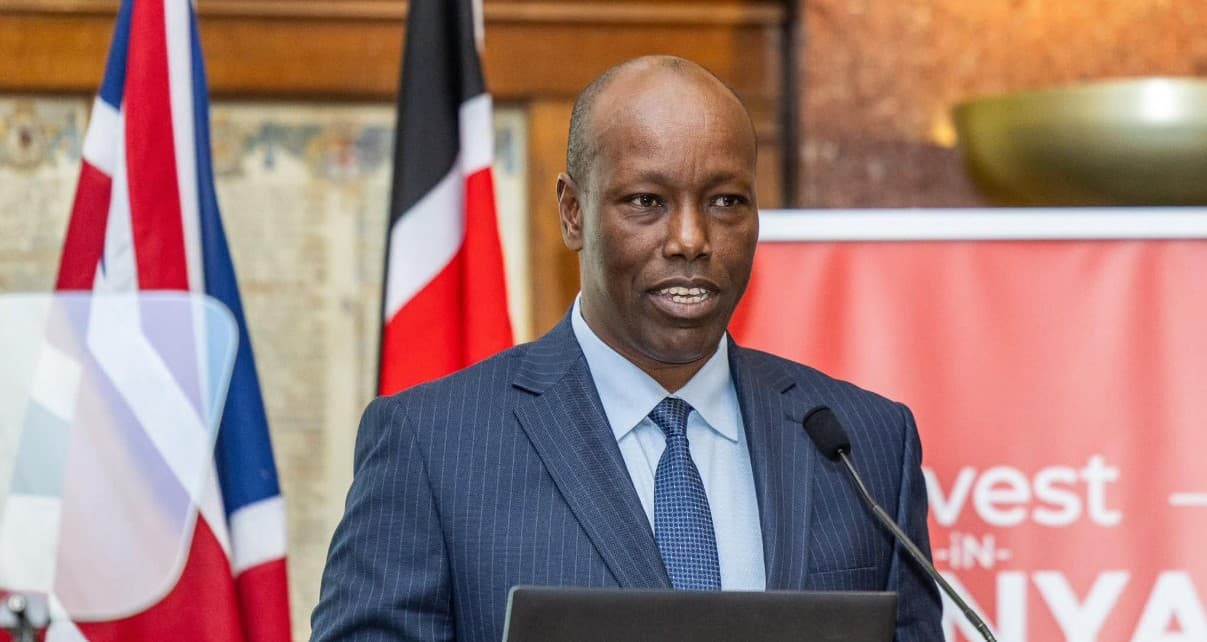
Secretary, Information and Broadcasting, Ministry of Information, Communications and the Digital Economy, Temesi Mukani, re-affirmed the government’s commitment to press freedom and working with industry stakeholders to address violations.
He urged media players to take advantage of emerging policy frameworks, including the Access to Information Policy, to strengthen the sector and unlock opportunities for its growth and sustainability.
However, stakeholders warned that outdated laws continued to undermine constitutional guarantees of media freedom and access to information.
They identified at least 21 restrictive statutes, including the Official Secrets Act, National Intelligence Service Act, Kenya Defence Forces Act and National Police Service Act, which they said contained provisions that could facilitate surveillance, restrict access to information and penalise public officers who disclose information.
The Forum called for a comprehensive review of the laws to align them with Articles 33, 34 and 35 of the Constitution, which guarantee freedom of expression, media freedom and access to information.
Representing UNESCO, consultant Lea Simonini said impunity for crimes against journalists remained a global concern, with nearly nine out of every 10 such crimes going unpunished.
She warned that emerging technologies, particularly Artificial Intelligence, were increasing the speed and sophistication of disinformation during election periods through manipulated speech, deepfakes and campaigns, targeting independent journalists.
Women journalists, she added, remained vulnerable to online harassment and accusations of bias.
Beyond physical and digital threats, the Forum also drew attention to the deteriorating economic and mental well-being of journalists.
Kenya Editors Guild President, Zubeidah Kananu, cited findings from a joint MCK-KEG survey titled “Behind the Byline,” which revealed that 52 per cent of journalists surveyed earned less than Sh50,000 monthly, while only 45 per cent had permanent employment.
The Survey further found that 83 per cent of respondents exhibited depressive symptoms, highlighting the extent of mental health challenges within the profession.
Kananu challenged media owners to improve journalists’ working conditions through timely salaries, medical insurance and mental health support, warning that financially vulnerable and exhausted reporters could not be expected to withstand the pressures of election coverage.
She said journalists needed adequate institutional and financial support, to operate independently and safely in an increasingly hostile political environment.
MCK Board Member, Tabitha Mutemi, said journalists’ safety was central to democratic governance and electoral integrity.
She called for a comprehensive national review of existing protection mechanisms to address emerging threats, including digital insecurity and Gender-Based Violence, while strengthening coordination, among law enforcement agencies, the judiciary and media institutions.
The Office of the Director of Public Prosecutions, also pledged continued action against individuals involved in attacks on journalists.
Senior Deputy Director, Jacinta Nyamosi, representing DPP, Renson Mulele Ingonga, said no journalist should be assaulted, threatened, intimidated or obstructed, while carrying out legitimate professional duties.
She noted that attacks on journalists undermined democracy and the public’s constitutional right to information.
Nyamosi cited the sentencing of three individuals to 15 years in prison each in March 2024, for assaulting a Nation correspondent, as an example of efforts to secure justice for victims.
She pointed out to ongoing prosecutions arising from attacks on journalists during recent public demonstrations.
The stakeholders agreed on the need to strengthen preventive measures, improve accountability and ensure that journalists have the legal, institutional and economic support required to perform their duties safely.
With the 2027 General Election approaching, the Forum called for coordinated action by government agencies, media owners, security institutions and the judiciary to end impunity and safeguard press freedom.
By Lilian Gichohi
Comments
No comments yet. Be the first to share your thoughts.