
Migori County Referral Hospital is set to officially open its oncology unit ahead of Breast Cancer Awareness Month, locally dubbed “Pink Month”, to offer free breast cancer testing, screening, and awareness drives across the region.
With statistics revealing that breast cancer affects roughly one out of six women in Migori and claims nine lives daily, local health officials are emphasising that early detection remains the most critical tool for saving lives.
The new oncology facility will provide countywide access to free mammograms, utilising a primary structural referral system from sub-county hospitals.
Patients diagnosed in early stages will be able to access screening, diagnosis, minor surgical operations, and chemotherapy directly at the facility.
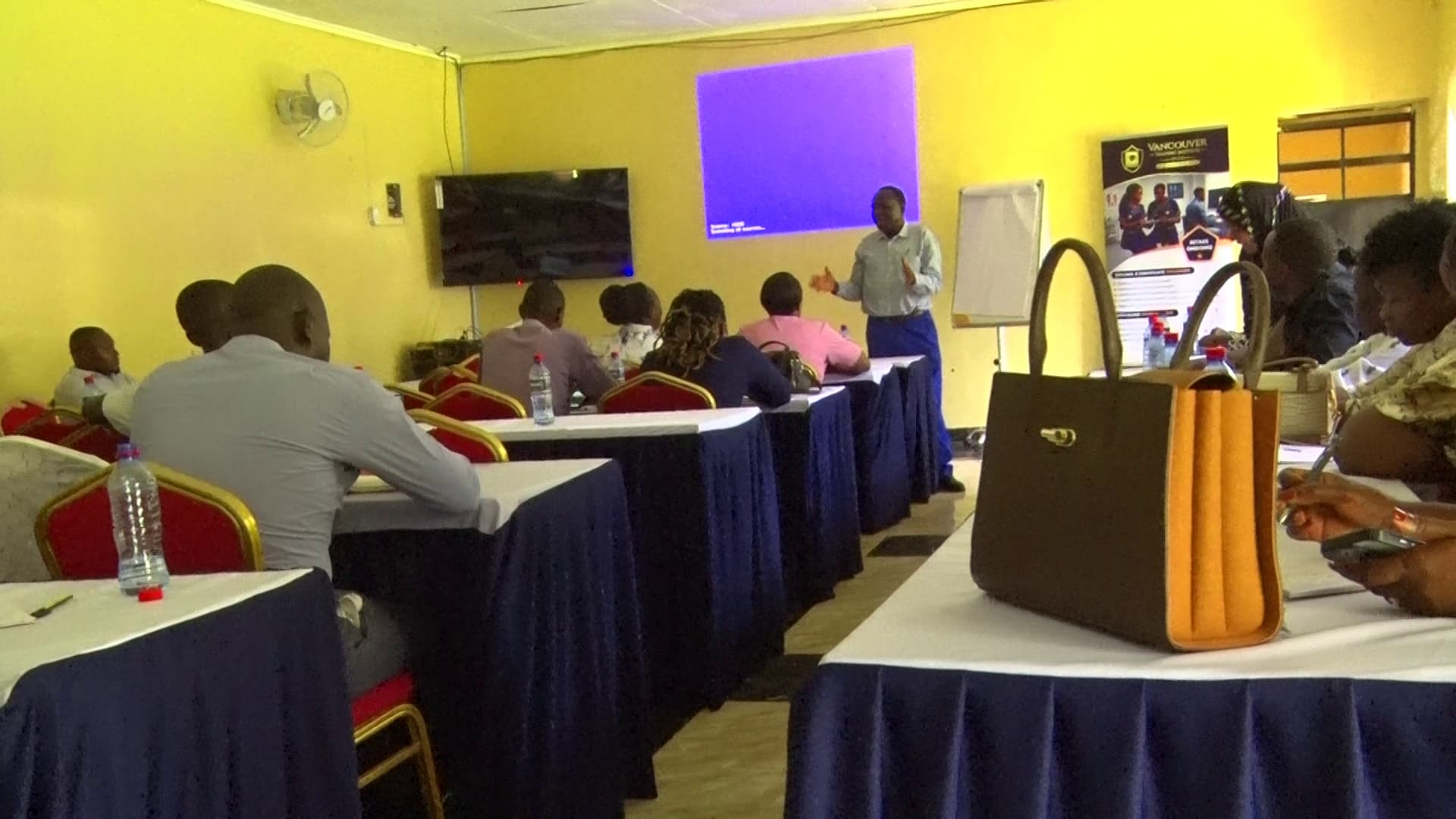
Speaking during a Chemosafe training workshop, the Migori County Non-Communicable Diseases and Cancer Coordinator, Dr. Paul Olik, urged local women to take immediate advantage of the screening initiative at the Migori County Referral Hospital (MCRH) to know their health status.
“If detected early, patients can be put under medication and heal completely from this killer disease,” stated Olik,
The official highlighted common early warning signs of breast cancer, such as lumps and skin discolouration, as the major symptoms that women should take note of.
He acknowledged environmental and lifestyle risks contributing to local cancer rates, including cell mutations, aflatoxins, agricultural pesticides and herbicides washing into local rivers, and heavy metal exposure from gold mining processes involving mercury and lead leaching.
The health official reinforced the need for early intervention across all demographics, noting that breast cancer is the most prevalent cancer globally but highly treatable when detected early.
Ms. Nuru Mabruk, a Clinical Oncologist from the Migori County Referral Hospital, emphasised that breast cancer is not strictly age-related, recommending ultrasounds for younger patients and mammograms for older women.
She confirmed that while the county government can provide screening, diagnosis, and chemotherapy, patients requiring radiotherapy must still be referred.
Meanwhile, Dr Jared Ndege, a reproductive health expert specialising in gynaecological cancers, called for stronger primary prevention and community-level awareness while advocating for a regional comprehensive cancer treatment centre to streamline care and eliminate fragmented treatment journeys for patients in the region.
by Beryl Akinyi and Iventer Anyango



Comments
No comments yet. Be the first to share your thoughts.